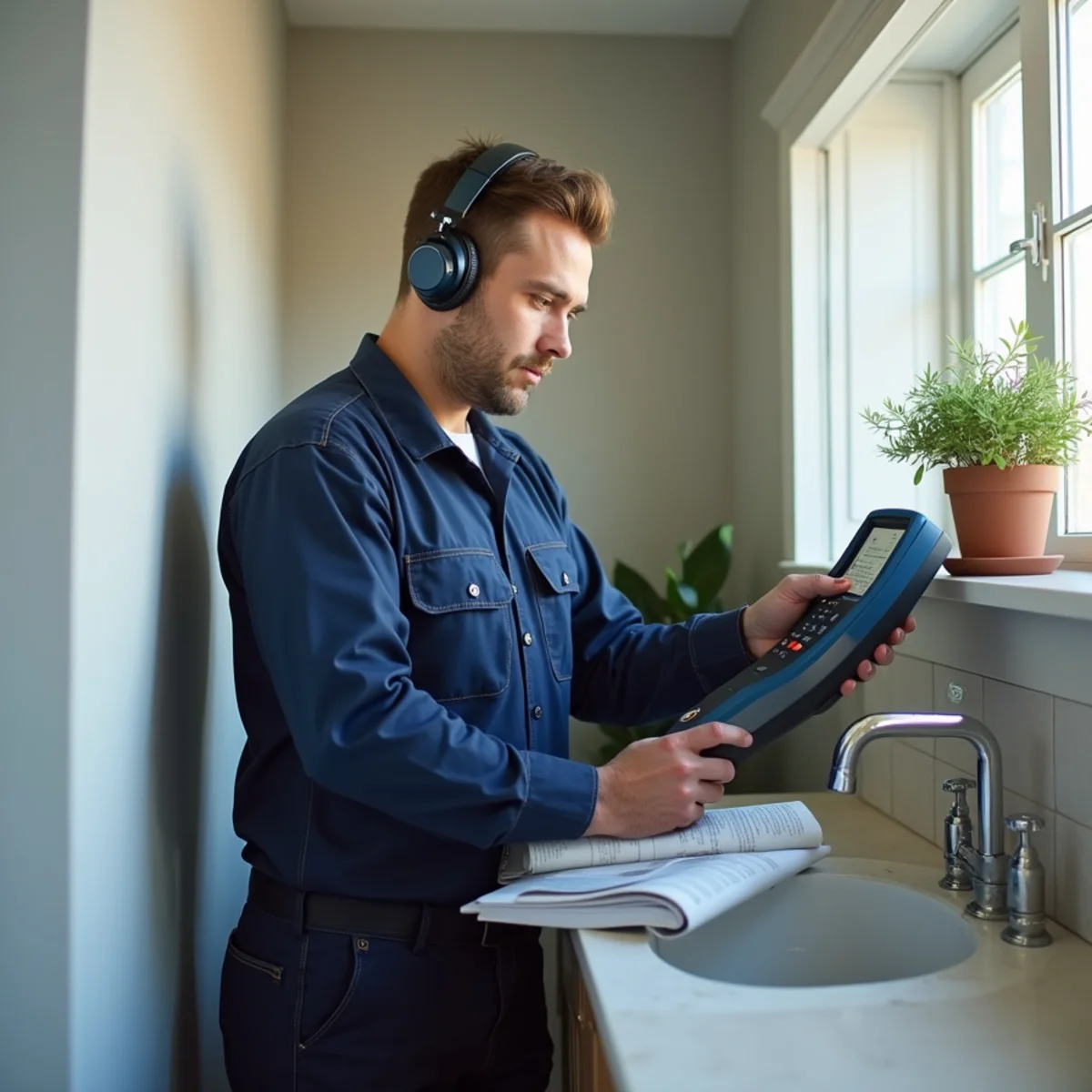
Leak Detection
Non-invasive leak detection that pinpoints hidden water leaks behind walls and under floors before they cause damage.
- Unexplained high bill
- Sound of running water
- Damp spots
El Dorado Hills Neighborhood
Lake Hills Estates is one of the older, established parts of El Dorado Hills, a lake-and-foothill neighborhood of larger, often sloped lots near Folsom Lake, with many homes taking in views of the water and the surrounding hills. Because the neighborhood has grown over many decades, homes here span a wide range of eras and sizes, and the plumbing does too: some houses have been repiped and remodeled, while others still carry a good deal of their original supply lines and fixtures. The larger, sometimes hilly lots also bring more outdoor plumbing than a compact suburban parcel.
Wedlisse Plumbers helps Lake Hills Estates homeowners manage both the indoor and outdoor sides of a home's water system. An irrigation-adjacent leak driving up a water bill, hard-water buildup on fixtures, an aging original pipe, or a leak that is hard to place on a sloped lot each call for a different approach, and we help pin down the cause and lay out sensible options. Because the update history varies so much from one home to the next, we look at the specific property rather than assume. Call (207) 419-2600 to get started.
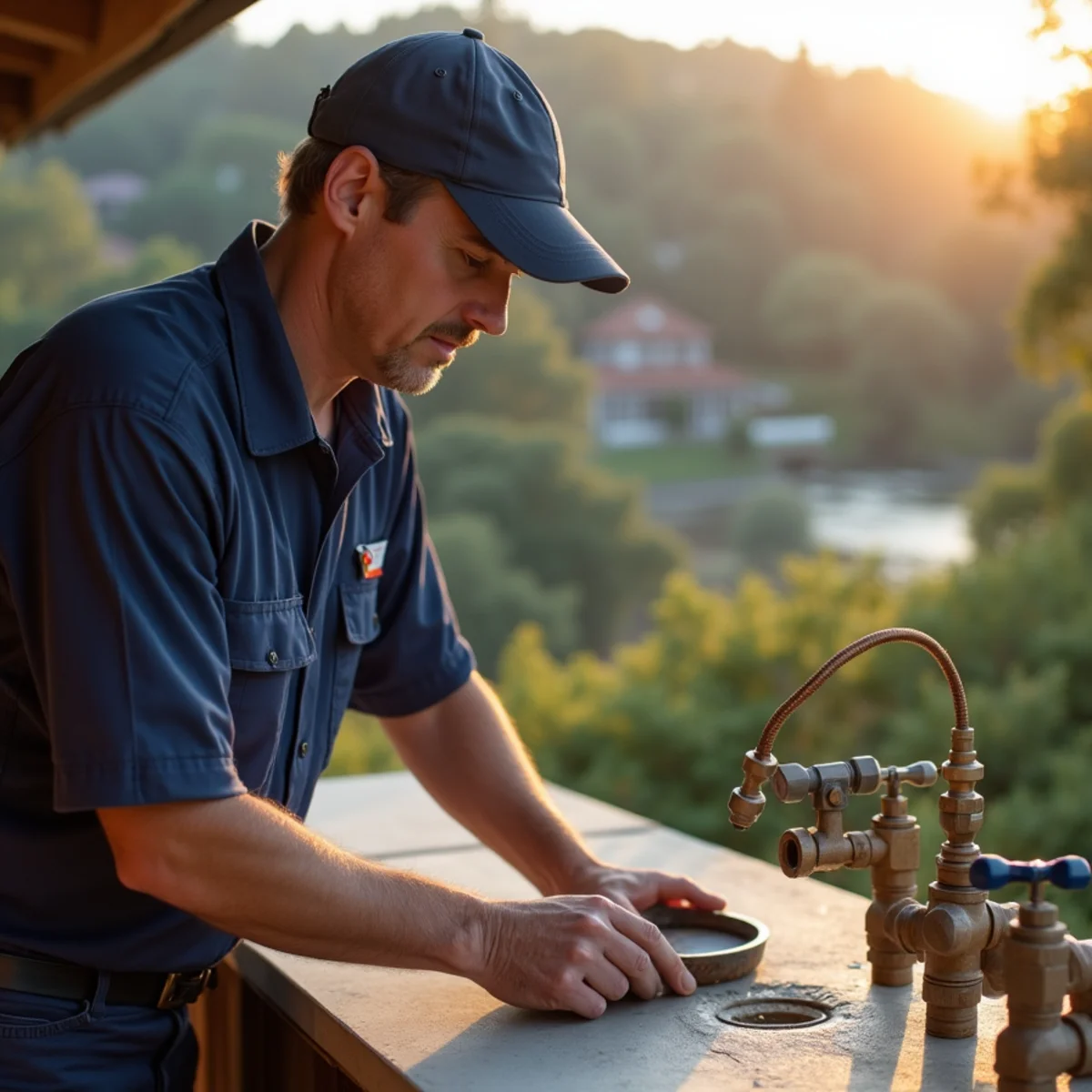
With larger lots and more landscaping, outdoor plumbing carries a bigger share of the water use in Lake Hills Estates. Hose bibs, backflow assemblies and the supply lines feeding an irrigation system can develop leaks that are easy to miss until a bill climbs or a wet spot appears away from the sprinklers.
We can help trace where outdoor water is going on the plumbing side and explain what a repair would involve, so a slow leak does not run for months across a big, sloped property. On a hilly lot, water from an outdoor line can also surface some distance downhill from the actual break, which is why tracing it matters.
In an established neighborhood like this one, some homes still carry older supply lines. Depending on the material, aging pipes can show up as reduced pressure, discolored water at first draw, or repeated small leaks. A professional inspection can determine the pipe condition and help weigh spot repairs against a larger repiping project for a home that keeps having trouble.
Because the update histories here vary so widely, we assess the specific home rather than assume, and explain what the plumbing is actually telling us. A home that was repiped years ago needs a very different conversation than one still on its original lines.
The neighborhood's long history means no single assumption fits every house here, and a home built in one decade and updated in another can carry two or three generations of plumbing at once. We trace which sections are original and which have already been replaced, so a recommendation reflects the parts that are actually giving trouble rather than the age shown on a listing or a public record.
On a bigger, hilly parcel, a slow leak in a supply line or beneath a slab can be harder to notice than in a compact home. A water heater that runs more than usual, a warm patch of floor, damp ground away from the sprinklers, or a meter that keeps moving with everything off can all be early clues.
Leak detection uses those signs, along with pressure checks and listening equipment, to narrow down where water is escaping before any digging or opening of walls, so a repair can be kept as targeted as possible and less of a sloped yard is disturbed than a blind dig would require.
Local water in the area tends to be moderately hard, which over time can scale fixtures and leave sediment in a water heater. On larger properties, some owners look at whole-house softening or filtration to protect plumbing and appliances.
An assessment can determine whether hard water is affecting a given home and, if so, which approach fits the household and its water use, since softening and filtration address different things and are not always both needed.
Non-invasive leak detection that pinpoints hidden water leaks behind walls and under floors before they cause damage.
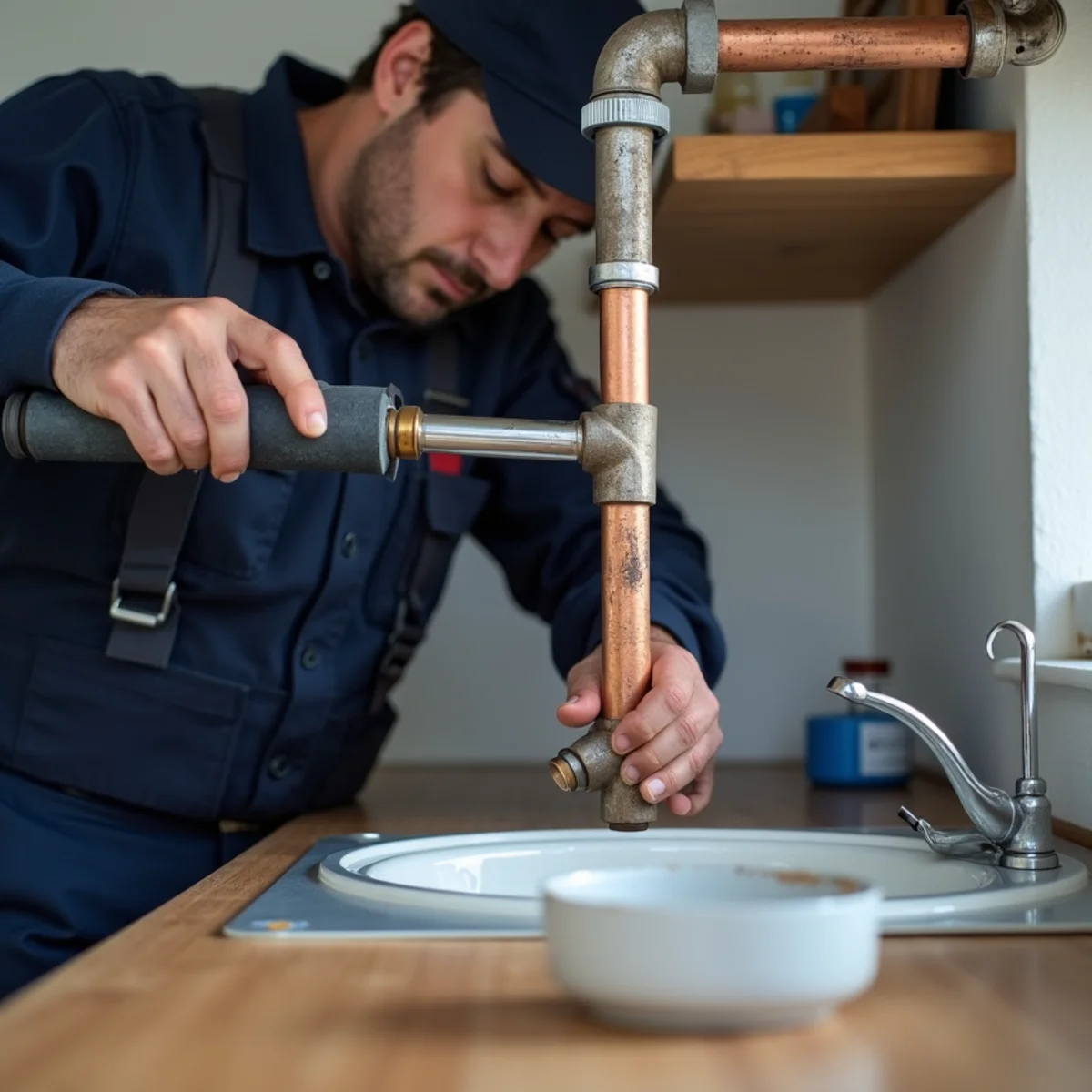
Targeted repair of corroded, cracked and leaking pipes, with straight advice on when a spot fix beats a repipe.

Clearing clogged sinks, tubs and main lines and pinpointing what caused the backup.
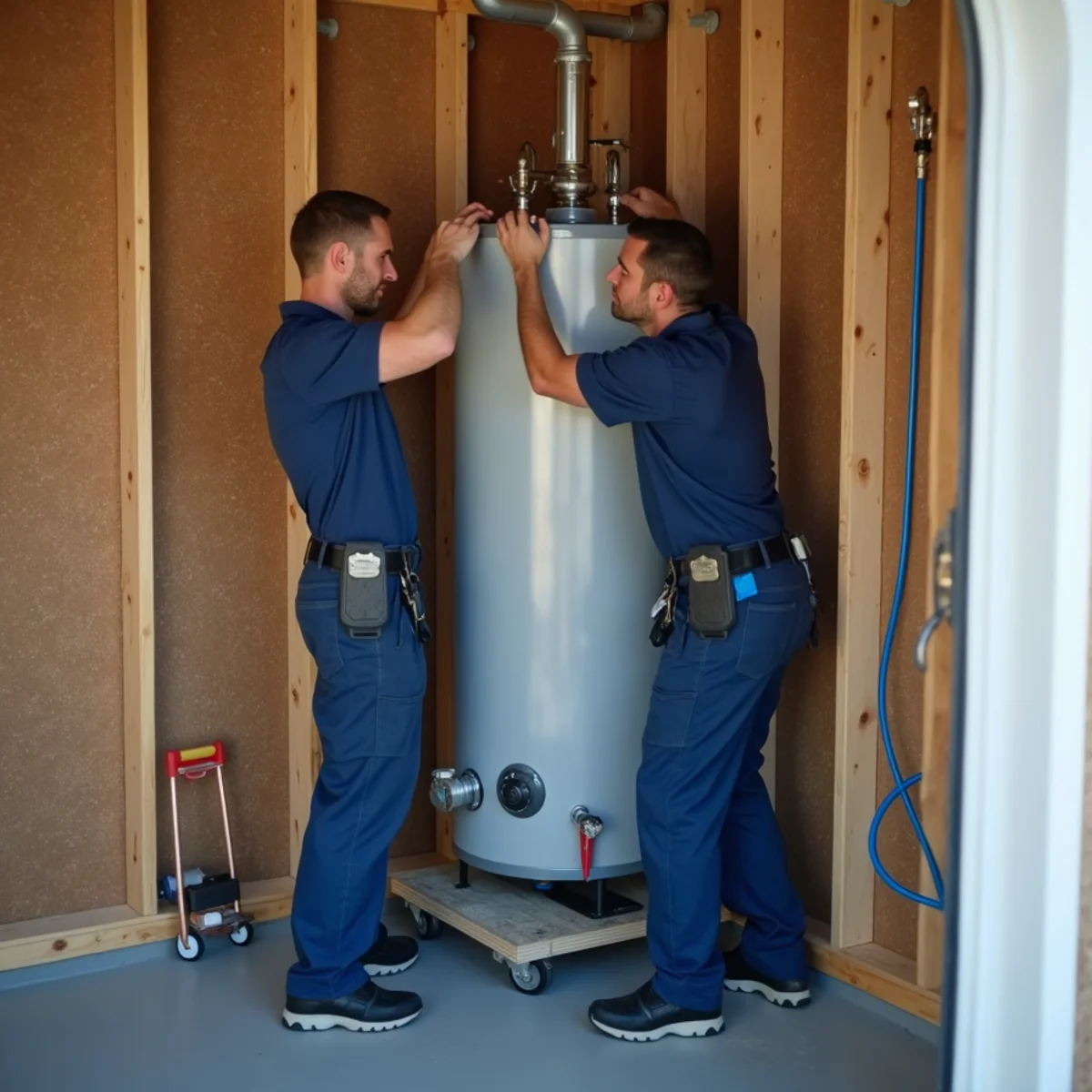
Properly sized, code-conscious tank water heater installation for El Dorado Hills homes, with venting, expansion tank and permit details handled for you.
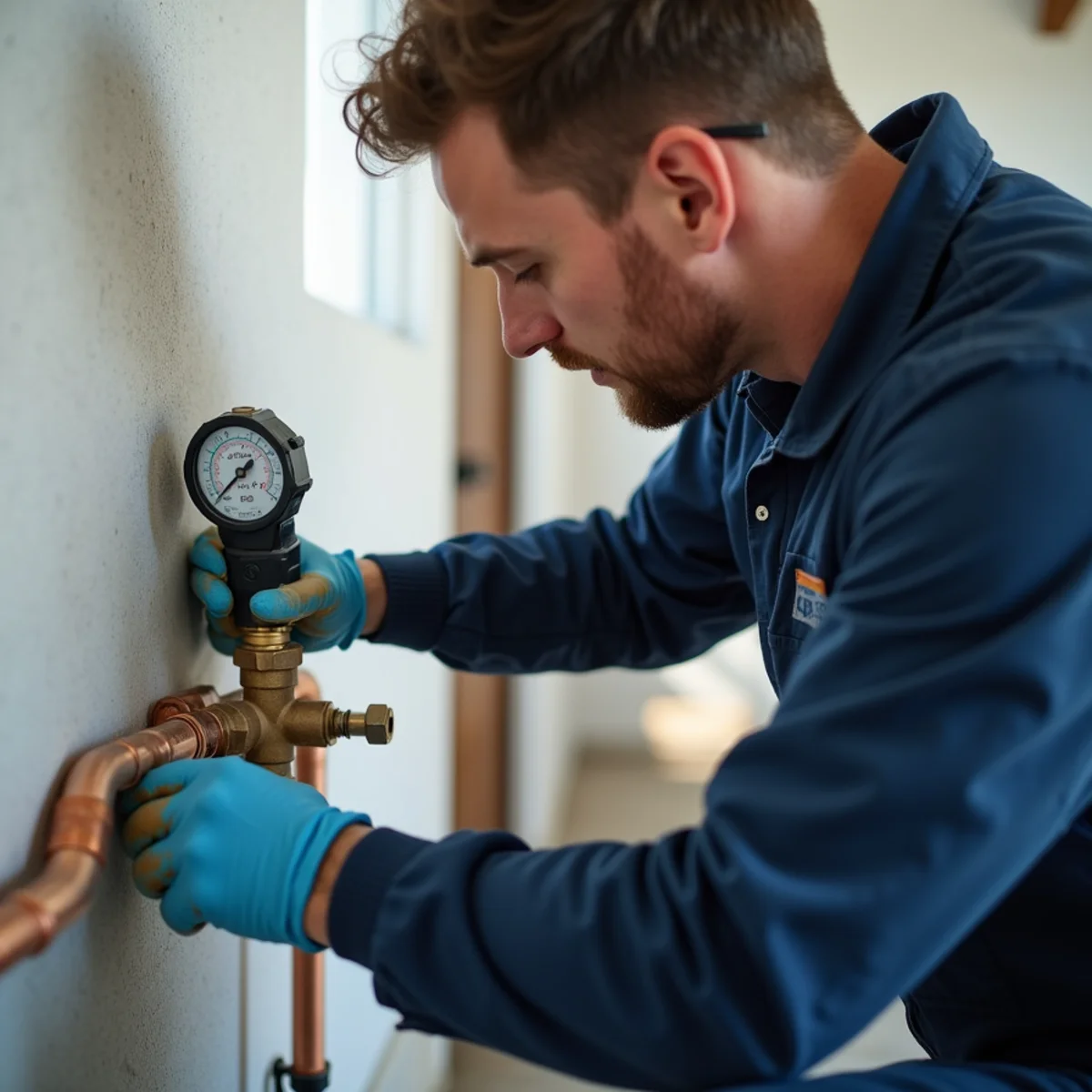
Diagnosis and repair for both weak and excessive water pressure, including pressure regulator service and replacement.
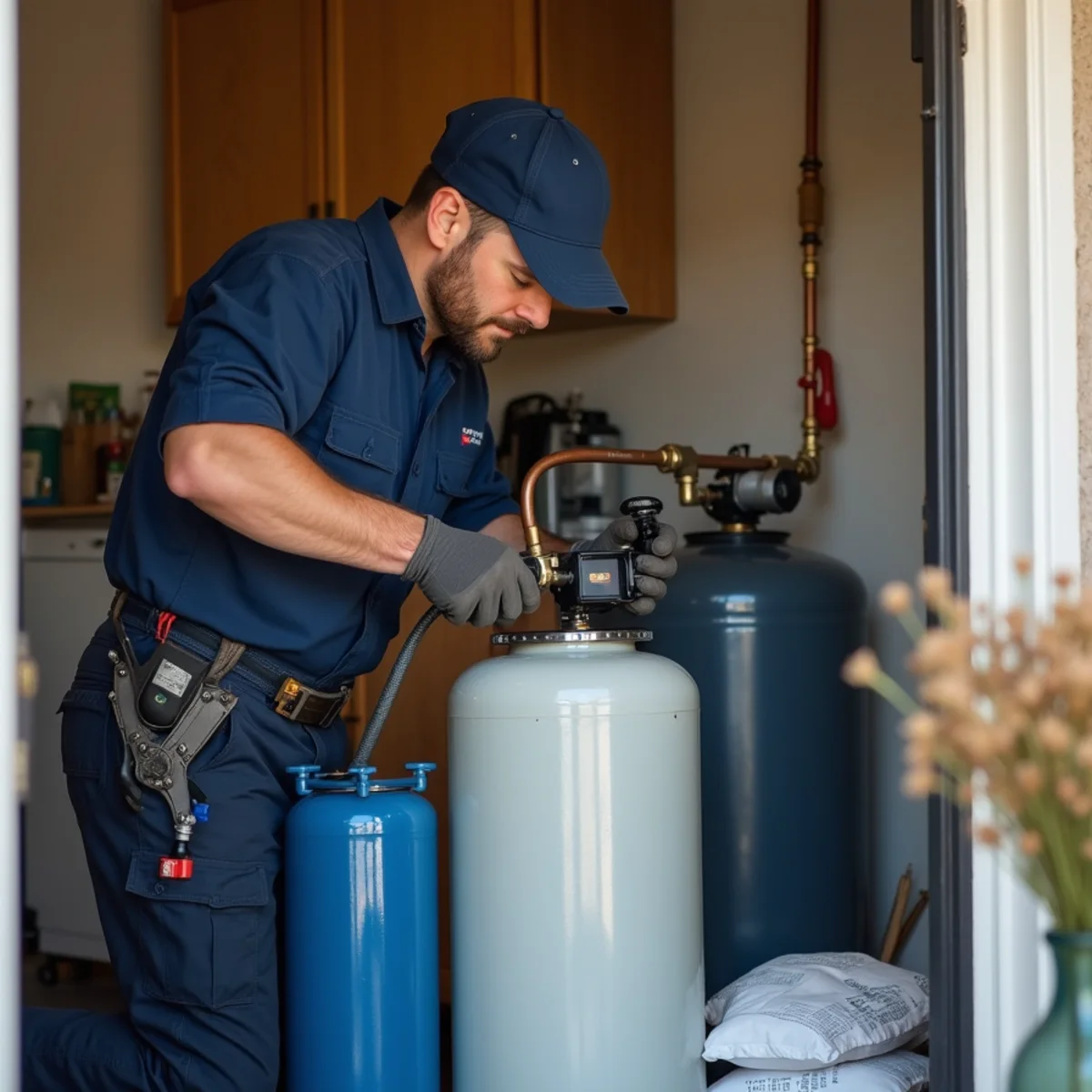
Installation and repair of water softeners to address hard-water buildup, with balanced options for your home.
Watch for water use that climbs without a clear reason, soggy spots away from sprinkler heads, or a hose bib that drips. We can help trace the plumbing side of the system and explain what a repair would involve.
It depends on the pipe material and condition. If you are seeing repeated leaks, low pressure or discolored water, an inspection can help you weigh spot repairs against a whole-house repipe for a home that keeps giving trouble.
We combine the signs you have noticed with pressure testing and listening equipment to narrow the location. The goal is to pinpoint where water is escaping before opening walls or slab, so any repair stays as targeted as possible.
It depends on your water and what you want to address. Softening targets hardness and scale, while filtration targets other concerns. An assessment can help determine what fits your household before you commit to equipment.
Larger lots often have more outdoor plumbing, longer runs and, on a slope, more places for a leak to hide. Periodic checks of outdoor connections and the water heater are worthwhile so small issues do not go unnoticed. Where a home sits downhill from its own irrigation, water from a hidden break can travel before it surfaces, which is another reason a periodic look is worthwhile.
We provide plumbing service to customers across Lake Hills Estates and nearby El Dorado Hills neighborhoods. If you are not sure whether we reach your address, call (207) 419-2600 and we can confirm.
Call for current service availability, or send a request and we'll follow up to schedule an assessment.