Water Quality
Water Softener Installation & Repair in El Dorado Hills, CA
Hard water is a common complaint across much of the El Dorado Hills area, and its effects show up in familiar ways: spotting on glassware, a chalky film on shower doors, white scale on faucets and shower heads, and appliances that seem to wear out sooner than they should. Hardness is caused by dissolved calcium and magnesium, and it is measured in grains per gallon, which a simple water test can reveal for your specific home.
A water softener uses ion exchange to reduce those hardness minerals, and it is the most established way to cut down on new scale. It is not the only path, though, and it is not the right fit for every household, so we start with what you are actually noticing rather than with a product. Some homes are well served by a traditional salt-based softener, while others prefer a salt-free conditioner or decide that periodic descaling is enough.
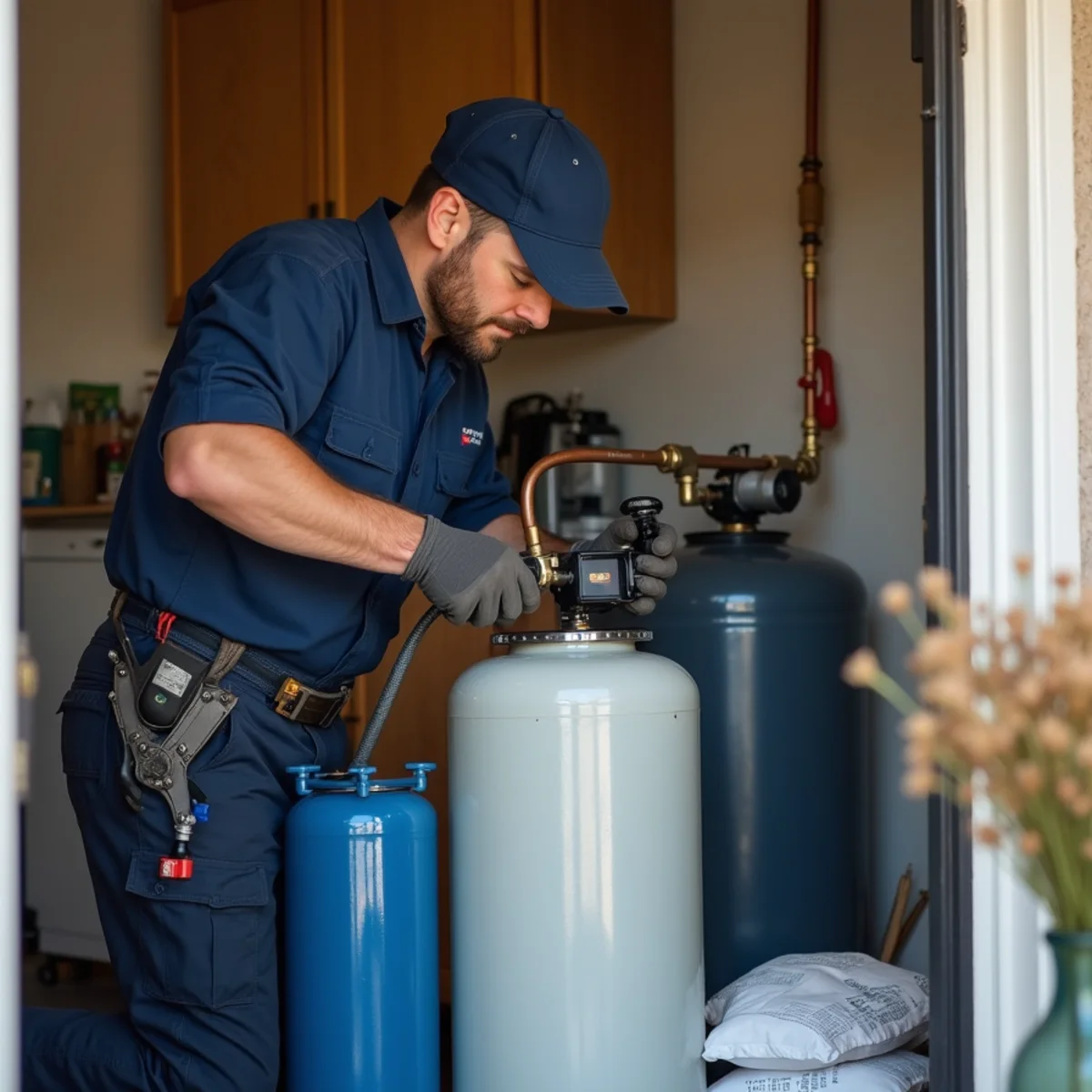
Wedlisse Plumbers installs and repairs softeners and helps you weigh the options honestly. We explain how a system works, what it can and cannot change, how it is sized to your household demand, and how it fits your plumbing and the space where the water enters the home. If a softener is not worth it for your situation, we will tell you.
- Residential & commercial service
- Clear service recommendations
- Respectful property protection
- Locally focused coverage
Signs You May Need Water Softeners
A few things homeowners often notice before calling us:
- Spots and a cloudy film on glasses, dishes and shower doors
- White scale building up on faucets, shower heads and tile
- Soap, shampoo and detergent that do not lather well
- Skin and hair that feel dry or filmy after washing
- Stiff, dull or scratchy laundry even with plenty of detergent
- Reduced flow or visible scale inside fixtures and appliances over time
- A water heater that rumbles or seems to lose efficiency as sediment builds
Common Causes
- Dissolved calcium and magnesium that make the water hard
- Mineral scale that deposits inside pipes, fixtures and water heaters
- Local groundwater and surface-supply characteristics in the foothills
- Higher hot-water use that concentrates scale in the water heater
- Aging plumbing where existing buildup compounds the problem
- Larger custom homes with high demand that moves a lot of hard water daily
How We Approach the Job
- 1
Review your water and goals
We talk through what you are noticing and, where helpful, a water test to gauge hardness before recommending anything.
- 2
Assess the install location
We look at where the water enters the home, drainage and power, and the space available in a garage or utility area.
- 3
Recommend a fit
We explain softener and alternative options, their upkeep and trade-offs, so you can choose what suits your household.
- 4
Install or repair
We install the system and verify operation, or service an existing unit that has stopped softening properly.
Your Options
New salt-based softener installation
A traditional ion-exchange softener uses salt to swap out the calcium and magnesium that cause hardness, and it is the most established approach for scale problems. We size the system to your household demand rather than installing a one-size unit, since an undersized softener regenerates too often and an oversized one wastes salt and water. It connects where the water enters the home, typically in a garage or utility space, and needs a drain and power nearby.
Salt-free conditioners and alternatives
Salt-free conditioners work differently. Rather than removing the minerals, they change how those minerals behave so they are less likely to stick as scale, which means no salt refills, no added sodium and no regeneration drain. They do not produce the classic slippery soft-water feel, and results vary by home and by water, so we are candid about what a conditioner does and does not do compared with a true softener.
Sizing for larger and higher-demand homes
Many homes in the area are larger and use a lot of water, which affects both the grain capacity and how often a softener regenerates. We factor in the number of people, typical usage and the measured hardness so the system keeps up without cycling constantly. For homes that also want filtration, we plan the order and placement of the equipment so the two work together.
Softener repair and service
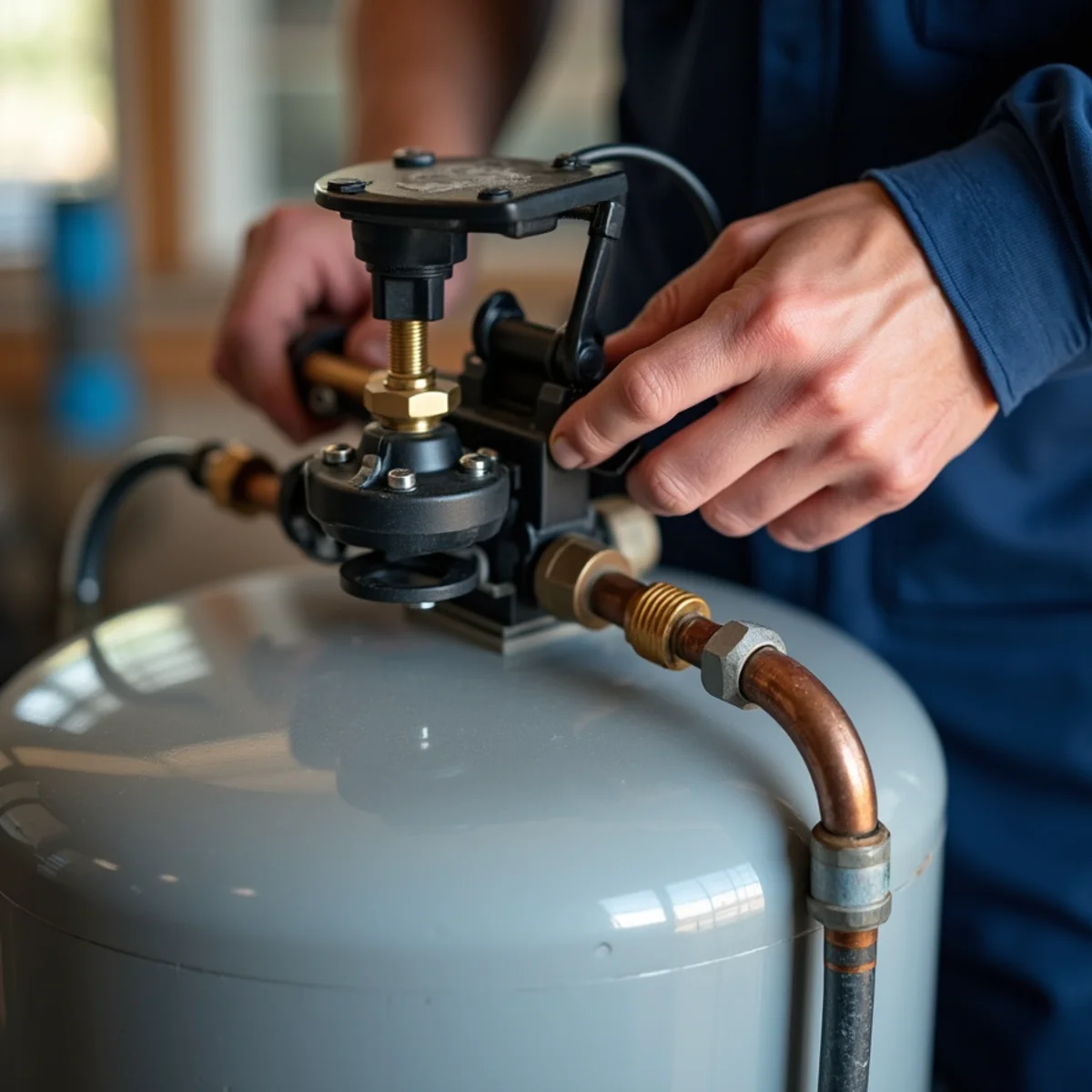
When an existing softener stops reducing hardness, the cause is often the control valve, a fouled or exhausted resin bed, a salt bridge in the brine tank or a settings issue rather than the whole system. We diagnose the unit and repair or adjust it when a repair is practical, and we are honest when an older system has reached the point where replacing it makes more sense than continuing to patch it.
Not sure what's wrong? Let's take a look.
Describe what's happening and we'll help you figure out the next step.
Benefits of Timely Service
- Less scale on fixtures, glassware, tile and shower doors
- Softer-feeling water for bathing and easier lathering
- Reduced mineral buildup inside plumbing and appliances over time
- A system sized to your household's actual water use
- Balanced guidance on salt-based and salt-free options
- Coordination with water-heater and filtration needs
Residential
- Whole-home softener installation
- Salt-free conditioner installation as an alternative
- Repair and servicing of existing softeners
- Resin, valve and brine-tank troubleshooting
- Sizing for larger custom homes with higher demand
- Coordination with water-heater and filtration work
Commercial
- Point-of-entry softening for small businesses
- Scale management for equipment fed by hard water
- Ongoing service for property managers
Hard water and your water heater
The water heater is often where hard water does its quietest damage. Minerals settle out as sediment in the bottom of a tank, where they can insulate the burner, cause rumbling and reduce efficiency over time, and scale collects inside fixtures and on heating elements. A softener can lessen new buildup going forward, though it will not remove deposits that have already formed. Pairing softening with periodic water-heater maintenance tends to protect the equipment better than either step alone.
Salt-based softener versus salt-free conditioner
The choice between a salt-based softener and a salt-free conditioner comes down to priorities. A salt-based system genuinely removes hardness minerals and delivers the soft-water feel many people want, but it adds a small amount of sodium, needs salt refills and uses a drain when it regenerates. A salt-free conditioner skips the salt, sodium and drain and is lower-maintenance, but it reduces scale rather than removing the minerals and does not soften the water in the traditional sense. We walk through the trade-offs so the decision fits how your household lives.
Points to weigh:
- Salt-based systems need salt refills and a regeneration drain
- Salt-based softening adds a small amount of sodium to the water
- Salt-free conditioners are lower-maintenance but do not remove minerals
- The soft slippery feel comes from a salt-based softener, not a conditioner
- Your measured hardness helps point toward the better fit
Why softening comes up so often in the foothills
Water hardness can differ from one property to the next across the foothills, since supply and groundwater characteristics vary with location and elevation. In many El Dorado Hills homes the water tends to fall in a range that leaves noticeable scale and spotting, which is why softening comes up so often here, but the only way to know your home's level is to measure it. A water test turns the guesswork into a number, and that number is what we use to decide whether a softener is worthwhile and how to size it.
Areas We Serve
Water Softener Installation & Repair for customers in El Dorado Hills and selected nearby communities:
Water Softeners FAQs
Common signs are spotting on glassware, white scale on fixtures, poor soap lather and laundry that feels stiff. A water test gives a clearer picture of how hard your water actually is, which helps size a system correctly.
Not every home does. It depends on how hard your water is and how much the effects bother you. Some households are fine with periodic descaling, while others prefer a softener to protect fixtures and appliances. We can help you weigh it without pushing a system you do not need.
A salt-based softener removes the minerals that cause hardness through ion exchange and requires salt and a drain. A salt-free conditioner changes how minerals behave to reduce scale without removing them. Results vary by home, and each has trade-offs in upkeep and effect.
A softener reduces new mineral buildup, but it does not dissolve deposits that have already formed inside pipes or a water heater. Over time, softer water can help slow further buildup. Existing scale may need separate attention depending on its severity.
Sizing depends on how many people live in the home, how much water you use and how hard the water measures in grains per gallon. An undersized unit regenerates too often, while an oversized one wastes salt and water. We size the system to your demand rather than installing a default model.
A salt-based softener needs periodic salt added to the brine tank and an occasional check for salt bridging, along with basic servicing of the control valve over the years. Salt-free conditioners need less routine attention. We can explain the upkeep for whichever system fits your home.
Need Water Softeners in El Dorado Hills?
Call for current service availability, or send a request and we'll follow up to schedule an assessment.
For an active leak or urgent plumbing concern, call for current service availability.