Water Heaters
Tankless Water Heaters in El Dorado Hills, CA
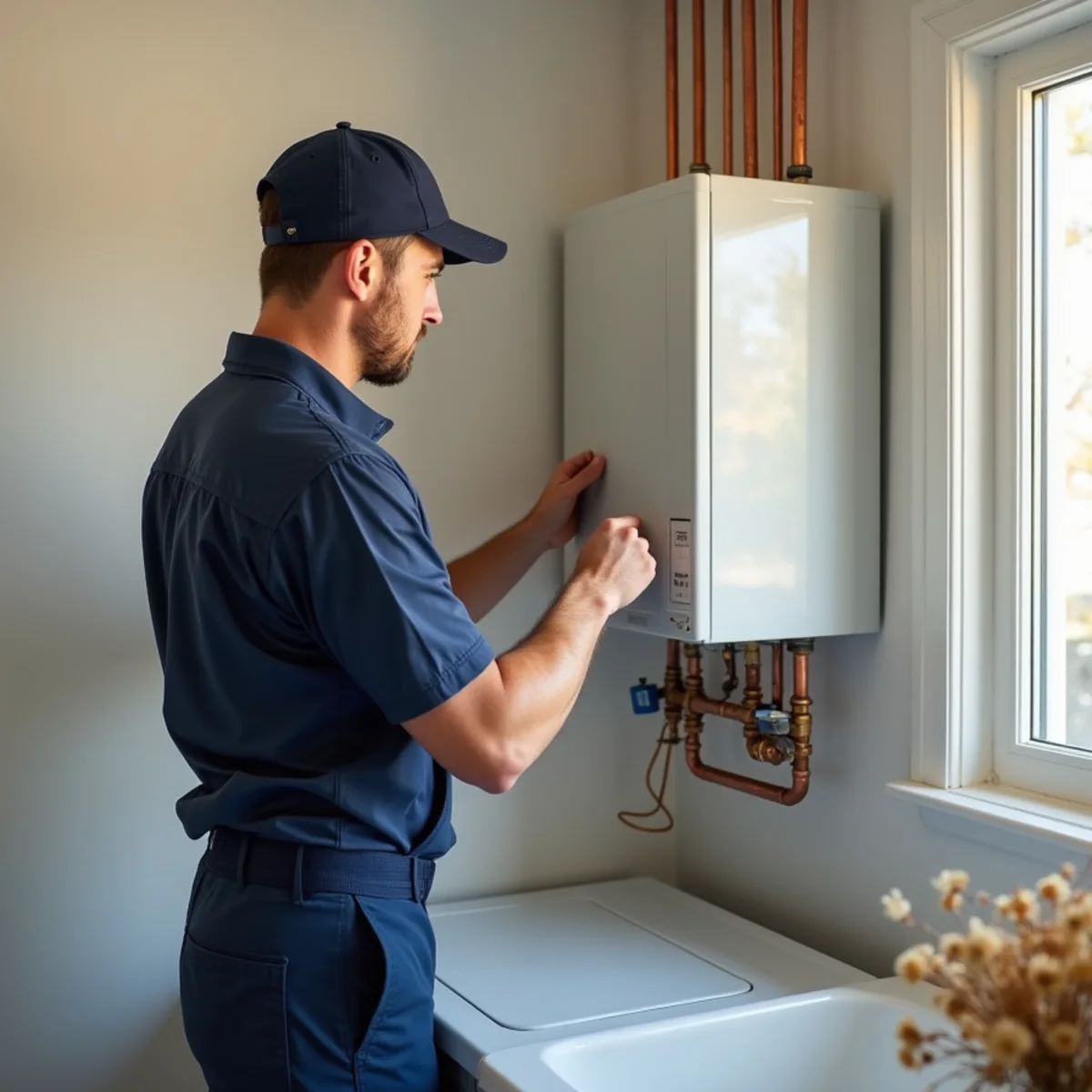
A tankless water heater warms water as it flows rather than storing it, so hot water keeps coming as long as the tap is open. For El Dorado Hills homeowners tired of running out mid-shower, or wanting to reclaim garage and closet space from a bulky tank, Wedlisse Plumbers can help decide whether tankless is a sound fit and set it up to run well here.
Going tankless is not simply a swap. A tankless unit is rated by how much water it can heat per minute rather than by gallons stored, so its performance depends on flow rate, incoming water temperature, and how many fixtures run at once. Gas supply, venting and, in some homes, an electrical connection all factor into the install, which is why sizing the system to your household is the part that matters most.
Hard water adds one more consideration. Mineral scale can build up inside a tankless heat exchanger over time, so periodic descaling — and in some homes a softener ahead of the unit — helps protect efficiency and extend its life. We weigh all of this with you honestly, because tankless is a strong choice for many households but is not automatically right for every home.
- Residential & commercial service
- Clear service recommendations
- Respectful property protection
- Locally focused coverage
Signs You May Need Tankless Heaters
A few things homeowners often notice before calling us:
- Hot water that runs out during back-to-back showers
- A large tank taking up valuable garage or closet space
- Interest in lower standby energy loss than a storage tank
- A growing household outpacing the current tank's capacity
- An older tank due for replacement and worth rethinking
- Frustration with waiting on a tank to reheat between uses
- A remodel or new build where space and layout are being planned
Common Causes
- Storage tanks reheat a fixed volume, so heavy use can outrun them
- Standby heat loss as a tank keeps stored water warm around the clock
- Limited tank capacity in homes with many simultaneous fixtures
- A desire to free up floor space by moving to a wall-mounted unit
- Mineral scale from hard water shortening the life of any heater
- Interest in a unit that, well maintained, may outlast a storage tank
How We Approach the Job
- 1
Talk through your goals
We ask how many fixtures run at once, whether space or endless hot water is the priority, and what fuel is available at the install location.
- 2
Check gas, venting and flow
Tankless units often need adequate gas supply and dedicated venting. We assess whether your home can support a unit sized for your peak demand.
- 3
Recommend a system
We suggest a unit and configuration — a single whole-home unit or multiple units for a larger custom home — and explain the trade-offs and maintenance.
- 4
Install and set up
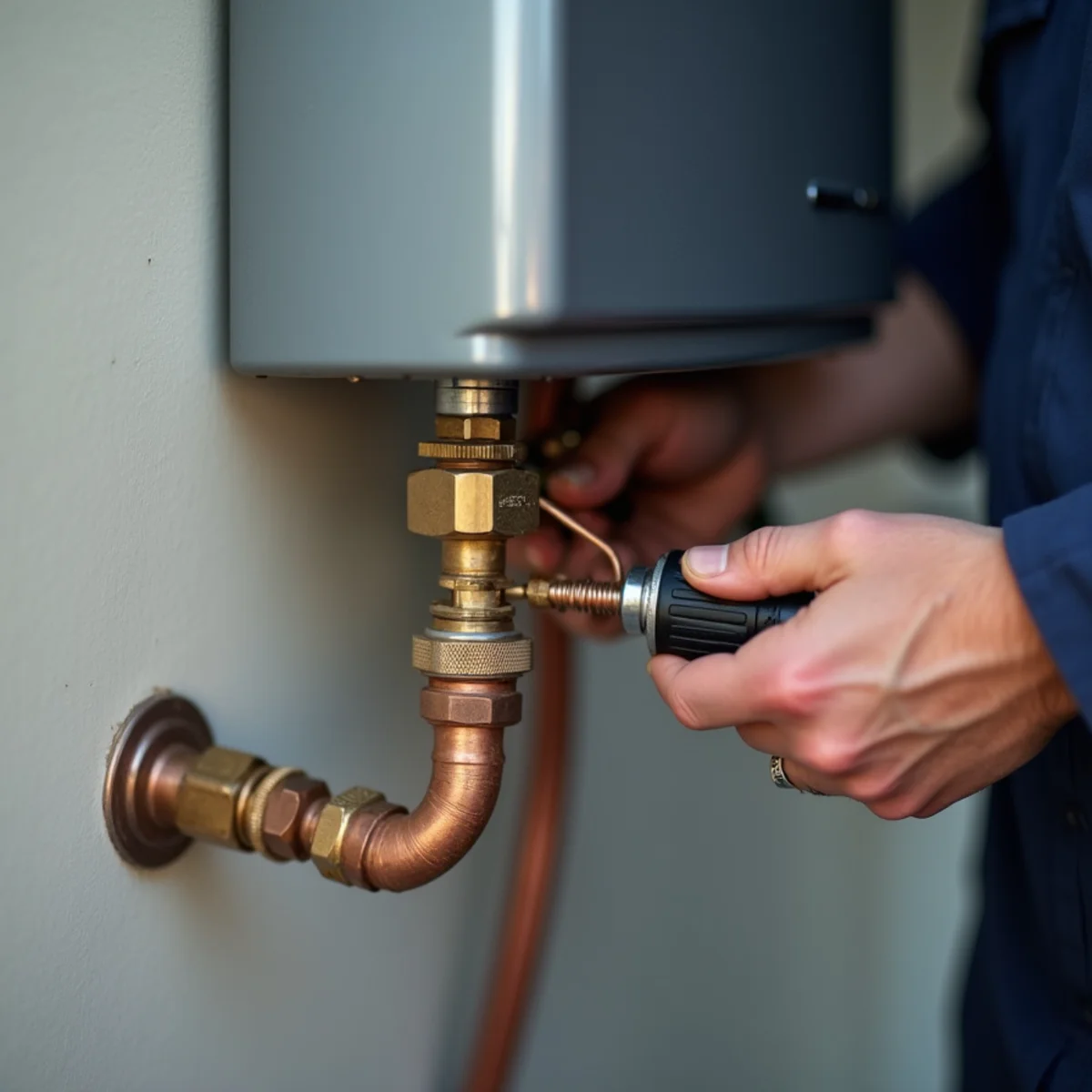
We mount and connect the unit, verify safe operation and flow, and review descaling so you get dependable performance over time.
Your Options
Sizing for flow, not gallons
Tankless capacity is measured by how much water it can heat per minute, so the key question is how many fixtures might run at the same time. Incoming water temperature matters too, since colder water in winter lowers the unit's usable flow rate. We add up your likely peak — showers plus a dishwasher or laundry, for instance — and size the system so it keeps up rather than falling behind on a busy morning.
One unit or multiple for larger homes
In a larger El Dorado Hills home with several bathrooms, a single unit may need to be generously sized, or two units may serve different zones so simultaneous demand does not outpace the system. We explain which approach fits your layout, since the goal is steady hot water in every part of the house, not just near the heater.
Space and efficiency gains
Because a tankless unit mounts on the wall and only fires when water flows, it frees up floor space and avoids the standby loss of keeping a full tank hot. Actual savings vary with usage and habits, but many homeowners value the endless hot water and reclaimed room as much as the efficiency itself.
Descaling and hard-water maintenance
Hard water is common in the Sierra foothills, and mineral scale can build up inside a tankless heat exchanger over time, restricting flow and reducing efficiency. Periodic descaling clears that scale, and installing isolation valves during the install makes future service simpler. Some homeowners also add a water softener ahead of the unit, which can lengthen the interval between descalings.
Not sure what's wrong? Let's take a look.
Describe what's happening and we'll help you figure out the next step.
Benefits of Timely Service
- On-demand hot water that does not run out mid-use
- Reclaimed floor space compared with a bulky tank
- Lower standby energy loss than a storage heater
- Configurations that can scale to larger, higher-demand homes
- A maintenance plan suited to local hard water
- A unit that, well maintained, may outlast a storage tank
Residential
- Whole-home tankless installation and tank-to-tankless conversions
- Multi-unit setups for larger custom homes
- Gas supply and venting assessment before install
- Isolation valves added for easier future service
- Descaling and flushing to manage hard-water scale
- Sizing guidance based on peak simultaneous demand
Commercial
- Point-of-use and whole-space tankless for small businesses
- Sizing for higher-demand light-commercial hot water
- Scheduled descaling to help sustain performance
- Coordination with owners on venting and gas requirements
Tankless versus a storage tank
Both approaches deliver hot water, but they behave differently, and the right one depends on your priorities. A storage tank can briefly deliver a high burst from its reserve, while a tankless unit provides a steady, continuous supply within its flow rating. Weighing the trade-offs before you buy avoids surprises later.
How they compare
- Hot water supply — continuous with tankless, limited to the reserve with a tank
- Space — wall-mounted tankless frees floor area a tank occupies
- Standby loss — tankless avoids reheating stored water around the clock
- Upfront work — a conversion can involve gas and venting upgrades
- Maintenance — tankless benefits from periodic descaling in hard water
What affects the cost of going tankless
A tank-to-tankless conversion often costs more up front than a straight tank replacement, and several factors drive that difference. Knowing them helps you judge whether the investment fits your home and how long you plan to stay.
Factors that shape the project
- Whether the gas supply line needs to be upsized
- New venting routes required for a tankless unit
- A single generously sized unit versus multiple units
- Any electrical connection needed for the controls
- Adding a softener or isolation valves for hard-water maintenance
- Permit requirements for the jurisdiction and scope
Is tankless right for your El Dorado Hills home?
Tankless works well for many households, but it is not automatically the right choice for every home. Gas capacity, venting routes, hard water, and the cost of converting from an existing tank all play a role. A professional assessment can determine whether the layout, demand and utilities of your home make tankless a sound investment, or whether an efficient storage tank is the better value for your situation.
Areas We Serve
Tankless Water Heaters for customers in El Dorado Hills and selected nearby communities:
Tankless Heaters FAQs
A properly sized unit heats water continuously as it flows, so you will not run out the way a tank can. The limit is flow rate rather than volume, which is why sizing for how many fixtures run at once is so important.
In hard-water areas like much of the foothills, periodic descaling helps clear mineral scale from the heat exchanger. Some homeowners also add a water softener ahead of the unit, which can reduce how often descaling is needed.
Sometimes, if it is sized generously, but larger homes with several bathrooms may benefit from a higher-capacity unit or two units serving different areas. We estimate your peak simultaneous demand to recommend a configuration that keeps up.
Conversions can involve upgrades to gas supply and venting, so the upfront cost is often higher than a straight tank replacement. Whether it pays off depends on your usage, space priorities and how long you plan to stay in the home.
Most gas tankless units rely on electronic controls, so they generally will not produce hot water when the power is out. If outages are a concern in your area, that is worth weighing as we compare options for your home.
With regular descaling and reasonable water conditions, many tankless units last longer than a typical storage tank. Hard water without maintenance can shorten that, which is why we set the unit up for easy servicing from the start.
Need Tankless Heaters in El Dorado Hills?
Call for current service availability, or send a request and we'll follow up to schedule an assessment.
For an active leak or urgent plumbing concern, call for current service availability.