
How Often Should a Water Heater Be Flushed?
Flushing a water heater is one of the simplest forms of maintenance, and one of the most overlooked. Many homeowners never flush their tank at all, and only think about it when a problem appears.
This guide explains why flushing matters, how often it is generally recommended, and how the harder water found in many El Dorado Hills homes can change that schedule. It also covers what flushing involves, how long it takes, the related task of checking the anode rod, and when it makes sense to call a professional.
The goal is to help you set a maintenance rhythm that fits your water and your unit, rather than relying on a one-size-fits-all rule.
Why flushing matters
Over time, minerals in the water settle at the bottom of a storage tank as sediment. Flushing drains that sediment out before it builds into a thick layer. Left in place, sediment can reduce efficiency, lower the amount of usable hot water, and contribute to the rumbling sounds many aging tanks make.
There is a comfort angle too. As sediment displaces water and insulates the heating source, many homes notice they get less hot water than they used to, or that it takes longer to recover between uses. Clearing the sediment can restore some of that lost capacity.
Regular flushing will not make a tank last forever, but it may help it reach the upper end of its expected life rather than the lower end. Think of it as clearing out what naturally accumulates.
How often is generally recommended
A common general recommendation is to flush a storage tank water heater about once a year. That interval suits many homes reasonably well, but it is a starting point rather than a fixed rule.
Homes with harder water may benefit from flushing more often, sometimes every six to nine months, while homes with softened or naturally soft water may be able to go longer between flushes. Manufacturer guidance for your specific unit should take priority, since some makers offer their own recommendations.
- Once a year is a reasonable default for many homes
- Harder water may call for a more frequent schedule
- Check your manufacturer's guidance for your specific model
How water hardness changes the interval
Water in many parts of the El Dorado Hills area can be on the harder side, meaning it carries more dissolved minerals. In harder water, sediment tends to accumulate faster, so a once-a-year flush may not be frequent enough for every home.
If you have hard water and have never flushed your tank, there may already be a meaningful layer of sediment. Some homeowners in harder-water areas flush more often, or install a water softener to slow the buildup. A professional can assess your water and your tank and suggest an interval that fits, rather than a generic figure.
Signs your tank may be due for a flush
None of these guarantees a sediment problem on its own, but together they suggest a flush, or at least an inspection, is worth scheduling.
- Rumbling, popping, or knocking sounds during heating
- Less hot water than the tank used to provide
- Cloudy or sediment-flecked hot water
- A tank that has not been flushed in more than a year, or ever
- Rising energy use with no other clear explanation
What flushing involves
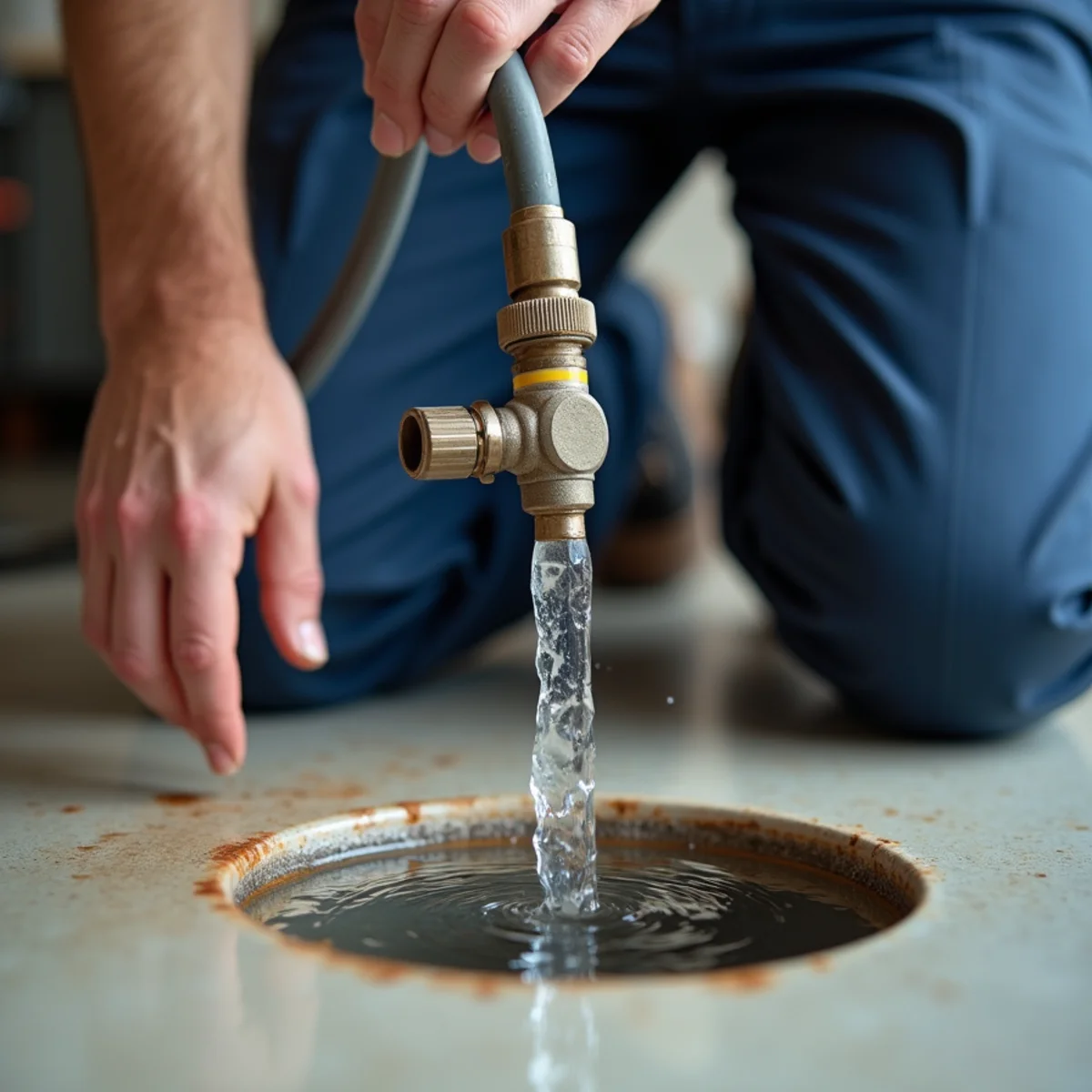
At a high level, flushing a tank means shutting off the heat source, connecting a hose to the drain valve, and draining the tank so sediment flows out with the water. Cold water is then run through to help carry out remaining debris before the tank is refilled and the heat restored.
The details matter, though. The water inside is hot, the gas or electric supply has to be handled correctly, and a drain valve clogged with hardened sediment can leak once disturbed. Following the manufacturer's steps carefully is important if you do it yourself.
- Turn off the gas or electric supply to the unit
- Shut off the cold water inlet
- Connect a hose to the drain valve and route it to a safe drain
- Open the valve and let the tank drain, then flush with cold water
- Close up, refill fully, and restore the heat source
How long it takes and what to expect
A routine flush on a tank that has been maintained is often a fairly quick job, though the exact time depends on the tank size, how much sediment is present, and how fast it drains and refills. A neglected tank with heavy buildup can take longer, since the sediment drains slowly and may need extra rinsing.
The water that comes out is a useful clue. Early on it may run cloudy or carry grit and small mineral flakes; a good result is water that gradually runs clearer. If it stays heavily discolored, or if the drain valve barely flows, the buildup may be significant enough to warrant professional attention. After refilling, it is normal for taps to sputter with trapped air for a short while before flow settles.
Do not forget the anode rod
Flushing removes sediment, but it is not the only water heater maintenance worth knowing about. Most storage tanks contain a sacrificial anode rod, a metal rod designed to corrode in place of the steel tank. Over years it wears away, and once it is spent the tank itself becomes more vulnerable to corrosion.
Checking the anode rod every few years, and replacing it when it is worn, is a low-cost way to help a tank reach the upper end of its life. It is a natural task to pair with a flush, and a plumber can inspect it while servicing the unit. In harder water the rod may wear faster, so it is worth keeping on your radar. Some manufacturers offer their own guidance on how often to inspect it, which is a good reference point if you still have the paperwork for your unit.
Tankless units need descaling, not flushing
Tankless water heaters do not store water, so they are not flushed in the same way. Instead they are descaled: a solution is circulated through the unit to dissolve mineral scale from the heat exchanger. In harder water, this is an important part of tankless maintenance and is often done on a similar yearly rhythm.
Descaling frequency depends on both the manufacturer's guidance and your water. In harder water, some homeowners descale more than once a year, while softer water may allow a longer interval. If you have installed a softener or scale-reduction device ahead of the unit, scaling tends to slow down, which can stretch the interval. A professional can perform the service and confirm what suits your water.
Doing it yourself versus calling a professional
Flushing is achievable for a comfortable, experienced homeowner who follows the manufacturer's instructions. That said, there are good reasons to bring in a plumber.
- The tank has never been flushed and may hold heavy sediment
- The drain valve is stuck, clogged, or begins to leak
- You are not comfortable working around gas, hot water, or electrical connections
- You would like the unit inspected and the anode rod checked at the same time
Combining maintenance with a checkup
A professional can flush or descale the unit, check the anode rod, and look for other issues while they are there, which is a practical way to combine maintenance with a quick health check. Catching a worn anode rod or an early sign of corrosion during a routine visit is far easier than dealing with a failure later.
Need a plumber in El Dorado Hills?
Wedlisse Plumbers helps homeowners across El Dorado Hills and nearby communities. Call or request service any time.
Frequently asked questions
About once a year is a reasonable default for many homes, but harder water may call for flushing every six to nine months. Your manufacturer's guidance for the specific unit should take priority.
Sediment can build into a thick layer that reduces efficiency, lowers usable hot water, and contributes to rumbling. It will not necessarily cause immediate failure, but it can shorten the unit's useful life.
A routine flush on a well-maintained tank is often fairly quick, though the time depends on tank size, how much sediment is present, and how fast it drains and refills. A neglected tank with heavy buildup can take considerably longer.
It can, though not usually. On a very old tank, hardened sediment may have been sealing a weak drain valve or a corroded spot, so disturbing it can reveal a leak. If that is a concern, having a plumber do the first flush is a safer way to handle it.
Tankless units are descaled rather than flushed. A solution is circulated to clear mineral scale from the heat exchanger. In harder water this is important and is often done yearly, per the manufacturer's guidance.
An experienced homeowner can, by following the manufacturer's steps carefully. If the tank has never been flushed, the drain valve is stuck, or you are not comfortable around gas and hot water, a plumber can handle it safely.
Related articles

Why Is My Water Heater Making a Rumbling Sound?
A rumbling, popping, or knocking water heater usually points to sediment. Here is what the noise means, why it matters, and what to do about it.
Water Heater Repair or Replacement: How to Decide
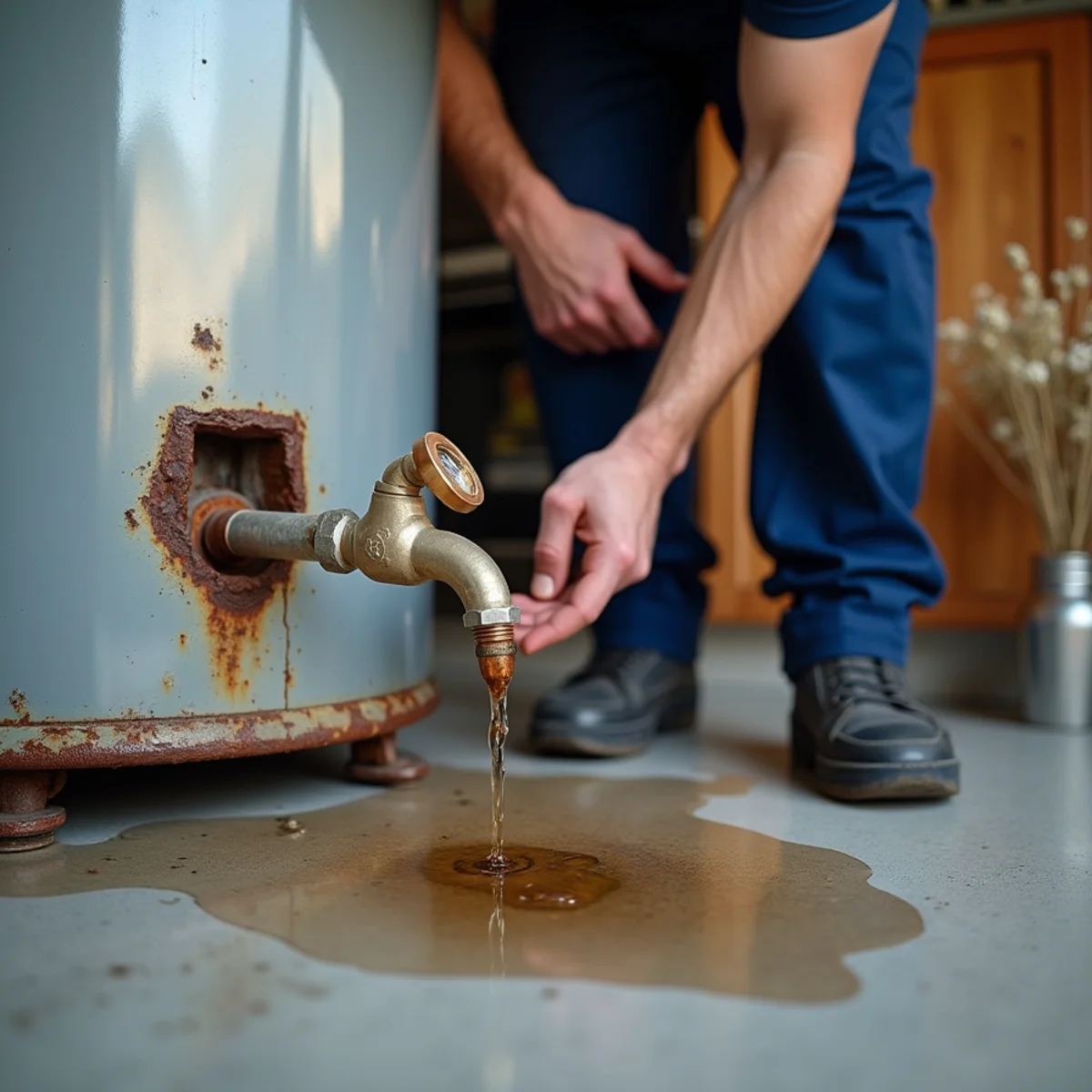
A cold shower or a puddle by the tank raises the same question: repair or replace? Here is how age, cost, and the type of failure help you decide.
Common Signs of Hard Water in a Home
Spotty dishes, filmy glass, and stiff laundry can all point to hard water. Here is how to recognize the signs and what to do once you know.