
Water Heater Repair or Replacement: How to Decide
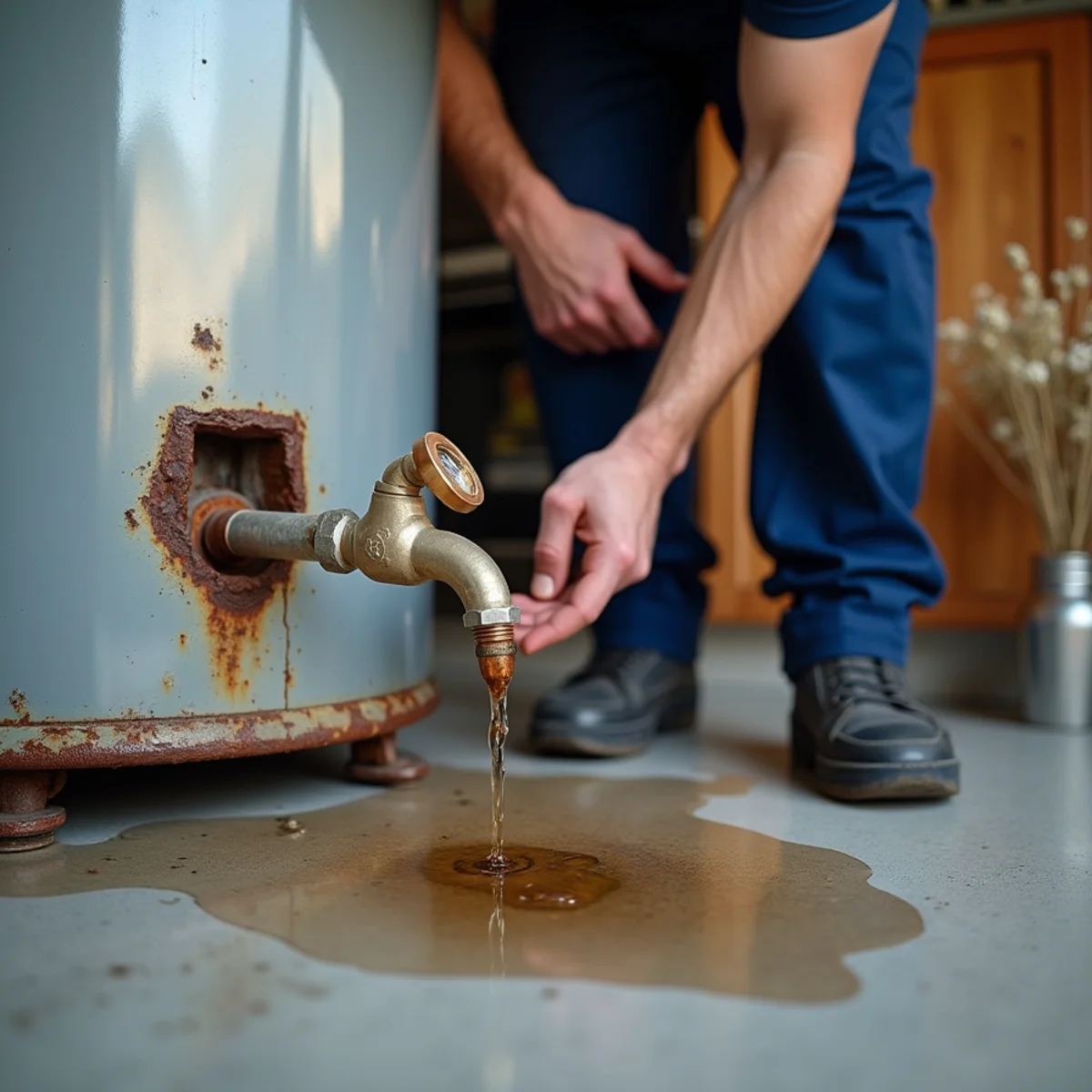
A water heater rarely fails at a convenient time. It usually announces itself with a cold shower, a puddle on the garage floor, or a slow decline in how much hot water the household gets. When that happens, the question is almost always the same: is this worth repairing, or is it time for a new unit?
There is no single answer that fits every home. The right call depends on the age of the unit, what has actually gone wrong, and how the tank has been maintained over the years. A minor part on a newer unit is a very different situation from a failing tank that is already past its expected life, even when the symptom looks the same from the outside.
This guide walks through the factors that tend to matter most, so you can make an informed decision rather than a rushed one. We will cover how age factors in, which problems usually lean toward a simple repair, which ones point toward replacement, how to weigh the cost, what actually drives a replacement price, whether it is worth changing type or size, and how the harder water common in many El Dorado Hills homes can quietly shorten a tank's useful life.
Start with the age of the unit
Age is often the single most useful piece of information. A traditional tank water heater commonly lasts somewhere in the range of 8 to 12 years, though the exact figure varies with water quality, maintenance, and the model. Tankless units may last longer, sometimes 15 to 20 years, when they are serviced regularly.
You can usually estimate the age from the serial number on the manufacturer's label. Many brands encode the month and year of manufacture in the first few characters, though the format differs by maker. If the sticker is unreadable, a plumber can often help you decode it or estimate the age from the installation date.
It is also worth noting whether the unit is still under warranty, since that can change the math on a repair. A tank in the last year or two of its expected life is a reasonable candidate for replacement even when the current problem is small, simply because another failure may not be far behind.
- Under 6 years old: repair is often the more sensible route if the problem is fixable
- Roughly 8 to 12 years: weigh the repair cost against the remaining life
- Past its expected lifespan: replacement usually deserves serious consideration
Problems that usually lean toward repair
Not every water heater issue means the unit is finished. Several common failures involve parts that can be replaced without touching the tank itself, and on a reasonably young unit these are often worth fixing.
Thermostat or heating element (electric)
On electric models, a failed heating element or thermostat can cause lukewarm water, no hot water, or water that runs out quickly. These are serviceable parts, and replacing one is usually far less involved than a full replacement. A unit with two elements can even lose one and still produce some hot water, which is a useful clue to the cause.
Thermocouple, igniter, or gas valve (gas)
On gas units, a pilot that will not stay lit is frequently traced to a thermocouple or igniter. A burner that struggles can point to a gas valve or a dirty burner assembly. These are common, replaceable components rather than a reason to retire the tank.
Valves and fittings
A leaking drain valve, a failed temperature-and-pressure relief valve, or a loose connection can often be repaired. A drip from a fitting is not the same as a leak from the tank body, so it is worth confirming exactly where the water is coming from before assuming the worst.
Anode rod
The sacrificial anode rod protects the tank from corrosion and wears out over time. Replacing a spent anode rod on an otherwise sound tank is a maintenance item, not a replacement trigger, and it may help the tank last longer.
Signs that point toward replacement
Some symptoms suggest the tank has reached the end of its service life rather than a single failed part. When several of these appear together, replacement usually becomes the more practical path.
- Water pooling under the tank, which can indicate the inner tank has corroded through
- Rusty or discolored hot water that clears when you switch to cold, hinting at internal corrosion
- Repeated repairs in a short span, where the cost adds up quickly
- A tank well past its expected lifespan that is beginning to show problems
- Loud rumbling or popping that persists even after a flush, often from heavy sediment
- Energy bills creeping up with no other explanation, as an aging or sediment-laden tank works harder
A leak from the tank body is different
A leak from the body of the tank is generally not repairable. Once the steel tank corrodes through, replacement is typically the only lasting fix. If you see water coming from the tank itself rather than a valve or connection, it is wise to plan for a new unit and, in the meantime, to know where your shutoff is.
Weighing the cost of a repair
A useful rule of thumb many homeowners use is to compare the repair cost against the age and replacement cost of the unit. One common version, sometimes called the 50 percent rule, is that when a repair approaches roughly half the price of a new water heater, and the existing unit is already older, replacement often makes more financial sense over time.
Efficiency belongs in the calculation too. A newer water heater may use less energy than a decade-old model, which can offset part of the replacement cost gradually. Newer units also tend to come with a fresh warranty, which has value once the old one has expired. None of this makes replacement automatically correct on a young unit with a minor fault, but it tilts the decision as the unit ages.
It also helps to think in terms of total cost over the next few years rather than the price of a single repair today. A cheap fix on a tank that then fails again in a season may cost more, once you add the second visit and any water damage, than a replacement would have. A local plumber can give you a specific estimate for both paths so you are comparing real numbers rather than guesses.
What actually drives a replacement price
Replacement is not a single flat figure, and understanding what goes into it makes an estimate easier to read. Rather than quote dollar amounts, it helps to know the factors a plumber weighs when pricing the job.
- The type and size of the new unit, since capacity and efficiency both affect price
- Whether you keep the same fuel and location or switch types, which can add gas, venting, or electrical work
- Code updates a new installation may need to meet, such as the seismic strapping required in California, a drain pan, or an expansion tank
- Removal and disposal of the old unit
- Any corroded fittings, shutoff valves, or connectors that should be replaced at the same time
- Labor and permitting for your specific installation
Why the estimate can differ from a neighbor's
Two homes on the same street can receive different quotes because the surrounding conditions differ. An older install may need connections, valves, or venting brought up to current code, while a newer one may be a straightforward swap. Asking a plumber to itemize the estimate helps you see which parts are the unit itself and which are the surrounding work.
What a professional assessment can tell you
If the choice is not obvious, an inspection can settle it. A plumber can look beyond the immediate symptom and give you a fuller picture of the unit's condition.
- Whether the leak is from the tank body or a repairable valve or fitting
- How much sediment has accumulated and whether it is affecting performance
- The condition of the anode rod, burner or elements, and connections
- Whether the venting, gas, or electrical setup meets current requirements
Why it helps
That information lets you decide with confidence instead of guessing, and it can surface issues that would shorten the life of a repair before you pay for one. A worn anode rod, an early sign of internal corrosion, or a venting problem is far cheaper to catch during an assessment than after a failure.
Should you change type or size while you replace?
A replacement is a natural moment to reconsider what you have, since much of the labor is the same regardless of the unit you choose. If your household regularly runs out of hot water, or if the tank was undersized for how the home is used now, sizing up or switching designs may be worth discussing.
Some homeowners use the opportunity to consider a tankless unit for continuous hot water and a longer service life, or a hybrid heat pump model for efficiency where the space suits one. Each option has trade-offs in up-front cost and installation requirements, so it is worth weighing them against a like-for-like tank swap rather than assuming one is right for every home. A plumber can confirm what your gas, electrical, and venting setup will support before you decide.
How local water may shorten a tank's life
Water in many parts of the El Dorado Hills area can be on the harder side, meaning it carries more dissolved minerals. Over time those minerals may settle inside a tank as sediment, which can reduce efficiency, increase the load on heating components, and in some cases shorten the unit's useful life.
This is one reason two identical water heaters can age differently. A tank that has been flushed regularly may hold up better than one that has never been serviced. If your unit has never been maintained and is showing its age, that history is worth factoring into the decision. A softener or regular flushing may also help a replacement last longer, which is worth planning for at the same time as the new install.
Questions to ask before you decide
Answering these honestly usually points you toward one option or the other. If it is still unclear, that is a good time to have the unit inspected so the decision rests on its actual condition rather than a guess.
- How old is the unit, and is it near or past its expected lifespan?
- Is the failure a replaceable part or the tank itself?
- How does the repair cost compare with a new unit?
- Has the tank been flushed and maintained over the years?
- Are you planning to stay in the home long enough to benefit from a new unit?
- Would this be a good moment to consider a different type or size, such as tankless?
Need a plumber in El Dorado Hills?
Wedlisse Plumbers helps homeowners across El Dorado Hills and nearby communities. Call or request service any time.
Frequently asked questions
A conventional tank water heater commonly lasts about 8 to 12 years, while tankless units may last longer when serviced regularly. Water quality and maintenance both influence the actual figure, so ranges are only a guide.
Common early signs include less hot water than usual, water that runs cold sooner, rumbling or popping noises, rusty or cloudy hot water, and dampness around the base. Any one can have another explanation, but several together suggest the unit is aging.
Not always. A leak from a valve or fitting can often be repaired, but a leak from the body of the tank usually means the steel has corroded through, which is generally not repairable. Confirming exactly where the water comes from is the first step.
It can be if the fix is minor and the tank is otherwise sound, but a unit past its expected lifespan is more likely to need another repair soon. When the repair approaches roughly half the cost of a new unit on an older tank, replacement often makes more sense over time.
It can. Minerals in harder water may settle as sediment inside the tank, which can reduce efficiency and add strain to heating components over time. Regular flushing may help slow that buildup and help a tank reach the upper end of its expected life.
Weigh the unit's age, whether the failure is a part or the tank itself, the repair cost against a new unit, and how the tank has been maintained. If it is still unclear, a professional assessment can price both paths and base the decision on the unit's actual condition.
Related articles
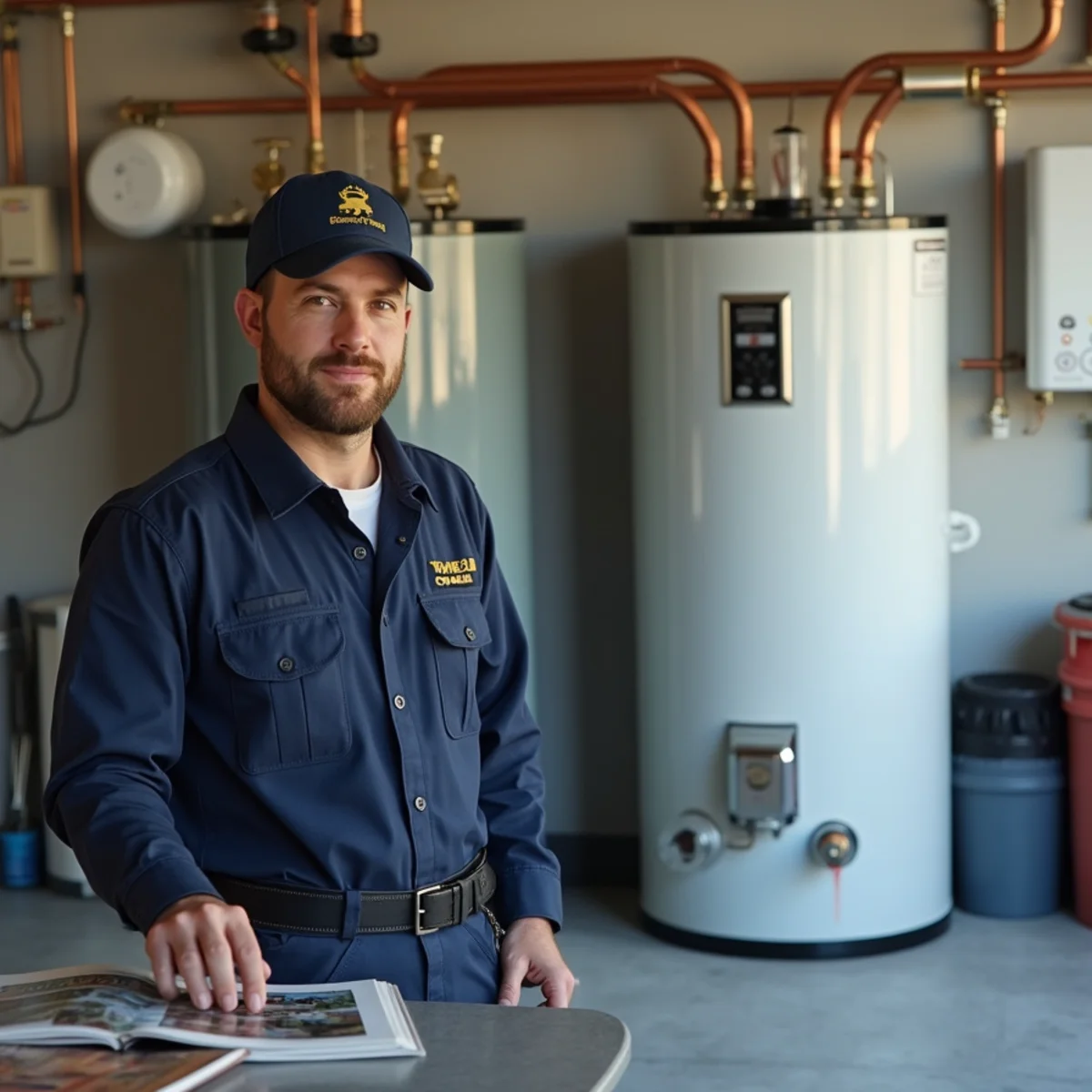
Tank vs. Tankless Water Heaters
Storage tank or tankless? Each heats water reliably but trades off cost, supply, efficiency, and space. Here is how the two compare for your home.
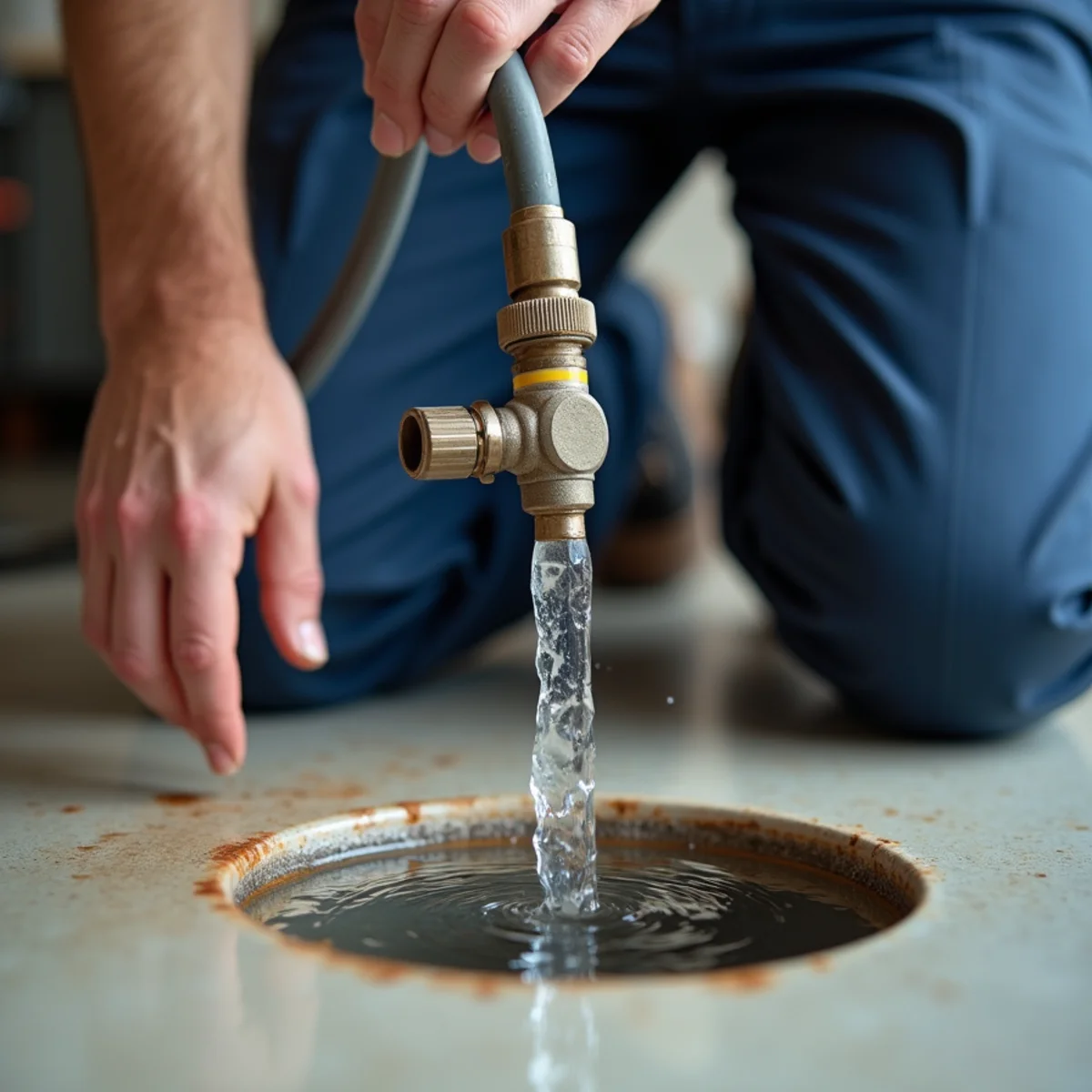
How Often Should a Water Heater Be Flushed?
Flushing clears the sediment that builds up in a water heater. Here is how often it is generally recommended and how hard water changes the schedule.
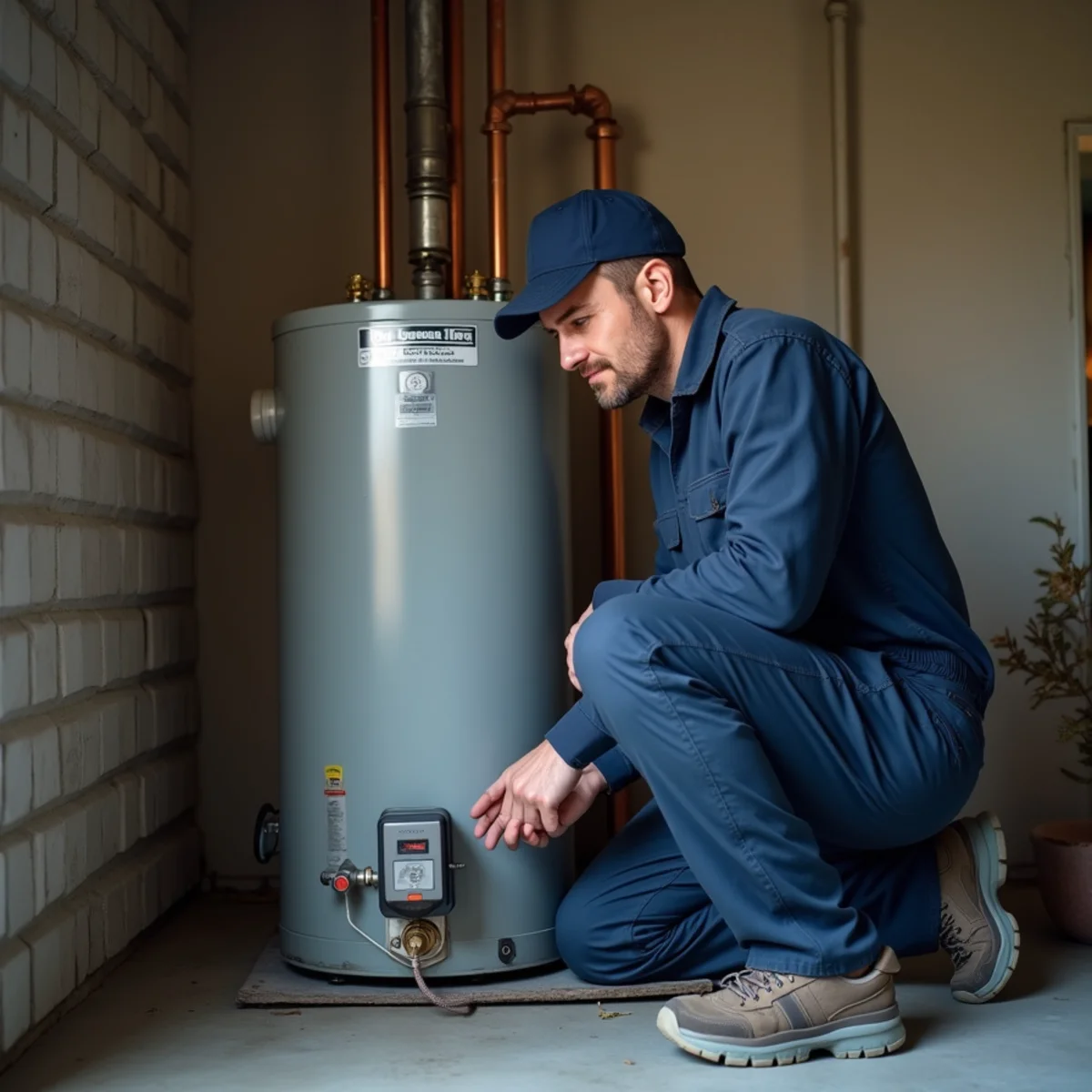
Why Is My Water Heater Making a Rumbling Sound?
A rumbling, popping, or knocking water heater usually points to sediment. Here is what the noise means, why it matters, and what to do about it.