When it is time to replace a water heater, one of the first choices is whether to stay with a traditional storage tank or switch to a tankless model. Both heat water reliably, but they do it in different ways, and each has trade-offs worth understanding before you commit.
This guide compares the two on the factors that tend to matter most to homeowners: up-front cost, hot water supply, energy use, space, maintenance, and how long each type tends to last. It also touches on how the harder water found in many El Dorado Hills homes can affect both.
By the end you should have a clearer sense of which design fits your household. We will also mention hybrid heat pump water heaters, a third option some homeowners consider, though a local plumber can confirm what your home's gas, electrical, and venting setup will actually support.
How each type works
Storage tank
A storage tank water heater keeps a reservoir of water, commonly 40 to 50 gallons, heated and ready. When you open a hot tap, water flows from the top of the tank while cold water enters the bottom to be heated. The unit works to keep the stored water at a set temperature around the clock. The stored volume, along with how quickly the tank can reheat, determines how much hot water you can draw before it turns cold.
Tankless
A tankless, or on-demand, water heater has no reservoir. When you open a hot tap, water passes through a heat exchanger and is heated as it flows. A burner or electric element fires only while water is moving, then shuts off when you close the tap. Because it only heats water when you need it, there is no standby reservoir to keep warm.
Up-front cost and installation
Storage tanks are usually less expensive to buy and simpler to install, especially as a like-for-like swap of an existing unit. That makes them a common choice when a water heater fails unexpectedly and needs quick replacement.
Tankless units generally cost more up front, and installation can be more involved. Switching from a tank to a tankless model may require changes to gas lines, venting, or electrical capacity, depending on your home. Those changes add to the initial cost, though they are a one-time expense that a tankless unit's longer service life can help offset over the years.
- Tank: lower purchase price, often a straightforward replacement
- Tankless: higher purchase price, may need gas, venting, or electrical upgrades
Hot water supply and household size
The two designs behave differently when demand is high. A storage tank can deliver a large volume quickly, but once the reservoir is drained, you have to wait for it to reheat. Long back-to-back showers can outrun a smaller tank.
A tankless unit provides a continuous flow of hot water, so it will not run out the way a tank can. Its limit is flow rate rather than volume: if too many fixtures call for hot water at once, a single unit may struggle to keep up. Larger homes sometimes address this with a higher-capacity unit or more than one. Matching capacity to peak demand is a common consideration in larger El Dorado Hills homes.
Two numbers help when sizing. For a tank, the storage capacity and the first-hour rating, which reflects how much hot water it can deliver in a busy hour by combining stored volume with reheating, are the key figures. For tankless, the equivalent is the flow rate in gallons per minute at a given temperature rise, which drops as the incoming water gets colder. Because winter groundwater is cooler, a tankless unit sized only for summer can feel underpowered in the coldest months.
Energy use and running costs
Because a storage tank keeps water warm continuously, it loses some heat while sitting idle, known as standby loss. A tankless unit avoids most of that because it only heats water on demand, which can make it more efficient over a year, particularly in homes that use hot water in shorter bursts.
That efficiency is one of tankless's main draws, but the savings vary with how much hot water you use and how the unit is sized. A home with very high usage sees a different picture than a modest one, and the up-front cost difference means efficiency gains are realized gradually rather than immediately.
Maintenance affects efficiency for both types. A tank buried in sediment or a tankless heat exchanger coated in scale will work harder than a clean one, so the efficiency figures assume the unit is reasonably maintained.
Space and lifespan
A tankless unit is compact and wall-mounted, which frees up floor space in a garage or utility area and can even be installed outside in some climates. A storage tank takes up more room and needs clearance around it.
Lifespan tends to favor tankless as well. A well-maintained tankless unit may last 15 to 20 years, while a storage tank commonly lasts around 8 to 12. Maintenance matters for both, and neither figure is guaranteed.
Maintenance needs of each
The two designs ask for different upkeep, and factoring that in helps set expectations before you choose.
Storage tank
A tank benefits from periodic flushing to clear sediment and an occasional check of the anode rod, the sacrificial part that protects the tank from corrosion. Tanks also tend to have more serviceable parts, such as elements, thermostats, and valves, which can mean more small repairs over a long life.
Tankless
A tankless unit is descaled rather than flushed: a solution is circulated through the heat exchanger to clear mineral scale. In harder water this matters more, and neglecting it can reduce efficiency and eventually trigger fault codes. Some homeowners install a scale-reduction device or softener ahead of the unit to stretch the interval between descalings.
A third option: hybrid heat pump water heaters
Beyond standard tanks and tankless units, hybrid heat pump water heaters are worth a mention. These use a heat pump to move heat into a storage tank rather than generating it directly, which can make them very efficient.
They do come with requirements. A heat pump unit needs adequate space and air around it to work well, tends to cost more up front, and may run cooler in an unconditioned garage during cold weather. For some homes they are a strong efficient choice; for others the space and placement needs make them impractical. A plumber can tell you whether your space suits one.
How local water affects both
Harder water, which is common in many homes in the area, carries dissolved minerals that can build up inside either type of water heater. In a storage tank, that shows up as sediment on the bottom. In a tankless unit, minerals can accumulate on the heat exchanger, a process sometimes called scaling.
Both types benefit from periodic maintenance in harder water. Storage tanks are flushed to clear sediment, and tankless units are descaled to clear the heat exchanger. Some homeowners in harder-water areas pair a water heater with a softener or a scale-reduction device. A professional can advise on what may help based on your water and your unit.
A quick side-by-side summary
How the two compare at a glance
- Up-front cost: tank is usually lower; tankless is higher, partly from installation
- Hot water supply: tank delivers a burst then reheats; tankless runs continuously but is limited by flow rate
- Efficiency: tankless avoids standby loss, though real savings depend on usage
- Space: tankless is compact and wall-mounted; a tank needs floor space and clearance
- Lifespan: tankless often 15 to 20 years; tank often 8 to 12, both with maintenance
- Maintenance: tanks are flushed; tankless units are descaled
Which one fits your home
There is no universal winner. The right choice depends on your budget, how your household uses hot water, and what your home's infrastructure supports.
- Consider a tank if you want lower up-front cost and a straightforward replacement
- Consider tankless if you value continuous hot water, efficiency, and saved space, and can absorb the higher initial cost
- Consider a hybrid heat pump unit if efficiency is a priority and you have suitable space
- For a larger home with high simultaneous demand, ask about sizing or multiple units
Need a plumber in El Dorado Hills?
Wedlisse Plumbers helps homeowners across El Dorado Hills and nearby communities. Call or request service any time.
Frequently asked questions
It will not run out the way a tank can, since it heats water on demand. Its limit is flow rate. If too many fixtures draw hot water at once, a single unit may not keep up, which is why sizing to your peak demand matters.
Tankless units avoid standby heat loss and are often more efficient over a year, but the savings depend on how much hot water you use and how the unit is sized. The higher up-front cost is recovered gradually, not immediately.
For households that value continuous hot water, saved space, and a longer service life, many find it worthwhile over time. For a straightforward replacement on a tight budget, a tank may make more sense. The right answer depends on your usage and what your home's gas or electrical setup supports.
Often yes, but it may require changes to gas lines, venting, or electrical capacity depending on your home. A plumber can assess what your setup would need before you commit.
Gas tankless units often need their own venting and may require a larger gas supply line than a tank used, since they fire at a higher rate. Electric models draw significant power and can call for an electrical upgrade. A professional can confirm the requirements for your home.
A well-maintained tankless unit may last 15 to 20 years, while a storage tank commonly lasts about 8 to 12. Maintenance and water quality affect both, so these are general ranges rather than guarantees.
Related articles
Water Heater Repair or Replacement: How to Decide
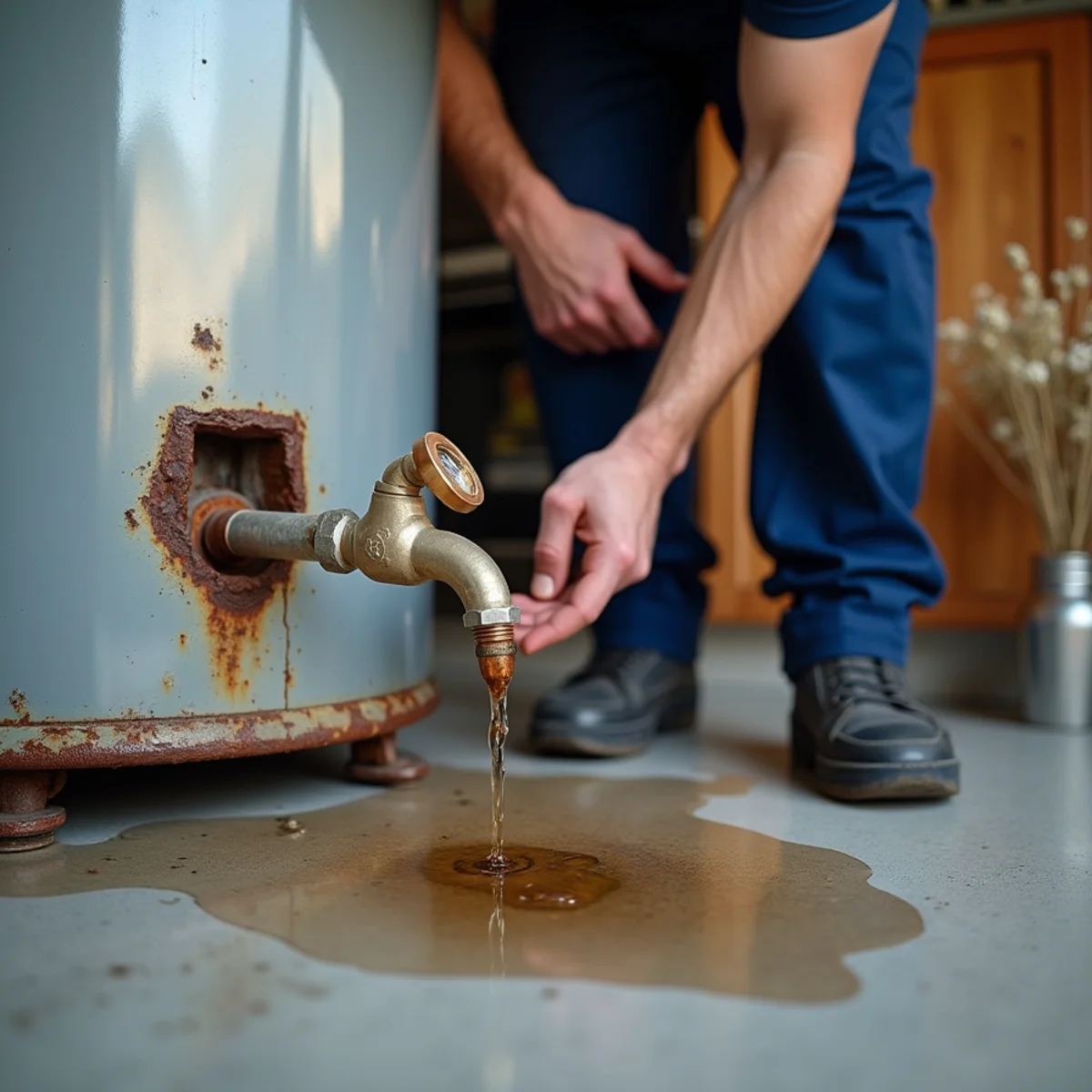
A cold shower or a puddle by the tank raises the same question: repair or replace? Here is how age, cost, and the type of failure help you decide.
How Often Should a Water Heater Be Flushed?
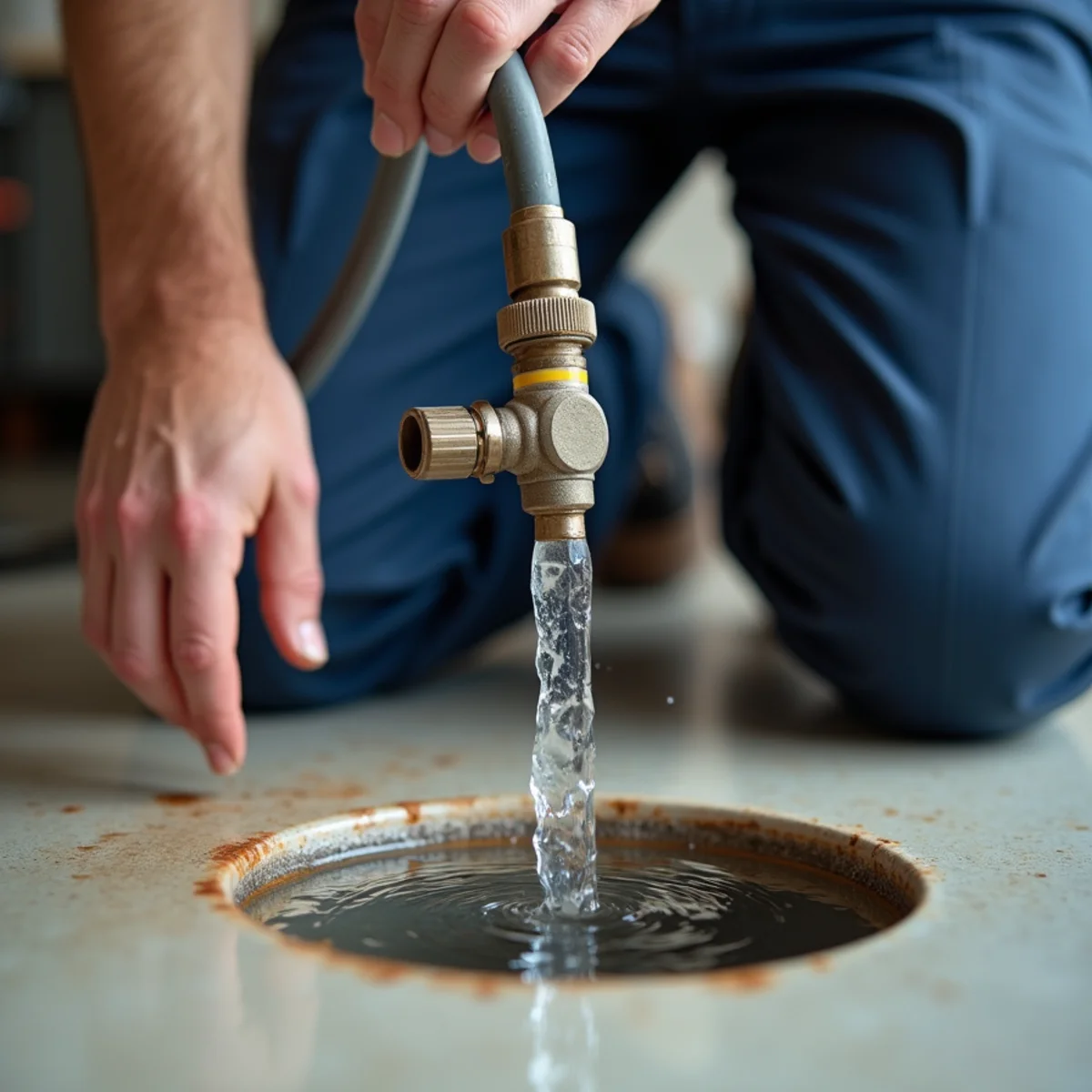
Flushing clears the sediment that builds up in a water heater. Here is how often it is generally recommended and how hard water changes the schedule.
Common Signs of Hard Water in a Home
Spotty dishes, filmy glass, and stiff laundry can all point to hard water. Here is how to recognize the signs and what to do once you know.