Common Signs of Hard Water in a Home
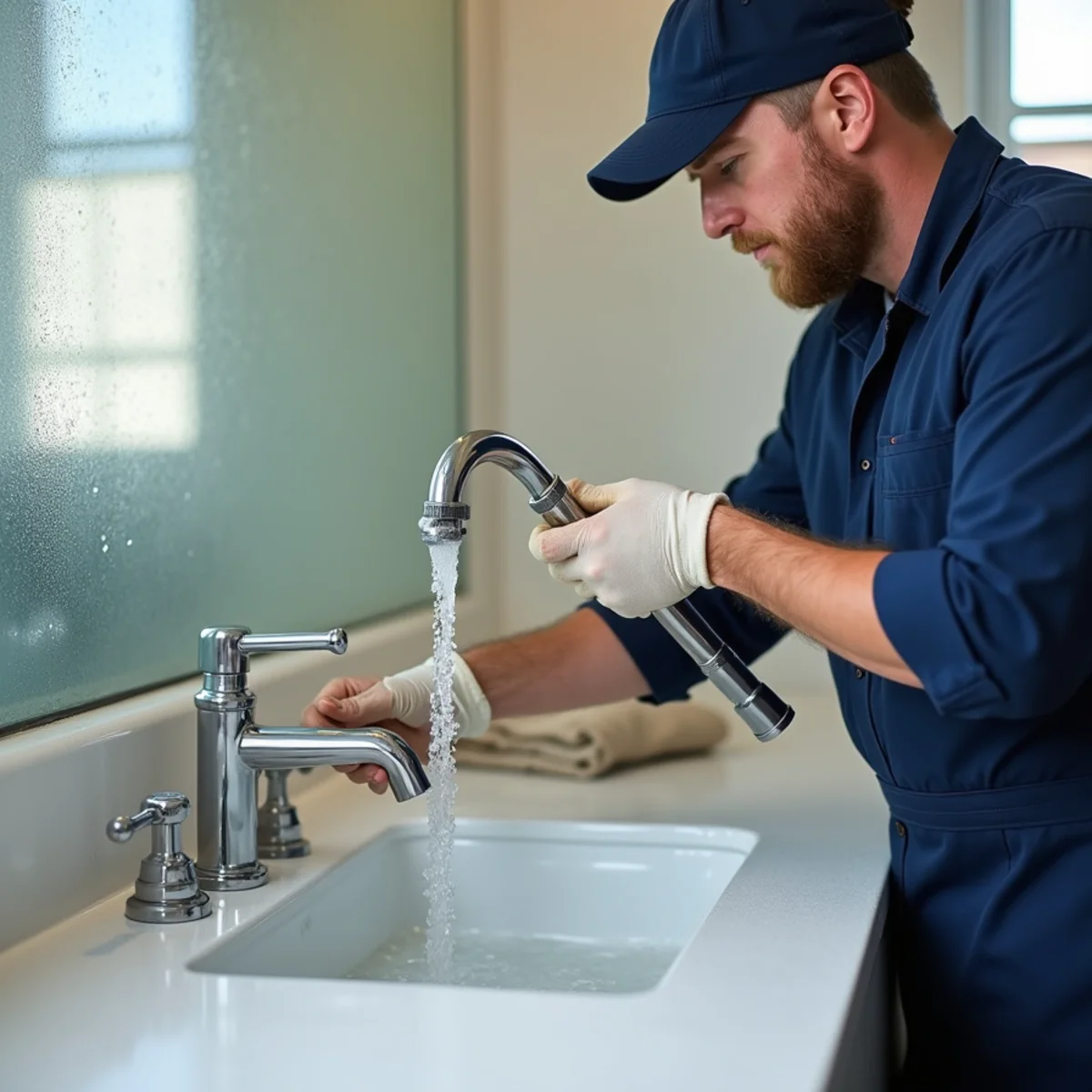
Hard water is one of the most common water quality issues in homes, and its signs are easy to miss because they appear gradually. A spotty glass here, a stiff towel there, and over time it can start to feel normal.
This guide walks through the everyday signs of hard water, how to tell it apart from other water problems, what it can do to your plumbing and appliances, how to confirm whether it is present, and how to clear the deposits it leaves behind. It also covers the options homeowners consider once they know.
Water in many parts of the El Dorado Hills area can be on the harder side, so recognizing the signs is useful for keeping fixtures and appliances working well.
What hard water actually is
Hard water simply means water with a higher concentration of dissolved minerals, mainly calcium and magnesium. These minerals are not a health concern in typical amounts, and many people drink hard water without issue. The trouble is practical: those minerals leave deposits and interfere with soap.
Water hardness is often described in grains per gallon or milligrams per liter. The higher the number, the harder the water. Levels vary by source and location, and even between neighboring areas.
Hardness sits on a spectrum. Water described as slightly hard behaves very differently from water that is very hard, so the signs, and the response, scale with the level. Knowing roughly where your water falls is more useful than simply labeling it hard or soft.
Signs you may notice around the house
These deposits are limescale, the mineral residue left behind as water dries or is heated. A little is easy to overlook; a lot becomes a regular cleaning chore.
You may also notice the deposits reappear quickly after cleaning, which is a telltale sign. Soft water rarely leaves the same chalky residue, so if wiping down a shower door buys you only a few days, hardness is a likely culprit.
- White, chalky spots on glasses, dishes, and flatware after washing
- A cloudy film on shower doors, tile, and faucets
- Crusty white or greenish scale around faucet aerators and showerheads
- Reduced flow from a showerhead as mineral scale narrows the openings
- Soap that is harder to rinse away, leaving a residue in sinks and tubs
Signs on your skin, hair, and laundry
Hard water changes how soap and detergent behave, which shows up in daily routines.
- Skin that feels dry or filmy after washing, as soap does not rinse cleanly
- Hair that feels dull or heavy
- Laundry that comes out stiff, scratchy, or dingy over time
- Needing more soap, shampoo, or detergent to get a good lather
Why this happens
The underlying reason is chemistry: the minerals in hard water react with soap to form a residue, sometimes called soap scum, instead of a clean lather. That is the same residue you see as a ring in a bathtub. Because the soap is partly neutralized, you end up using more of it to get the same result.
What hard water can do to plumbing and appliances
Beyond the cosmetic signs, hard water can affect the systems behind them. Over time, mineral scale can accumulate inside pipes, fixtures, and water-using appliances.
Water heaters
Minerals settle as sediment in a storage tank or as scale on a tankless heat exchanger, which can reduce efficiency and contribute to rumbling sounds. This is one of the more common ways hard water shows up as a plumbing issue.
Fixtures and valves
Scale can build up in aerators, showerheads, and valves, reducing flow and making moving parts stick over time. Fixtures may need cleaning or descaling more often than they otherwise would.
Appliances
Dishwashers and washing machines that run on hard water may show scale buildup and can require more detergent to perform well. Some appliances have their own scale considerations noted in the owner's manual, and mineral buildup can shorten their working life.
Pipes
Over many years, scale can narrow the interior of pipes, particularly where water is heated. This develops slowly and is more of a concern in older plumbing, but it can contribute to reduced flow over time.
Is hard water the same as other water issues?
Hard water is often lumped together with other water complaints, but they are distinct problems with different solutions. It helps to tell them apart before deciding on treatment.
- Hardness comes from calcium and magnesium and shows up as scale and poor lather
- Iron can cause reddish or brown staining on fixtures and laundry
- Sulfur can produce a rotten-egg odor, often noticed first in hot water
- Chlorine taste or smell is an aesthetic issue a filter typically addresses
Why the distinction matters
A single home can have more than one of these at once. Because the fixes differ, identifying which issues are actually present, ideally through a water test, prevents paying for the wrong solution.
The quieter costs of hard water
Beyond the visible spots and scale, hard water can add up in less obvious ways. None of these is dramatic on its own, but together they are part of why many homeowners eventually address it.
- More soap, shampoo, and detergent used to get the same results
- Water heaters and appliances that may run less efficiently as scale accumulates
- Fixtures and water-using appliances that may wear or clog sooner
- More time spent cleaning limescale from surfaces
How much it matters
How much this matters depends on how hard your water is and how your household uses water. For very hard water, the trade-offs can be enough to justify treatment; for mildly hard water, routine cleaning and descaling may be all that is needed.
How to confirm whether you have hard water
The signs above are suggestive, but a test gives you a clearer answer.
- An inexpensive home test strip can give a rough hardness reading
- Some water providers publish typical hardness figures for their supply
- A plumber can test your water and interpret the result in context
Why testing first is worth it
Testing matters because the right response depends on how hard the water actually is. A mild case may only call for regular cleaning and descaling, while harder water may justify treatment equipment. A test also establishes a baseline you can compare against later if you add a softener.
How to clear existing scale and stains
Treating the water prevents new buildup, but you will still want to remove what is already there. Limescale is a mineral deposit, so a mild acid usually loosens it more effectively than scrubbing.
- Soak a removable aerator or showerhead in white vinegar to dissolve the scale narrowing its openings
- Wipe glass, tile, and fixtures with a diluted vinegar solution, then rinse
- Address deposits promptly, since fresh scale lifts far more easily than a hardened layer
- For a dishwasher or kettle, follow the manufacturer's descaling guidance
A word of caution
Acidic cleaners can dull or etch some finishes, so it is wise to test on a small area first and follow the fixture manufacturer's guidance. Never mix vinegar or acidic cleaners with bleach or ammonia-based products, as the combination can release hazardous fumes, and ventilate the area while you work.
What you can do about it
If a test confirms hard water, there are several common approaches, and the right one depends on the severity and on your priorities.
- Regular cleaning and descaling of fixtures and appliances to manage buildup
- A water softener, which removes the minerals that cause hardness
- A scale-reduction or conditioning device as an alternative in some cases
- More frequent water heater maintenance to keep sediment in check
Need a plumber in El Dorado Hills?
Wedlisse Plumbers helps homeowners across El Dorado Hills and nearby communities. Call or request service any time.
Frequently asked questions
The minerals in hard water, mainly calcium and magnesium, are generally not a health concern in typical amounts, and many people drink it without issue. The main effects are practical: scale buildup and reduced soap performance.
It can contribute to it. Because minerals keep soap and shampoo from rinsing away cleanly, they can leave a residue that makes skin feel dry or filmy and hair feel dull or heavy. People with sensitive skin sometimes notice it more, though other factors play a part too.
Watch for chalky spots on dishes, film on glass and tile, scale around faucets, and soap that will not lather well. An inexpensive test strip or a plumber's test can confirm the hardness level.
It can contribute to scale buildup in pipes, fixtures, and water-using appliances over time, and to sediment in water heaters. The effects develop slowly, so they are often mistaken for normal aging.
A mild acid such as white vinegar usually dissolves limescale better than scrubbing. Soak aerators and showerheads, wipe glass and fixtures with a diluted solution, and address deposits early. Test on a small area first and never mix acidic cleaners with bleach or ammonia.
A water softener removes the calcium and magnesium that cause hardness. Some homeowners use scale-reduction devices instead. The right approach depends on how hard the water is and what you want to address.
Related articles
Water Softener vs. Whole-House Water Filter
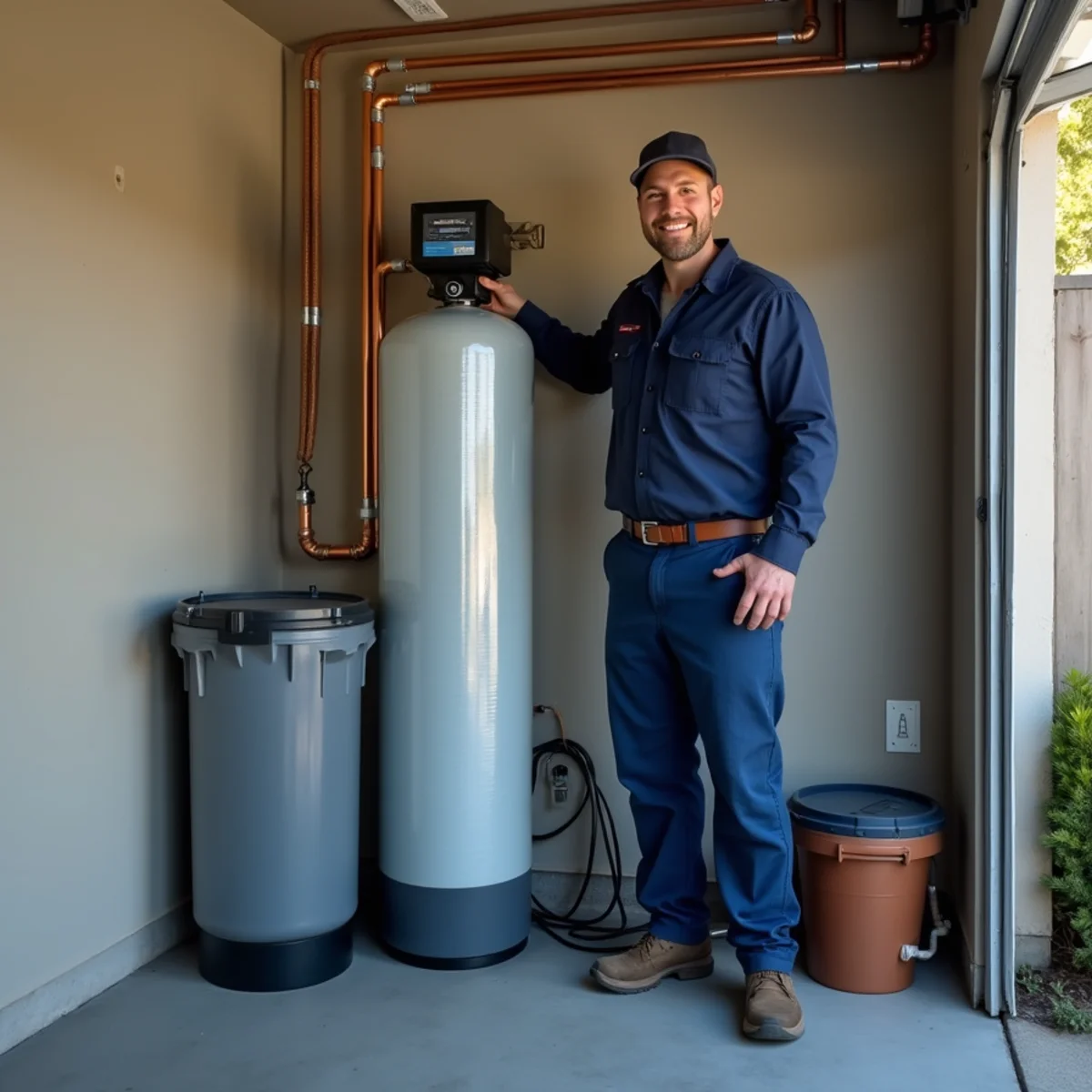
Softeners and whole-house filters are often confused, but they solve different problems. Here is what each does and how to choose the right one.
How Often Should a Water Heater Be Flushed?
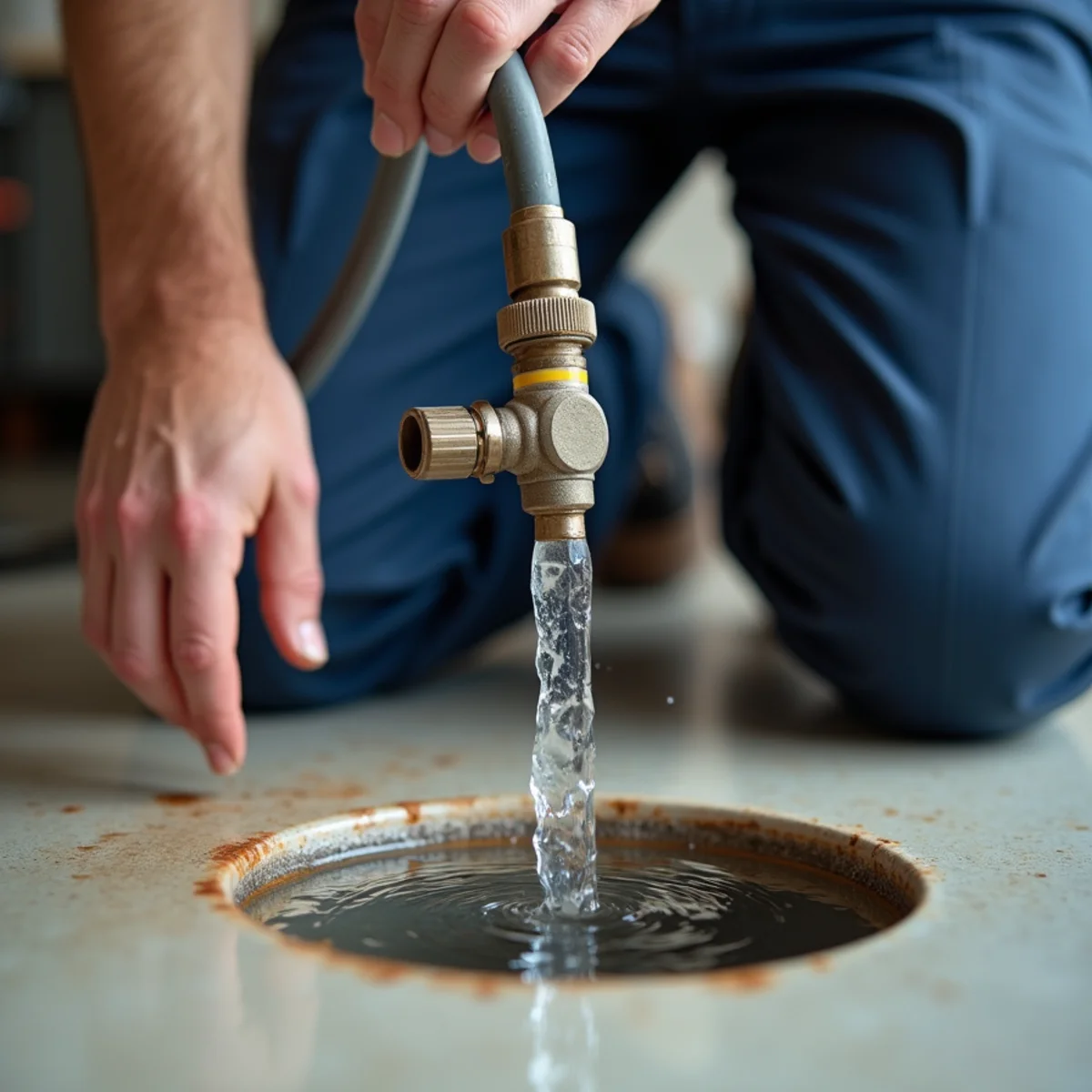
Flushing clears the sediment that builds up in a water heater. Here is how often it is generally recommended and how hard water changes the schedule.

Why Is My Water Heater Making a Rumbling Sound?
A rumbling, popping, or knocking water heater usually points to sediment. Here is what the noise means, why it matters, and what to do about it.