
Leaks & Pipes
Leak Detection in El Dorado Hills, CA
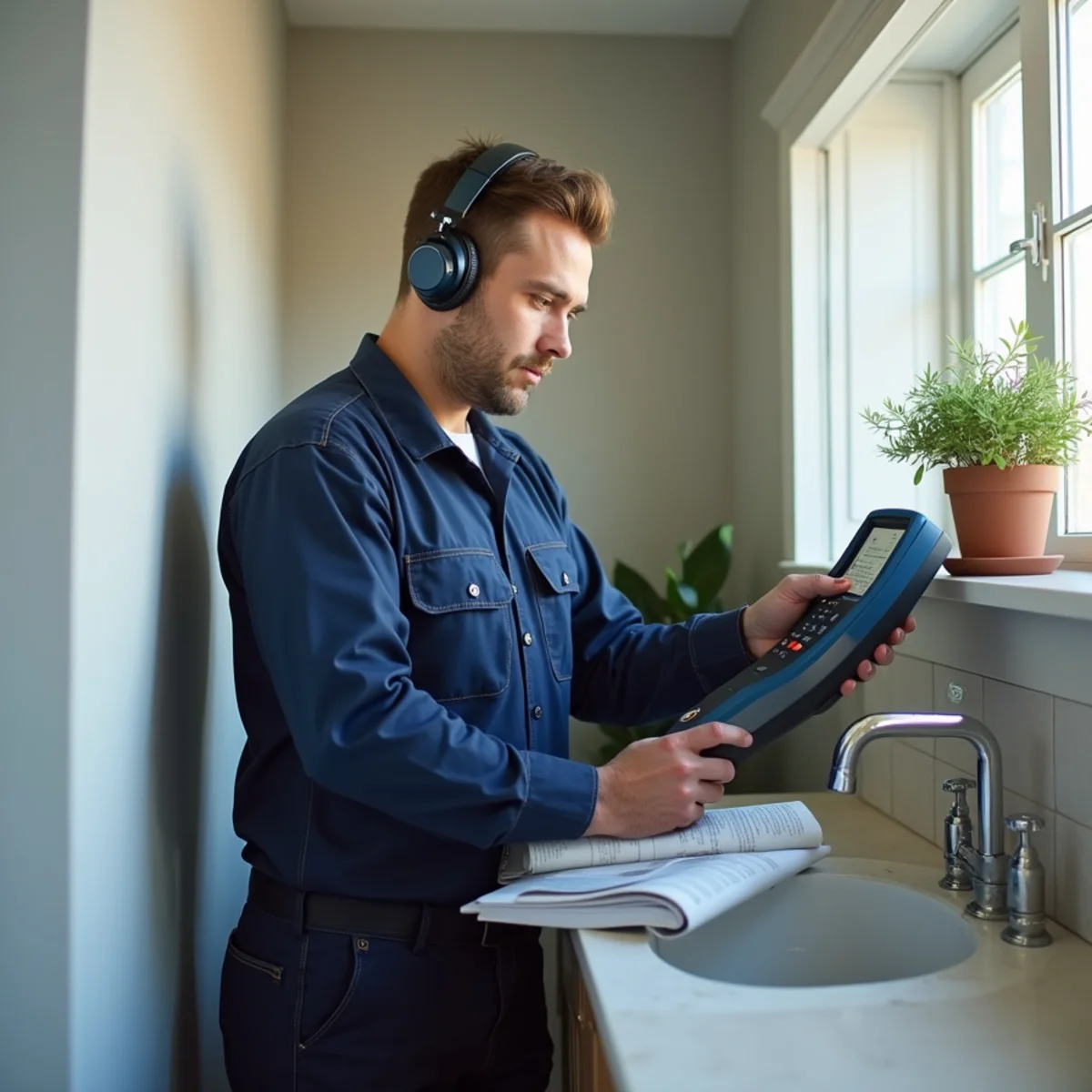
A hidden leak can quietly waste water and damage a home long before it becomes obvious. Wedlisse Plumbers uses electronic and acoustic equipment to locate leaks inside walls, under slabs and beneath floors so the problem can be fixed with minimal disruption in El Dorado Hills homes.
The point of detection is to find the source precisely before any wall or floor is opened. Pressurized water escaping a pipe makes a distinct sound, and it changes the temperature and moisture of the surfaces around it — both of which the right tools can pick up. By listening, pressure-testing and confirming the exact spot first, we keep the eventual repair smaller and the cleanup lighter than exploratory demolition ever could.
Some of the most costly leaks are the ones no one sees: a supply line seeping behind drywall, a slab line under the foundation, or an irrigation-adjacent pipe leaking underground in the yard. A high water bill with no visible cause, a meter that keeps moving with everything off, or a musty smell that will not go away are all worth investigating. We confirm whether a leak is present, locate it, and explain what it will take to repair.
- Residential & commercial service
- Clear service recommendations
- Respectful property protection
- Locally focused coverage
Signs You May Need Leak Detection
A few things homeowners often notice before calling us:
- A water bill that climbs with no change in household usage
- The sound of running water when every fixture is off
- Warm or damp spots on the floor, walls or ceiling
- A water meter that keeps moving after everything is shut off
- Musty odors, peeling paint, bubbling drywall or unexplained mildew
- Low water pressure that develops without a clear cause
- Foundation moisture or areas of soil that stay wet
- Cracked or discolored flooring where water may be pooling below
Common Causes
- Corroded or aging supply lines developing pinhole leaks
- Fittings and connections that loosen or fail over time
- Pipe damage from ground movement, settling or root intrusion
- High water pressure stressing joints and connections
- Failed seals at fixtures, valves or angle stops
- Outdoor and irrigation-adjacent lines leaking underground
- Temperature swings and age gradually weakening older piping
How We Approach the Job
- 1
Gather the clues
We review your bills, meter behavior and any damp spots or sounds, then isolate the system to confirm a leak is present before locating it.
- 2
Locate electronically
Using acoustic listening, pressure testing and other electronic tools, we narrow the leak to a specific spot without opening walls unnecessarily.
- 3
Confirm and mark
We verify the source, mark its location and explain what is leaking and why, so any repair is focused on the exact area.
- 4
Recommend repair
We outline the repair options for the leak we found, from a spot fix to a larger repair, and let you decide how to proceed.
Your Options
Acoustic and electronic locating
Pressurized water escaping a pipe makes a distinct sound and pattern that specialized listening and sensing equipment can pick up. This lets us trace a leak to a precise point behind a wall or under a floor rather than exploring blindly. Where a leak is quieter, combining methods helps confirm the same location from more than one angle.
Pressure and meter testing
Isolating sections of the plumbing and watching how pressure holds, along with reading the water meter, helps confirm whether a leak is on the supply side and roughly where it lives. It is a careful, methodical way to separate a real leak from other causes such as a running toilet or an irrigation valve.
Indoor, slab and outdoor lines
Leaks hide in different places, and each calls for a slightly different approach. By separating the indoor plumbing from the slab lines and the outdoor and irrigation-adjacent pipes, and testing each, we can usually tell which side the leak is on before deciding where to access it.
Non-invasive first
The aim is to find the leak with the least intrusion possible. By locating the source accurately before any access work, we help keep the eventual repair smaller and the cleanup lighter, and we can show you exactly why we are opening a given spot rather than guessing.

Not sure what's wrong? Let's take a look.
Describe what's happening and we'll help you figure out the next step.
Benefits of Timely Service
- Leaks found before they cause major structural damage
- Smaller, targeted repairs instead of exploratory demolition
- A clear explanation of what is leaking and why
- Lower water waste and a chance to rein in a high bill
- Peace of mind that a suspected leak is confirmed or ruled out
- Less risk of mold and rot from moisture left unaddressed
Residential
- Hidden leaks behind walls, ceilings and under floors
- Under-slab and foundation-area supply leaks
- Fixture, valve and angle-stop leak locating
- Outdoor and irrigation-adjacent line checks
- High-water-bill investigations
- Confirming or ruling out a suspected leak before a repair
Commercial
- Leak locating for offices, retail and multi-unit properties
- Investigations tied to unexplained utility spikes
- Coordination with property managers on access and timing
- Locating before renovation to avoid opening the wrong areas
How we find a leak without tearing up your home
Locating a hidden leak is a process of narrowing down, not guesswork. We start by confirming water is being lost, then use a combination of methods to close in on the exact spot before anything is opened.
Steps we work through
- Check the meter with all fixtures off to confirm a leak
- Isolate indoor, slab and outdoor lines to narrow the area
- Listen with acoustic equipment for pressurized water
- Watch how pressure holds when sections are isolated
- Mark the confirmed spot so access can be as small as possible
What a hidden leak can cost if it waits
A slow leak rarely stays small. Beyond the wasted water on every bill, moisture trapped in walls and under floors can lead to warped materials, stained ceilings, mold, and eventually structural damage that costs far more to put right than the leak itself. Finding and fixing the source early is almost always the less expensive path.
Why leaks hide in local homes
Seasonal soil movement through the foothills' dry-summer and wet-winter cycles can stress buried lines, and higher water pressure in some newer hillside homes may add strain to fittings over time. Larger properties also mean longer runs of pipe and more irrigation, which gives a leak more places to hide. A professional inspection can determine whether a suspected leak is on an indoor line, a slab, or an outdoor irrigation-adjacent pipe.
Areas We Serve
Leak Detection for customers in El Dorado Hills and selected nearby communities:
Leak Detection FAQs
We use acoustic listening and electronic sensing along with pressure and meter testing to trace the leak to a precise point. Locating the source accurately first means access and repair can be focused on a small area rather than opening large sections.
A rising bill with no visible cause is a common sign of a hidden leak, sometimes underground or under a slab. Checking whether the water meter keeps moving with everything off is a useful first step, and we can confirm and locate the source from there.
Often, yes. By isolating the indoor plumbing from the outdoor and irrigation lines and testing each, we can usually determine which side the leak is on before deciding where to access it.
Turn off every fixture and appliance that uses water, then watch the water meter for a while. If the dial or digits keep moving with nothing running, water is being lost somewhere. Noting damp spots, sounds or musty smells also helps us zero in faster.
Yes. Once the source is confirmed we can explain the repair options — a spot repair, a section replacement, or in some cases a larger fix — and carry out the work you approve.
Usually, yes. Even a slow leak wastes water on every bill and can lead to warped materials, mold and structural damage over time. Addressing it early tends to be far less costly than repairing the damage it causes later.
Need Leak Detection in El Dorado Hills?
Call for current service availability, or send a request and we'll follow up to schedule an assessment.
For an active leak or urgent plumbing concern, call for current service availability.