Water Heaters
Water Heater Installation in El Dorado Hills, CA
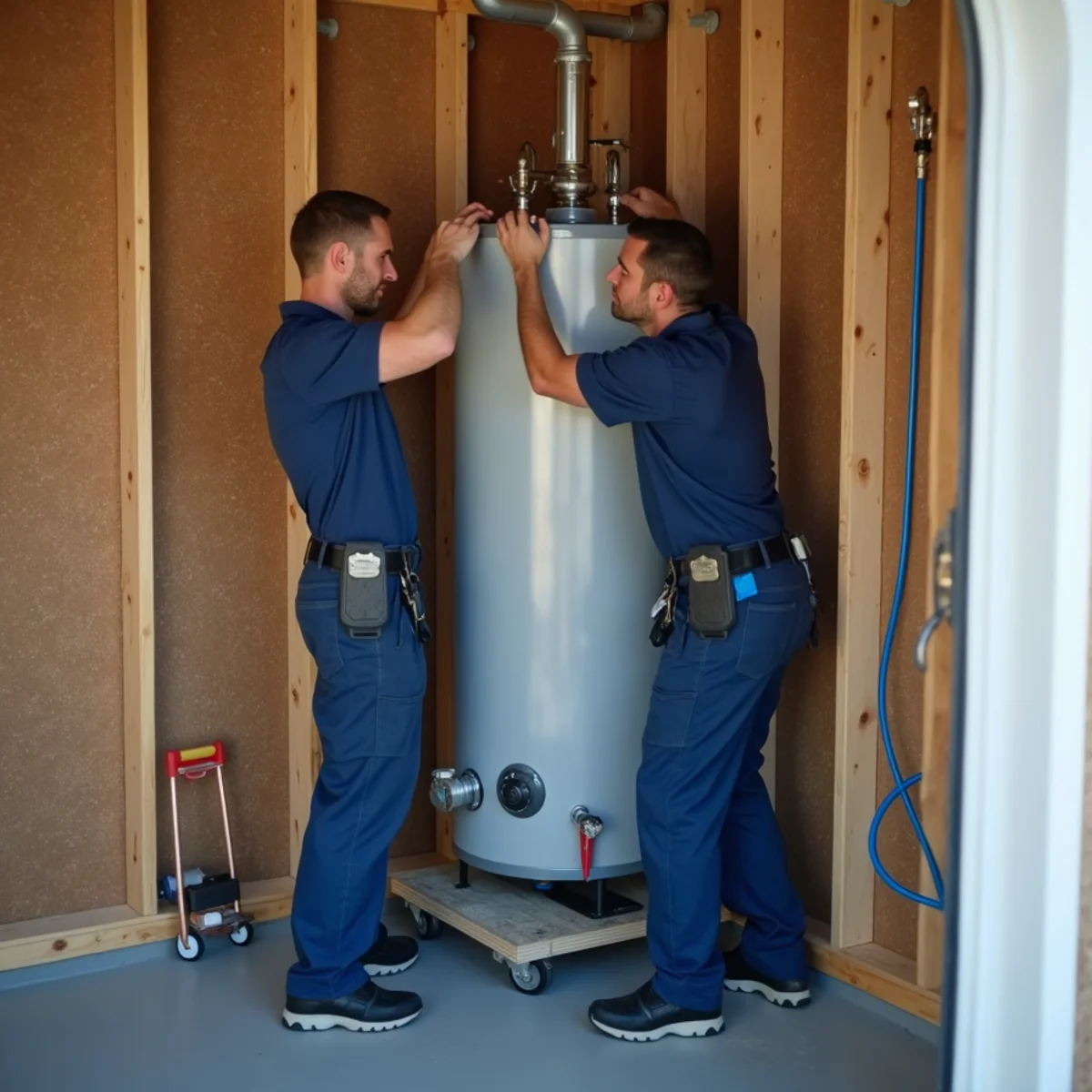
Replacing a water heater is a good moment to get the sizing, fuel type and code details right, not just swap like-for-like. Wedlisse Plumbers helps El Dorado Hills homeowners choose a tank that matches their household demand, then installs it cleanly and safely so the new unit performs the way it should from day one.
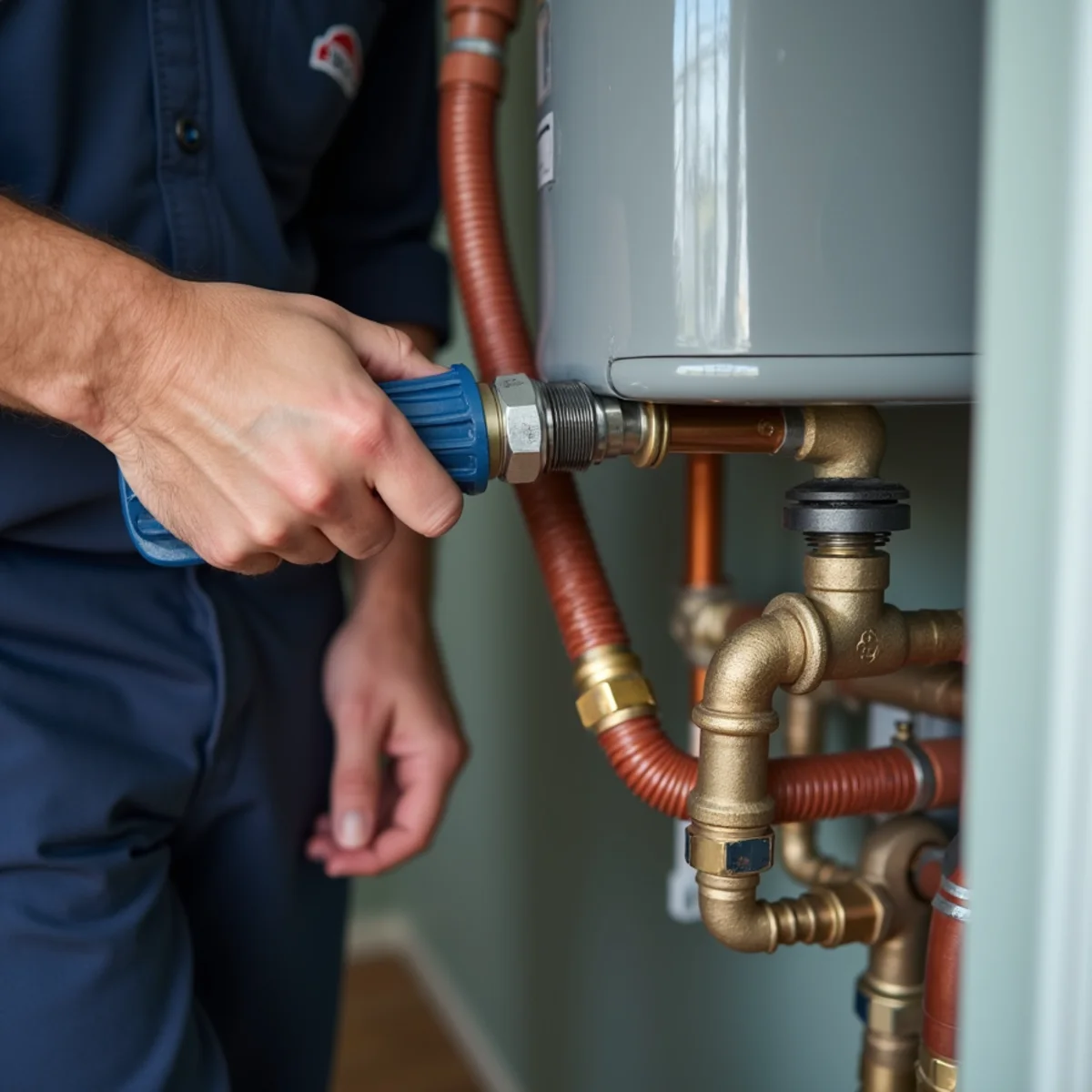
A tidy installation is about far more than setting the tank in place. Proper venting, a thermal expansion tank, seismic strapping, correct water and gas connections, a drain pan, and a working relief line all shape how the unit runs and how long it lasts. In a closed plumbing system — common where a pressure regulator or check valve is present — an expansion tank is often required by California code, and skipping any of these details tends to cause problems later.
Because many foothill homes run on hard water and have higher simultaneous demand than a small house, the right capacity and setup matter more than they might elsewhere. We plan the swap around how your household actually uses hot water, handle the permitting and code-related items where required, and leave you with an installation you do not have to think about.
- Residential & commercial service
- Clear service recommendations
- Respectful property protection
- Locally focused coverage
Signs You May Need Water Heater Installation
A few things homeowners often notice before calling us:
- An existing heater well past its expected service life
- Repeated repairs adding up on an older unit
- Hot water running out sooner as the household grows
- Rust-colored water or corrosion visible at the tank or fittings
- An undersized tank struggling to keep up during busy mornings
- Rising energy use from an inefficient older model
- Water pooling at the base, signaling the tank itself may be failing
Common Causes
- A tank that has reached the end of its dependable life
- A household that has outgrown the current tank capacity
- A previous installation that was undersized or vented poorly
- Interior corrosion once the anode rod is fully spent
- A desire to move from an older, less efficient design to a newer one
- Hard-water sediment that has reduced usable capacity over the years
How We Approach the Job
- 1
Review your hot-water needs
We look at household size, number of bathrooms, peak simultaneous demand and your current fuel type to recommend an appropriately sized unit.
- 2
Assess the space and connections
We check the existing venting, gas or electrical supply, water lines, drain pan and clearances to see exactly what the swap involves.
- 3
Recommend a unit and scope
We present tank options and explain any code-related items such as an expansion tank, seismic strapping or venting so there are no surprises.
- 4
Install and verify
We set the new unit, make the connections, check for leaks, confirm safe operation, and walk you through the basics before we leave.
Your Options
Gas versus electric
Gas tanks tend to recover hot water faster and can suit larger households, while electric units are simpler to vent and may fit homes without a gas line. Changing fuel type can add cost for new gas or electrical work, so the right choice depends on your existing utilities, the space you have, and how much hot water your family uses at once.
Right-sizing the tank
A tank that is too small leaves you short during busy mornings, while an oversized one wastes energy keeping extra water hot. We estimate your peak demand — showers, laundry and dishwashing overlapping — and match the capacity to how your household actually uses hot water. First-hour rating and recovery speed matter as much as raw gallons, especially in a busy home.
Code items and permits
Installations in California may involve a thermal expansion tank, seismic strapping, proper venting, a drain pan, and a permit depending on the jurisdiction and scope. These items exist for safety and longevity, not just paperwork. We handle the permitting and code details where required so the finished work meets local expectations and passes inspection.
Standard tank or a tankless conversion
Most replacements are a straightforward tank-for-tank swap, which keeps the project simpler and the cost contained. Some homeowners use the moment to consider tankless for endless hot water and reclaimed space. We explain what a conversion would involve for your home so the decision is informed rather than rushed.
Not sure what's wrong? Let's take a look.
Describe what's happening and we'll help you figure out the next step.
Benefits of Timely Service
- A unit sized to your household rather than a guess
- Clean venting, connections and a working relief line
- Code-related details and permits handled by a professional
- More consistent hot water during peak times
- A safe, tidy installation you do not have to think about
- Old unit removed and hauled away for you
Residential
- Full replacement of aging gas and electric tanks
- Expansion tank and seismic strapping where required
- Upsizing for growing households or added bathrooms
- Pan, drain and shutoff upgrades during the swap
- Venting and gas-line checks as part of the install
- Haul-away of the old unit
Commercial
- Replacement units for small offices and storefronts
- Sizing guidance for higher-demand light-commercial spaces
- Coordination with property managers on scheduling and access
- Code-item review to keep installations inspection-ready
Choosing the right size for your home
Getting the capacity right is the difference between comfortable mornings and cold showers. Rather than defaulting to whatever was there before, we look at how many people use hot water, how often demand overlaps, and how quickly the unit needs to recover between uses.
What we weigh when sizing
- Number of bathrooms and people in the home
- Peak times when showers, laundry and dishwashing overlap
- First-hour rating and recovery speed, not just gallon count
- Fuel type available and the space for venting
- Room for future needs if the household is growing
What affects the cost of a water heater installation
Installation involves more than the price of the unit, and several factors shape the scope. We walk through these so the estimate makes sense and there are no surprises on the day.
Factors that shape the project
- Tank size, fuel type and efficiency level
- Whether the existing venting and gas or electric supply can be reused
- Code items such as an expansion tank, strapping and a drain pan
- Permit requirements for the jurisdiction and scope
- Access to the install location and condition of the connections
- Any conversion from one fuel type or system to another
Installation considerations for El Dorado Hills homes
Larger custom homes in the El Dorado Hills area often see higher simultaneous hot-water demand, which can make sizing the difference between a smooth morning and a cold shower. Hard water is also common locally, so choosing a unit and setting up for periodic maintenance can help protect the investment over time. Where a home has a pressure regulator or higher incoming pressure, an expansion tank and correct relief setup matter even more.
Areas We Serve
Water Heater Installation for customers in El Dorado Hills and selected nearby communities:
Water Heater Installation FAQs
It depends on how many people use hot water and how often demand overlaps, such as showers running while the dishwasher and laundry are going. We estimate your peak use and recommend a capacity that keeps up without wasting energy on water you rarely need.
Where a permit is required for the work, we take care of the permitting and code-related details. Requirements can vary by jurisdiction and the scope of the job, so we confirm what applies before installing.
That comes down to your existing utilities, venting and hot-water demand. Changing fuel type can add cost for new gas or electrical work, so we weigh the reasons to stay with your current setup against the reasons to switch for your home.
As water heats it expands, and in a closed system that added pressure needs somewhere to go. An expansion tank helps absorb it and is often required by code, which can also help protect the water heater and connected plumbing.
A straightforward tank-for-tank replacement is often completed in a few hours. Jobs that involve new venting, a change of fuel type, added code items, or a difficult install location can take longer, and we give you a realistic timeframe once we have seen the space.
Yes. Disconnecting and hauling away the old unit is part of the installation, so you are not left to dispose of it. We drain it down and remove it as we set the new heater in place.
Need Water Heater Installation in El Dorado Hills?
Call for current service availability, or send a request and we'll follow up to schedule an assessment.
For an active leak or urgent plumbing concern, call for current service availability.