Water Heaters
Water Heater Repair in El Dorado Hills, CA
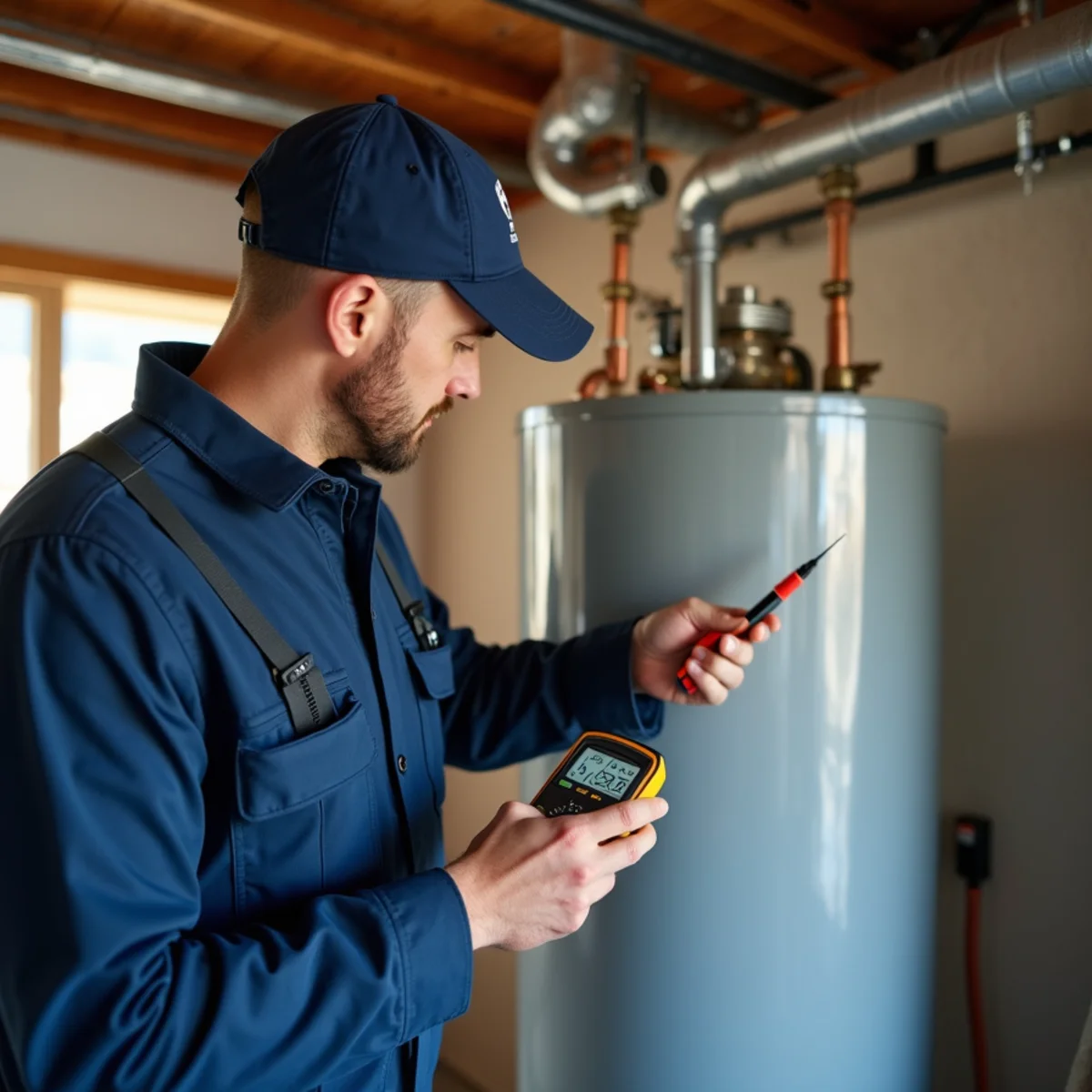
When a shower turns cold halfway through, the tank starts rumbling, or a puddle appears on the garage floor, the water heater is usually asking for attention. Wedlisse Plumbers troubleshoots gas and electric units across El Dorado Hills, pinpoints the part that failed, and repairs that specific component rather than replacing the whole heater by default.
Most hot-water problems trace back to a handful of culprits: a worn thermostat, a burned-out heating element, a tired gas control valve, a fouled burner, or a layer of hard-water sediment settling on the tank floor. Each has its own symptoms, and a careful test tells us which one is at fault. We check the unit, explain what we find in plain language, and let you weigh a targeted repair against the cost of a new heater.
Because hard water is common across the Sierra foothills, sediment and mineral scale can build up faster here than in soft-water areas, which is one reason rumbling and slow recovery are among the problems we see most. Whatever the symptom, the goal stays the same: restore steady, comfortable hot water safely, and give you an honest read on how much life the current unit likely has left.
- Residential & commercial service
- Clear service recommendations
- Respectful property protection
- Locally focused coverage
Signs You May Need Water Heater Repair
A few things homeowners often notice before calling us:
- Little or no hot water, or hot water that runs out much faster than it used to
- Water pooling, dripping or staining around the base of the tank
- Rumbling, popping or knocking sounds while the unit heats
- Water that comes out rusty, cloudy or with a metallic smell
- A pilot light or burner that will not stay lit on a gas model
- Tripped breakers, no heat, or only lukewarm water on an electric model
- Water that runs scalding hot or never reaches a comfortable temperature
- A gas or electric bill that climbs while the unit works harder than it should
Common Causes
- Sediment and hard-water minerals collecting on the tank bottom and insulating the burner or lower element
- A failed upper or lower heating element on an electric unit
- A thermostat that no longer reads or holds the set temperature
- A worn gas control valve, faulty igniter, or a thermocouple that will not keep the pilot lit
- A depleted anode rod allowing corrosion to spread inside the tank
- A leaking drain valve, loose supply connection, or a failing temperature-and-pressure relief valve
- General age and wear once a tank moves past its expected service life
How We Approach the Job
- 1
Describe the symptoms
Tell us the fuel type, roughly how old the unit is, and what changed — no hot water, a leak, a strange noise or a rising bill — so we arrive with the right parts and tools.
- 2
Test and diagnose
We check the thermostat, elements or burner, gas supply, wiring, connections and relief valve, and look for signs of internal tank corrosion versus a fixable external part.
- 3
Explain the options
We share whether a repair is practical for the unit's age and condition, or whether replacement may be the better value, and answer your questions before anything is done.
- 4
Complete the repair
With your approval we replace the failed component, verify safe operation of the gas or electric system, and confirm the water reaches a steady, comfortable temperature.
Your Options
Component repair
Many hot-water problems trace back to a single part, and when the tank itself is sound, swapping that component often restores reliable hot water at a fraction of the cost of a new unit. We carry the parts that fail most often and test the whole system so a repair fixes the real cause rather than the first symptom.
Parts we commonly repair or replace
- Upper and lower heating elements on electric units
- Thermostats and high-limit reset switches
- Thermocouples, igniters and gas control valves
- Temperature-and-pressure (T&P) relief valves
- Drain valves, dip tubes and supply connections
- Anode rods that are fully spent
Sediment flushing and valve service
Hard water is common across the foothills, and mineral sediment can build up faster here than in soft-water areas. Draining and flushing the tank can quiet rumbling, improve recovery, and help the burner or lower element heat efficiently again. While the tank is drained, we can also replace a weeping drain valve or a relief valve that is dripping.
Gas and electric troubleshooting
Gas and electric heaters fail in different ways, so the diagnosis differs too. On a gas unit we look at the pilot, thermocouple, burner and gas valve; on an electric unit we test elements, thermostats, the reset switch and the incoming power. Pinpointing which system is at fault keeps the repair focused and avoids replacing parts that are working fine.
Repair versus replacement
If the tank shell is corroded or leaking from the body rather than a fitting, a repair usually is not worth it. We lay out the trade-offs honestly — the unit's age, what failed, and how much life it likely has left — so you can decide between investing in the current heater or moving to a new tank or tankless system.
Not sure what's wrong? Let's take a look.
Describe what's happening and we'll help you figure out the next step.
Benefits of Timely Service
- A clear diagnosis instead of an automatic push to replace
- Restored hot water for showers, laundry and dishes
- Safer operation of gas components and the relief valve
- Quieter heating once sediment is flushed from the tank
- A realistic sense of how much life the current unit may have left
- Repairs scoped to the actual failure rather than the whole system
Residential
- Gas and electric tank units in garages, closets and utility spaces
- No-hot-water and slow-recovery troubleshooting
- Leak checks at fittings, valves and the tank base
- Sediment flushing and anode rod evaluation
- Relief valve, thermostat and heating element replacement
- Pilot, thermocouple and gas control valve service
Commercial
- Light-commercial water heaters for offices and small storefronts
- Hot-water troubleshooting for salons, cafes and break rooms
- Scheduled flushing to help maintain recovery in hard-water areas
- Relief valve and thermostat checks tied to code and safety
How we diagnose a water heater problem
A cold shower can point to several different failures, so we work through the system in order rather than guessing. On an electric heater that often means checking the reset switch, testing both thermostats and elements, and confirming power is reaching the unit. On a gas heater it usually starts at the pilot and thermocouple, then the gas valve and burner.
We also look for the difference between a repairable external issue and a tank that is failing internally. A drip from a valve or fitting is one thing; water seeping from the body of the tank is another, and knowing which you have prevents money spent on a repair that will not hold.
What affects the cost of a water heater repair
No two repairs are identical, and several factors influence the work involved before any parts are discussed. Sharing these up front helps you understand the estimate rather than just the number.
Factors that shape the repair
- Fuel type — gas and electric units use different parts and diagnostics
- Which component failed, and whether more than one is involved
- The age and overall condition of the tank
- How much sediment has built up and whether a flush is needed
- Access to the unit and its connections in the space
- Whether code items like the relief valve or venting also need attention
Why El Dorado Hills water heaters work hard
Hard water and larger custom homes can put extra strain on a water heater, since more fixtures may draw hot water at the same time and mineral content can accelerate sediment buildup. That combination is a common reason foothill homeowners notice rumbling, slower recovery, or a shorter tank life than they expected. A professional inspection can determine whether a noise or slow-recovery problem is a simple service item or a sign the tank is nearing the end of its life.
Simple steps before we arrive
If the tank is actively leaking or you smell gas, a few careful steps can limit damage while you wait. These are precautions, not repairs, and anything involving the gas supply or wiring is safest left to a professional.
Helpful precautions
- Shut off the cold-water supply valve at the top of the tank if it is leaking
- Turn the gas control to the pilot or off position on a gas unit
- Switch off the breaker to the water heater on an electric unit
- If you smell gas, leave the area and call from a safe location
Areas We Serve
Water Heater Repair for customers in El Dorado Hills and selected nearby communities:
Water Heater Repair FAQs
It often depends on the unit's age and what failed. A single part like a thermostat or element on a newer tank is usually worth repairing, while a leaking or heavily corroded tank on an older unit may be better replaced. We walk through the trade-offs so the choice is yours.
That sound is often sediment on the tank bottom trapping water beneath it, which can boil and pop as the burner or element heats. Flushing the tank may quiet it, though heavy buildup can also point to a unit that is aging.
A slow drip from a valve or fitting can sometimes be repaired, but water coming from the body of the tank usually means the tank has failed and needs replacement. Turning off the cold-water supply to the heater and giving us a call is a sensible first step.
Lukewarm water often comes from a failing thermostat or, on an electric unit, one burned-out element still leaving the other working. On a gas heater a weak burner or heavy sediment can have the same effect. Testing the unit usually shows which cause is at work.
Many households find a setting around 120 degrees comfortable and reasonably efficient, and it also reduces scald risk. Homes with specific needs may prefer a different setting, so we can talk through what suits your household during a visit.
Many tank units last roughly a decade, though hard water and heavy use can shorten that. Regular flushing may help, but once a tank is well past its expected life, repeated repairs often make replacement the more practical route.
Need Water Heater Repair in El Dorado Hills?
Call for current service availability, or send a request and we'll follow up to schedule an assessment.
For an active leak or urgent plumbing concern, call for current service availability.