Leaks & Pipes
Water Pressure Repair in El Dorado Hills, CA
Water pressure that is too low makes showers weak and chores slow, while pressure that is too high quietly stresses the whole plumbing system. Wedlisse Plumbers diagnoses both extremes in El Dorado Hills homes and repairs the cause, from a clogged line or worn aerator to a failing pressure regulator on the main.
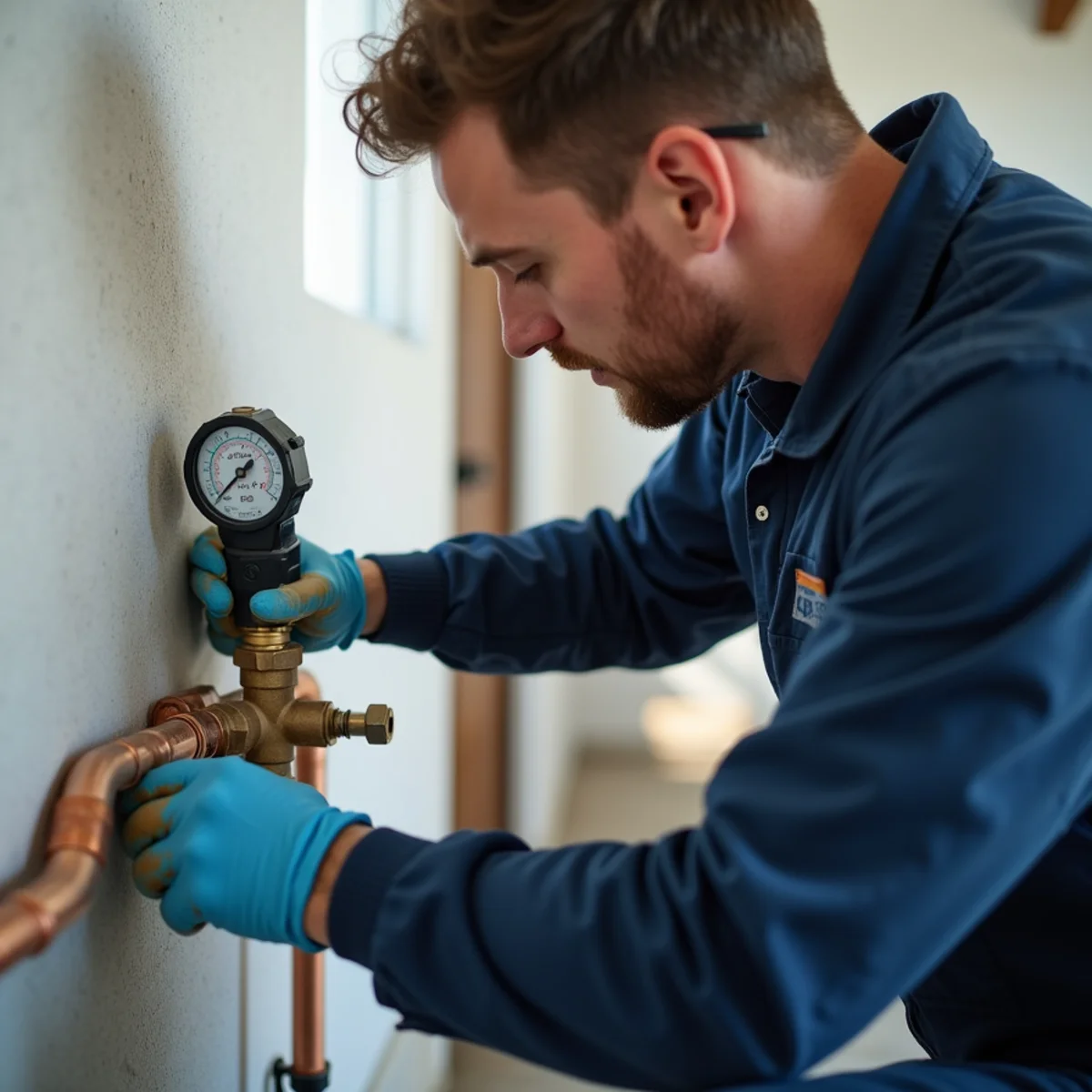
Pressure problems are often misread, and the fix depends entirely on the cause. A gauge test at the hose bib and a look at the pressure-reducing valve usually reveal whether the issue is the incoming supply, a restriction inside the pipes, or a regulator that is no longer holding a steady level. Low pressure can trace to mineral buildup, a partly closed valve, or a hidden leak downstream; high pressure often points to a regulator stuck open or missing entirely.
High pressure deserves particular attention because it does its damage out of sight. Water forced through the system too hard wears out fixtures faster, stresses joints and connections, and can shorten the life of water heaters and appliances, sometimes showing up first as water hammer — that bang when a faucet shuts off. We measure the actual pressure, trace the real cause, and bring it back into a safe, comfortable range.
- Residential & commercial service
- Clear service recommendations
- Respectful property protection
- Locally focused coverage
Signs You May Need Water Pressure
A few things homeowners often notice before calling us:
- Weak flow from faucets, showers or the whole house
- Pressure that swings between strong and weak
- Banging or hammering pipes when a tap shuts off
- Faucets or fixtures wearing out or leaking unusually fast
- A running toilet or dripping relief valve from excess pressure
- Appliances that fill slowly or struggle to run
- Sudden pressure changes after other plumbing work
- A water heater relief valve that weeps or discharges
Common Causes
- A failed or misadjusted pressure regulator (PRV)
- Mineral buildup or corrosion restricting flow in older pipes
- High supply pressure common in some hillside and custom homes
- A partially closed valve or clogged aerators and fixtures
- A hidden leak reducing pressure downstream
- An absent regulator on a line delivering high street pressure
How We Approach the Job
- 1
Measure the pressure
We test the actual pressure with a gauge to see whether it is too low, too high, or fluctuating, which points the diagnosis in the right direction.
- 2
Trace the cause
We check the pressure regulator, valves, aerators and pipe condition, and look for restrictions or a hidden leak affecting flow.
- 3
Explain the findings
We share whether the issue is a regulator, a restriction, high supply pressure or something else, and what the repair involves.
- 4
Repair and confirm
We service or replace the failing component, then re-test the pressure to confirm it is within a safe, comfortable range.
Your Options
Pressure regulator (PRV) service
A pressure-reducing valve keeps incoming supply at a safe level for the home, and it sits on the main line, usually near where water enters. When it fails, pressure can climb too high or drop too low, and it can start to make noise. Adjusting or replacing the regulator is often the fix, and it protects fixtures, connections and appliances from strain.
Clearing restrictions
Low pressure is sometimes caused by mineral buildup, corroded pipe, a partly closed valve, or clogged aerators rather than the supply itself. We locate the restriction and address it — cleaning or replacing aerators, opening a valve, or advising on a line that has narrowed with age — which can restore flow without larger work.
Managing high pressure
Excessive pressure may feel great in the shower, but it wears out fixtures, stresses joints, and can shorten the life of water heaters and appliances. It is also a leading cause of water hammer. Where a home has high supply pressure, adding or replacing a regulator brings it into a safer range and protects the whole system.
Quieting water hammer
That bang or knock when a faucet or appliance valve shuts off is often linked to high pressure, though loose pipes and other causes can contribute. Checking the pressure and regulator is the starting point, and once the underlying cause is clear there are ways to reduce the noise and the stress it puts on the plumbing.
Not sure what's wrong? Let's take a look.
Describe what's happening and we'll help you figure out the next step.
Benefits of Timely Service
- Comfortable, steady flow at showers and fixtures
- Protection for pipes, fixtures and appliances from excess pressure
- Fewer leaks and failures caused by pressure that is too high
- A clear diagnosis of low versus high pressure
- Quieter plumbing once hammering and surges are addressed
- A regulator set and confirmed within a safe range
Residential
- Diagnosis of low, high and fluctuating pressure
- Pressure regulator adjustment and replacement
- Clearing restrictions from buildup, valves and aerators
- Water hammer investigation and reduction
- Pressure checks after leaks or other plumbing work
- Guidance for high-pressure hillside and custom homes
Commercial
- Pressure diagnostics for offices and small facilities
- Regulator service to protect commercial fixtures
- Checks tied to fixture wear or appliance problems
- Pressure verification after tenant or remodel work
Why high pressure is worth taking seriously
Strong pressure can feel like a good thing, but water forced through the plumbing too hard quietly shortens the life of everything it touches. Bringing it into a safe range is one of the more cost-effective ways to protect a home's plumbing.
What high pressure can affect
- Faucets, valves and fixture seals that wear out early
- Joints and connections stressed until they leak
- Water heaters and the relief valve working harder
- Appliances like dishwashers and washing machines
- Water hammer that bangs through the pipes
How we diagnose a pressure problem
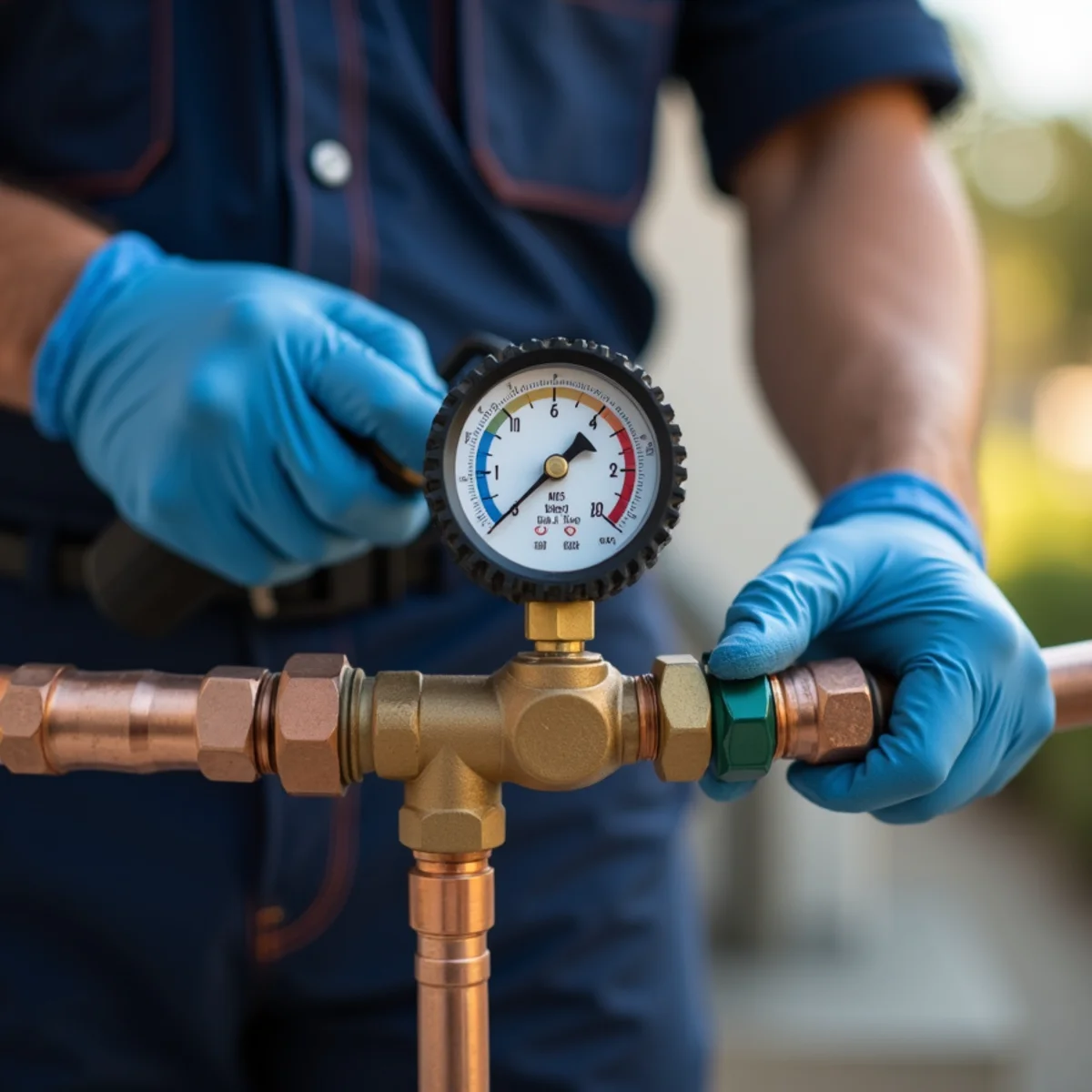
Because low and high pressure can share symptoms, we start with a measurement rather than an assumption. A gauge reading at an outside bib shows the actual pressure, and from there we trace whether the cause is the regulator, a restriction, or the incoming supply.
If pressure reads high, the regulator is usually the focus. If it reads low, we look for buildup, a partly closed valve, or a hidden leak drawing pressure off downstream. Testing first means the repair targets the real cause instead of guessing.
Pressure in hillside and custom homes
Some newer hillside and custom homes in the El Dorado Hills area may see higher incoming water pressure depending on elevation and the supply system. Left unchecked, high pressure can stress plumbing over time and contribute to leaks. A professional inspection can determine whether a regulator is present, working and set to a safe level, and whether your home would benefit from adjusting or adding one.
Areas We Serve
Water Pressure Repair for customers in El Dorado Hills and selected nearby communities:
Water Pressure FAQs
A drop can come from a failing pressure regulator, mineral buildup or corrosion in the pipes, a partly closed valve, or even a hidden leak. Measuring the actual pressure and checking these points usually reveals which one is responsible.
Yes. Pressure that is too high stresses pipes, joints, fixtures and appliances and can shorten their life or cause leaks. If your home has high supply pressure, a working pressure regulator helps keep it in a safe range.
A pressure-reducing valve lowers incoming supply to a level that is safe for household plumbing. Many homes have one, and homes with high street or elevation-driven pressure often benefit from having one that is present and functioning correctly.
That knocking, sometimes called water hammer, can be linked to high pressure among other causes. Checking the pressure and the regulator is a good starting point, and there are ways to reduce the noise once the underlying cause is identified.
The reliable way is to measure it with a gauge at an outside hose bib, which shows the real number rather than a guess based on how a shower feels. We take that reading as the first step, since it points the whole diagnosis in the right direction.
Not usually. When a single fixture is weak, the cause is often a clogged aerator, a worn cartridge, or a partly closed supply valve at that fixture rather than the whole home. If several fixtures are affected, the regulator or main supply is the more likely culprit.
Need Water Pressure in El Dorado Hills?
Call for current service availability, or send a request and we'll follow up to schedule an assessment.
For an active leak or urgent plumbing concern, call for current service availability.