

Low water pressure is a common and frustrating complaint. A shower that trickles, a faucet that takes forever to fill a pot, a washing machine that runs long, all can point to a pressure problem. The causes range from simple and inexpensive to significant.
This guide helps you narrow down the source by starting with one key question, then walks through the usual culprits at a single fixture and across the whole house. It also covers how to measure your pressure, what the timing of the problem reveals, and when low pressure may be a warning sign rather than a nuisance.
By the end you should be able to describe the problem clearly, which makes it easier to fix, whether you handle it yourself or call a plumber.
Is it one fixture or the whole house?
The most useful first step is to check whether low pressure affects a single fixture or the entire home. Turn on faucets in different rooms, the shower, and other fixtures, and note where the pressure is weak.
- One fixture affected: the cause is usually local to that fixture or its supply
- The whole house affected: the cause is usually upstream, in the main supply, pressure regulator, or a shared line
Why this matters
This one distinction narrows the search dramatically and saves time chasing the wrong cause. It is also the first thing a plumber will want to know.
How to measure your water pressure
Low pressure and low flow are related but not identical, and a simple test helps tell them apart. Pressure is the force behind the water; flow is how much comes out. A gauge measures pressure directly.
- Attach an inexpensive pressure gauge to an outdoor hose bib or a laundry connection
- Turn that tap fully on with other fixtures off for a baseline reading
- A commonly cited comfortable range is roughly 40 to 60 psi
Reading the result
If the gauge reads low across the house, the issue is likely pressure related, such as a regulator or supply problem. If pressure reads normal but a particular fixture still runs weak, the restriction is probably local to that fixture. This one test can save a lot of guesswork.
Common causes at a single fixture
Clogged aerator or showerhead
Mineral scale and debris collect in the small screen of a faucet aerator or the openings of a showerhead. In harder water this happens faster. Cleaning or replacing the aerator or showerhead often restores flow at a single fixture.
Partially closed valve
Each fixture usually has a shutoff valve beneath or behind it. If one is not fully open, perhaps after a recent repair, pressure at that fixture drops. Check that the supply valves are fully open.
Cartridge or fixture wear
Inside a faucet, a worn or clogged cartridge can restrict flow. On older fixtures, buildup within the valve body can do the same.
Common causes affecting the whole house
Main or meter valve not fully open
If the main house valve or the meter valve is only partly open, the whole home sees reduced pressure. This sometimes happens after work on the plumbing.
Failing pressure regulator
Many homes have a pressure-reducing valve where the supply enters. When it fails, it can send pressure too low across the whole house, or too high. A regulator problem is a common whole-house cause.
Pipe scale or corrosion
In older galvanized pipes, decades of internal scale and corrosion can narrow the passage and reduce flow throughout the home. This is more of a factor in older plumbing.
Supply-side issues
Sometimes lower pressure comes from the municipal supply or a shared line, especially during peak demand. If neighbors notice the same thing, the cause may be upstream of your home.
When only the hot water is weak
If cold water runs fine but hot water is weak throughout the house, the water heater side of the system deserves a look. Sediment buildup in a tank, a partly closed valve on the heater, or scale in the hot-water lines can all reduce hot-water flow while leaving the cold side normal.
Isolating hot from cold in this way is a quick and useful clue. It points toward the heater and its connections rather than the main supply, which narrows what a plumber needs to check.
What the timing tells you
How the problem appeared is as informative as where it appears. A drop that arrives suddenly usually has a different cause than one that has crept in over years.
- Sudden across the whole house: suspect a valve that was moved, a failed regulator, a supply-side issue, or a leak
- Gradual across the whole house: often scale or corrosion narrowing older pipes
- Sudden at one fixture: check for a dislodged aerator screen or a valve bumped during recent work
- Only at certain times of day: may reflect peak municipal demand rather than a fault in your home
Why the pattern helps
Matching the timing to the likely cause keeps you from replacing the wrong part. A sudden drop rarely comes from slow pipe corrosion, and a decade-long decline is unlikely to be a valve someone just closed. Noting when it started gives a plumber a strong head start.
How to narrow down the cause yourself
A few simple checks can point you in the right direction before you call anyone.
- Test several fixtures to confirm whether the issue is local or whole-house
- Check both hot and cold sides; if only hot is weak, the water heater or its valves may be involved
- Clean or inspect the aerator or showerhead at an affected fixture
- Confirm the main shutoff and any fixture valves are fully open
- Note whether the problem is new, gradual, or tied to certain times of day
Write down what you find
Keeping a short note of your findings helps a plumber diagnose the issue faster if the checks do not resolve it, and it can prevent repeating work you have already done. Details like which fixtures are affected, whether hot or cold is worse, and a gauge reading if you took one all give a professional a useful head start.
When to call a professional
If the simple checks do not restore pressure, or if the problem affects the whole house, it is reasonable to bring in a plumber. A professional can test your pressure, inspect the regulator, and check for leaks or pipe issues that are not visible.
Some El Dorado Hills homes, particularly larger or hillside properties, have pressure regulators and longer supply runs that can complicate the picture. A professional can measure the actual pressure and determine whether a regulator, a leak, or the piping is responsible, depending on your system. If only the hot water is weak, they can also check whether the water heater or its connections are contributing.
Need a plumber in El Dorado Hills?
Wedlisse Plumbers helps homeowners across El Dorado Hills and nearby communities. Call or request service any time.
Frequently asked questions
A single weak fixture usually points to a clogged aerator or showerhead, a partly closed supply valve, or a worn cartridge inside the faucet. Cleaning the aerator or opening the valve fully often helps.
Whole-house drops often trace to a main or meter valve that is not fully open, a failing pressure regulator, pipe scale in older plumbing, or a supply-side issue. A sudden drop can also signal a leak worth ruling out.
A commonly cited comfortable range is roughly 40 to 60 psi, and many codes flag anything above 80 psi as too high. An inexpensive gauge on an outdoor hose bib gives you a quick reading to compare against.
It can. A sudden, unexplained drop, wet spots in the yard, or a meter that moves with everything off can point to a leak in the supply line. Professional leak detection may be needed to locate a hidden one.
It depends on the cause. Cleaning a clogged aerator or fully opening a valve can help at one fixture. A whole-house issue may involve adjusting or replacing a failed pressure regulator, clearing scaled pipes, or fixing a leak, which usually calls for a plumber to diagnose first.
Sometimes. Cleaning an aerator or opening a valve is straightforward. Whole-house causes like a failing regulator, pipe corrosion, or a hidden leak usually call for a plumber to diagnose and repair.
Related articles
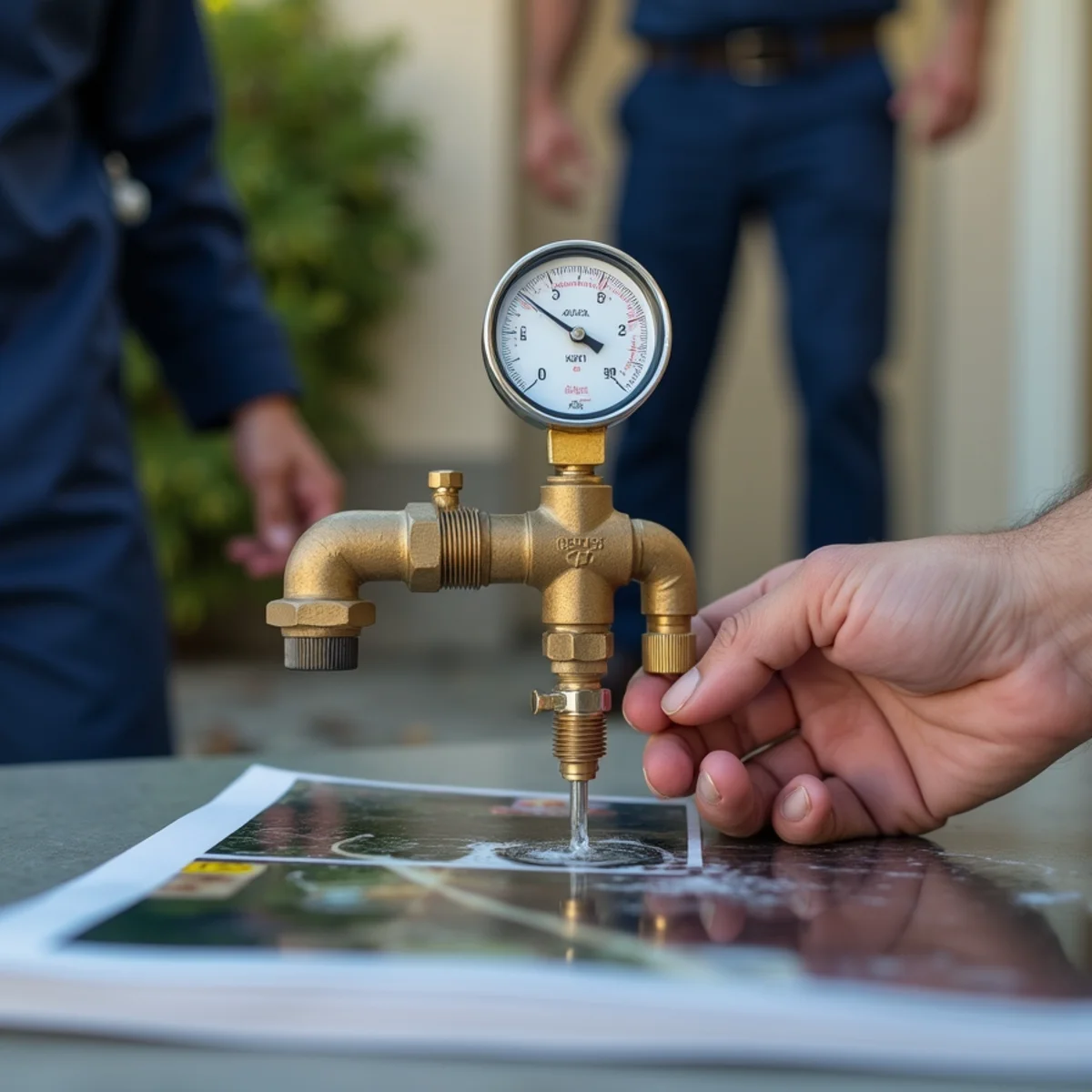
Can High Water Pressure Damage Plumbing?
Strong pressure can feel great, but too much strains pipes, fixtures, and appliances. Here is what counts as high, the signs, and how to fix it.
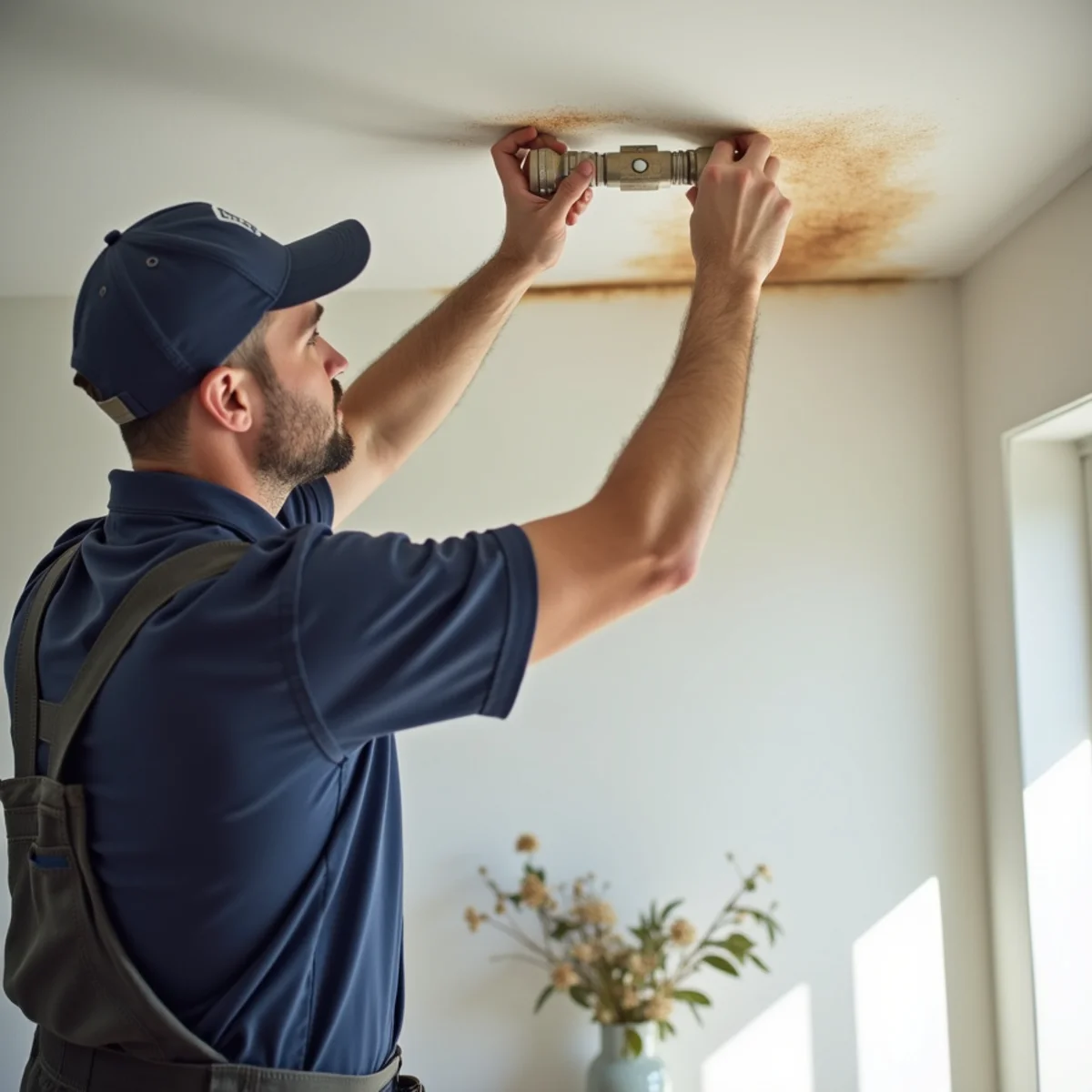
Seven Signs You May Have a Hidden Water Leak
A hidden leak can quietly raise your bill and damage your home for weeks. Here are seven signs worth watching for, and how to check if water is escaping unseen.
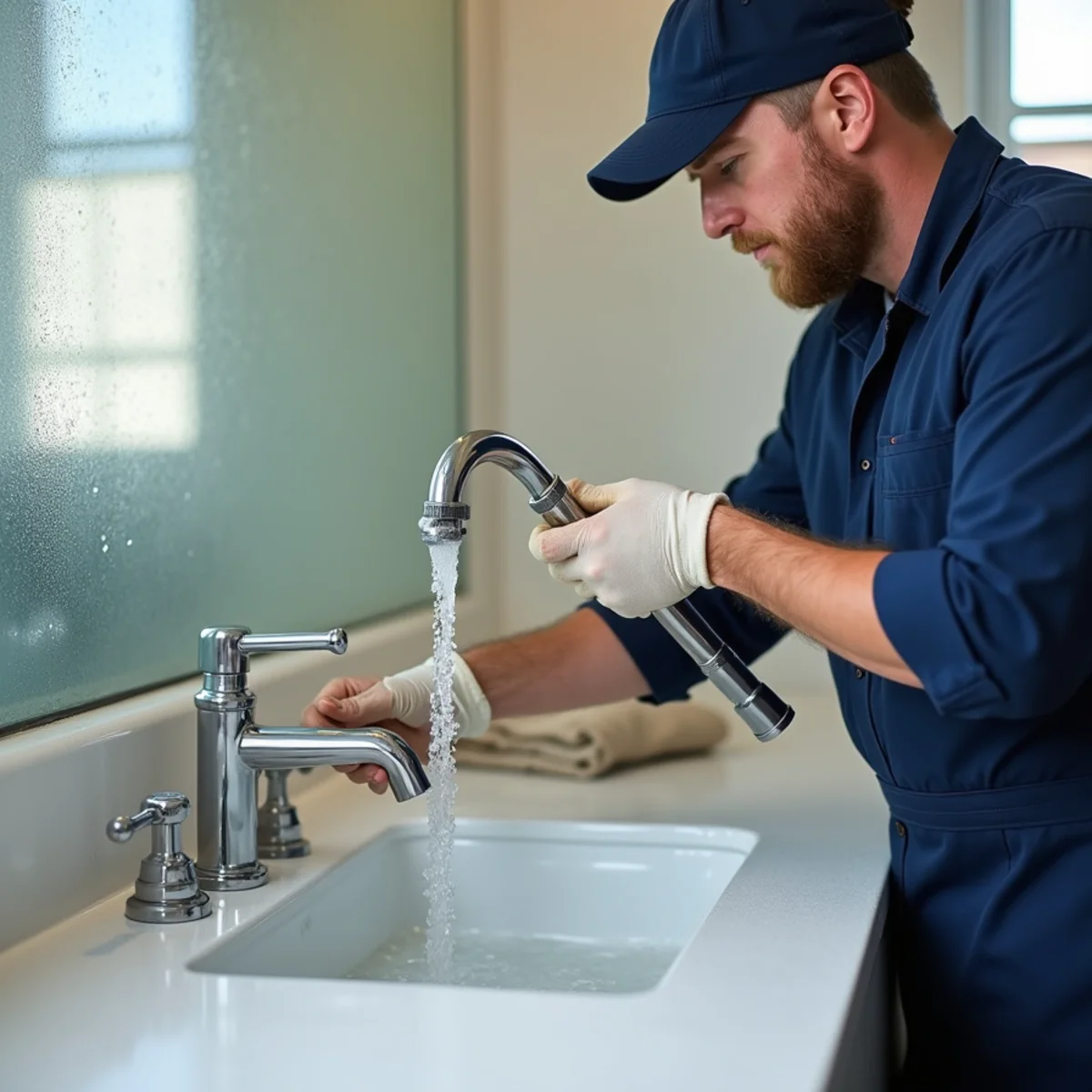
Common Signs of Hard Water in a Home
Spotty dishes, filmy glass, and stiff laundry can all point to hard water. Here is how to recognize the signs and what to do once you know.