
Seven Signs You May Have a Hidden Water Leak
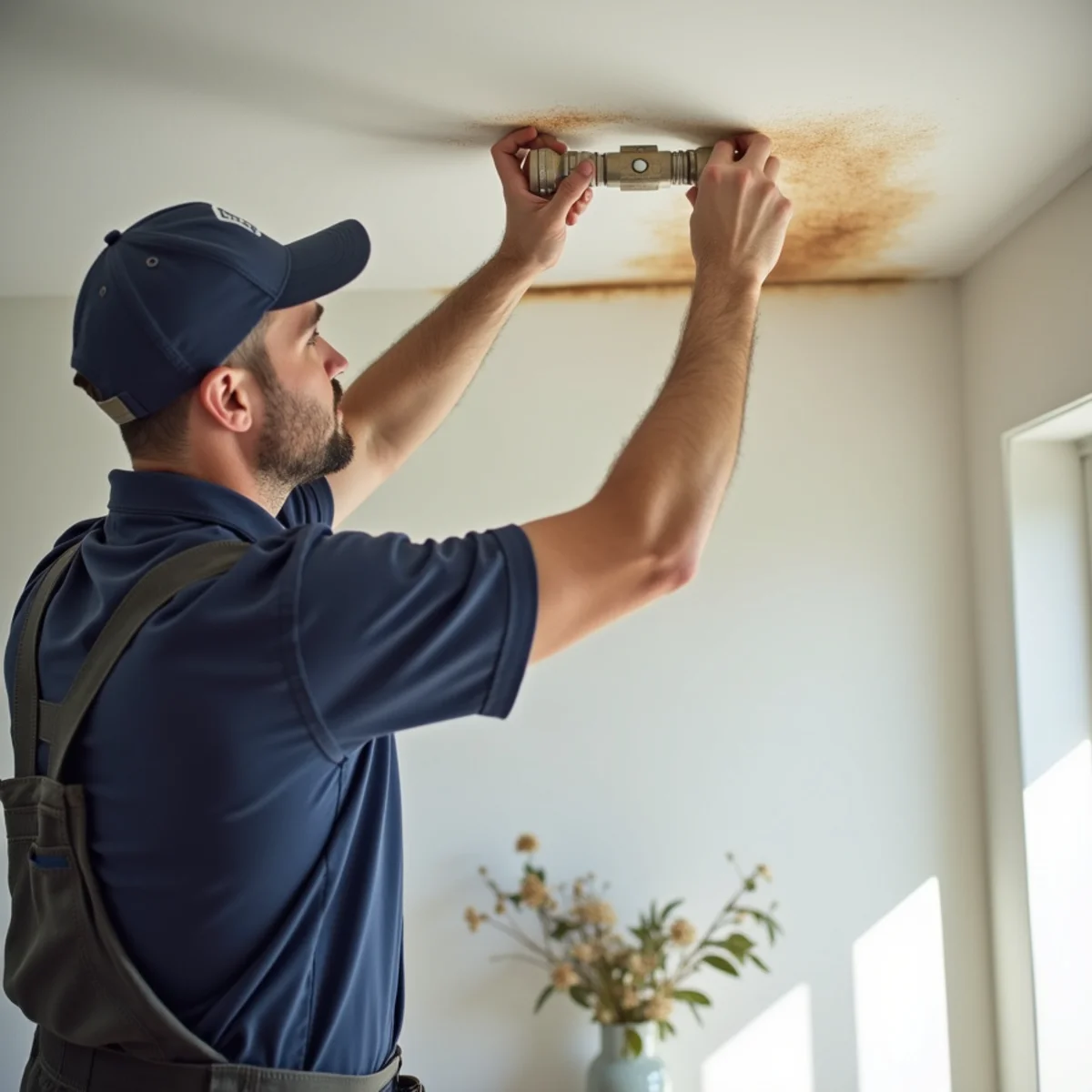
Not every leak announces itself with a puddle. Many happen inside walls, under floors, or beneath a slab, where water can escape for weeks before anyone notices.
Left alone, a hidden leak can raise your water bill, damage building materials, and create conditions where mold takes hold. Catching one early usually means a smaller repair and less disruption, which is why it pays to know what the early signals look like.
This guide covers where hidden leaks tend to begin, seven signs that water may be escaping somewhere you cannot see, and a simple way to confirm a leak with your water meter. None of these signs is proof on its own, but together they build a picture worth acting on.
1. A water bill that climbs without explanation
One of the clearest signals of a hidden leak is a bill that rises while your habits stay the same. If no one added a long shower routine or filled a pool, a steady climb may point to water escaping somewhere.
Comparing a few months of statements helps you separate a real trend from normal seasonal swings, such as extra summer irrigation. Some utilities also offer online usage tracking, which can show whether water is being used steadily overnight, when the house should be quiet, a pattern that often points to a leak.
2. The sound of running water when everything is off
In a quiet house with every faucet closed, you should not hear water moving. A faint hiss, trickle, or drip inside a wall or under the floor can mean a supply line is leaking.
Try listening near walls, along the base of cabinets, and close to where pipes run. A persistent sound with no fixture running deserves a closer look.
For a clearer check, pick a quiet time such as late evening, silence appliances like the dishwasher and ice maker, and move slowly from room to room. A sound that grows louder in one spot can help point toward where the water is escaping, even before any stain appears.
3. Stains, discoloration, or peeling finishes
Water that escapes behind a surface often leaves a mark before it becomes visible directly. Yellow or brown stains on a ceiling or wall, bubbling paint, or peeling wallpaper can all trace back to moisture moving through the material.
A stain that grows over days, or one that reappears after you paint over it, is especially telling. Water tends to travel along framing before it surfaces, so the visible mark is often lower or to the side of the actual leak rather than directly beneath it.
- Rings or blotches on ceilings, especially under bathrooms
- Paint or wallpaper that bubbles, cracks, or peels
- Warped or soft spots in drywall or trim
4. A musty smell or visible mold
Persistent dampness has a distinct earthy, musty odor. If a room, closet, or cabinet smells musty even after cleaning, trapped moisture from a leak may be feeding it.
Visible mold along baseboards, under sinks, or in corners is a stronger sign that a surface has stayed wet longer than it should. Mold needs only a steady source of moisture to take hold, which is why finding it often means tracing back to a slow leak rather than a one-time spill.
5. Warm spots or damage on the floor
A leak in a hot water line running under a slab can create a warm area on the floor above it. You might notice it walking barefoot, or see flooring that has buckled, cupped, or loosened in one spot. Baseboards that feel damp, or a carpet that stays inexplicably moist in one area, can point the same direction.
In homes built on a slab, this kind of clue can point to a slab leak, which a professional can confirm with specialized equipment rather than guesswork. Because the pipe is encased in concrete, this is not a leak a homeowner can easily locate or reach, so an early, accurate diagnosis matters.
6. Reduced water pressure
When water escapes before it reaches your fixtures, pressure at the tap can drop. A gradual decline across the whole house, rather than at one faucet, may reflect water leaving the system through a leak.
Pressure changes have several possible causes, from a failing regulator to mineral buildup, so this sign is most meaningful when it appears alongside others on this list. On its own it is a prompt to look closer rather than a diagnosis.
7. Unusually green or soggy patches outdoors
Not all leaks are indoors. A buried supply or irrigation line that leaks can leave a patch of lawn that stays greener, lusher, or soggier than the area around it, even without recent watering.
Sunken soil, pooling water, or a section of yard that never seems to dry out can all point to water escaping underground. Irrigation systems are a common culprit here, since a cracked line or a failed valve can run unnoticed while the rest of the yard looks normal.
Confirm a leak with your water meter and a toilet test
If you suspect a leak but cannot pin it down, your water meter can help confirm it. This quick test measures whether water is moving while everything is off, and it needs no special tools. It is one of the more reliable ways to separate a real leak from a false alarm.
- Turn off every water-using fixture and appliance in and around the home
- Find your water meter and note the reading, or watch the small leak indicator dial if it has one
- Wait one to two hours without using any water, then check again
- If the reading changed or the indicator moved, water is likely escaping somewhere
A quick toilet dye test
Because toilets are a common silent leak, it is worth checking them separately. Put a few drops of food coloring in the tank, wait about fifteen minutes without flushing, and look in the bowl. If color has seeped into the bowl, the flapper or seal is letting water through and should be replaced.
If the signs point to a leak
Finding one or two of these signs does not always mean a serious problem, but it is worth acting on rather than waiting to see if it worsens. A hidden leak rarely improves on its own, and the damage tends to grow the longer water runs.
If your checks point to a leak you cannot locate, professional leak detection can narrow the source using moisture meters, acoustic listening, and other tools, so any repair is targeted instead of exploratory. Catching a leak while it is small usually means a simpler, less invasive fix, so it is reasonable to reach out to a local plumber when the signs add up.
Need a plumber in El Dorado Hills?
Wedlisse Plumbers helps homeowners across El Dorado Hills and nearby communities. Call or request service any time.
Frequently asked questions
Look for stains, bubbling paint, a musty smell, or soft drywall, and listen for running water when fixtures are off. A plumber can confirm the source with moisture meters or acoustic tools without opening the wall blindly.
Yes. A slow leak that runs for weeks can rot framing, ruin drywall, and encourage mold, often causing more cumulative damage than a fast leak that gets fixed right away.
Modest seasonal changes are common, especially with summer irrigation. A sharp or steady rise with no change in habits is more likely to signal a leak worth investigating.
It is usually better to have the source located first. Professional leak detection can narrow down the spot so any opening is small and targeted, rather than exploratory.
Add a few drops of food coloring to the tank and wait about fifteen minutes without flushing. If color appears in the bowl, the flapper or seal is leaking, which is a common and easily fixed source of a silent leak.
It can. When water escapes before reaching your fixtures, pressure at the tap may fall, usually across the whole house. Because a failing regulator or mineral buildup can do the same, a pressure drop is most telling alongside other leak signs.
Related articles
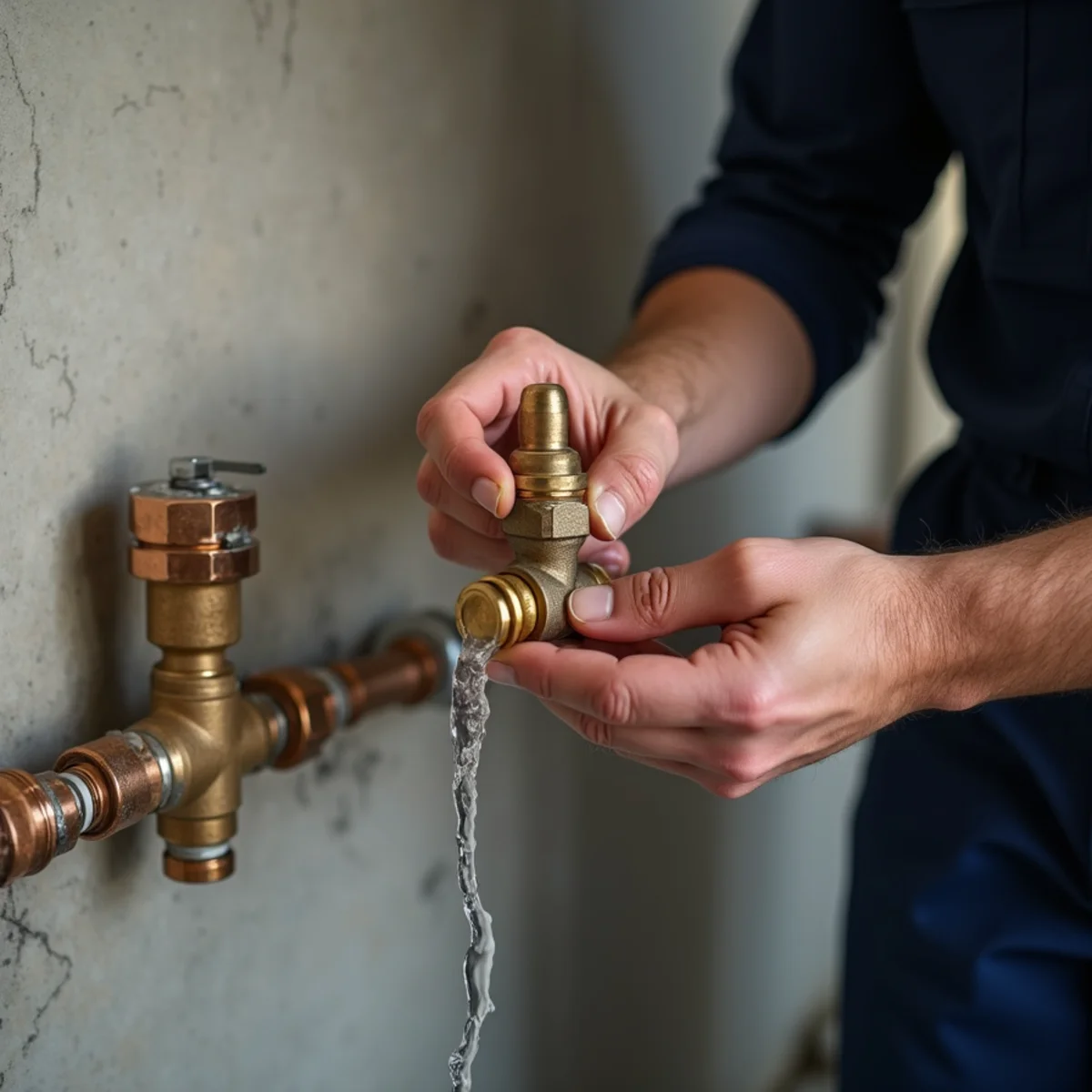
What to Do When a Pipe Bursts in Your Home
A burst pipe can release gallons of water in minutes. Here is a calm, step-by-step plan to stop the flow, limit damage, and decide when to call a plumber.

How to Find and Use Your Main Water Shutoff Valve
Knowing where your main shutoff is, and how to use it, can turn a flood into a minor cleanup. Here is how to find, identify, and test yours before you need it.