
What to Do When a Pipe Bursts in Your Home
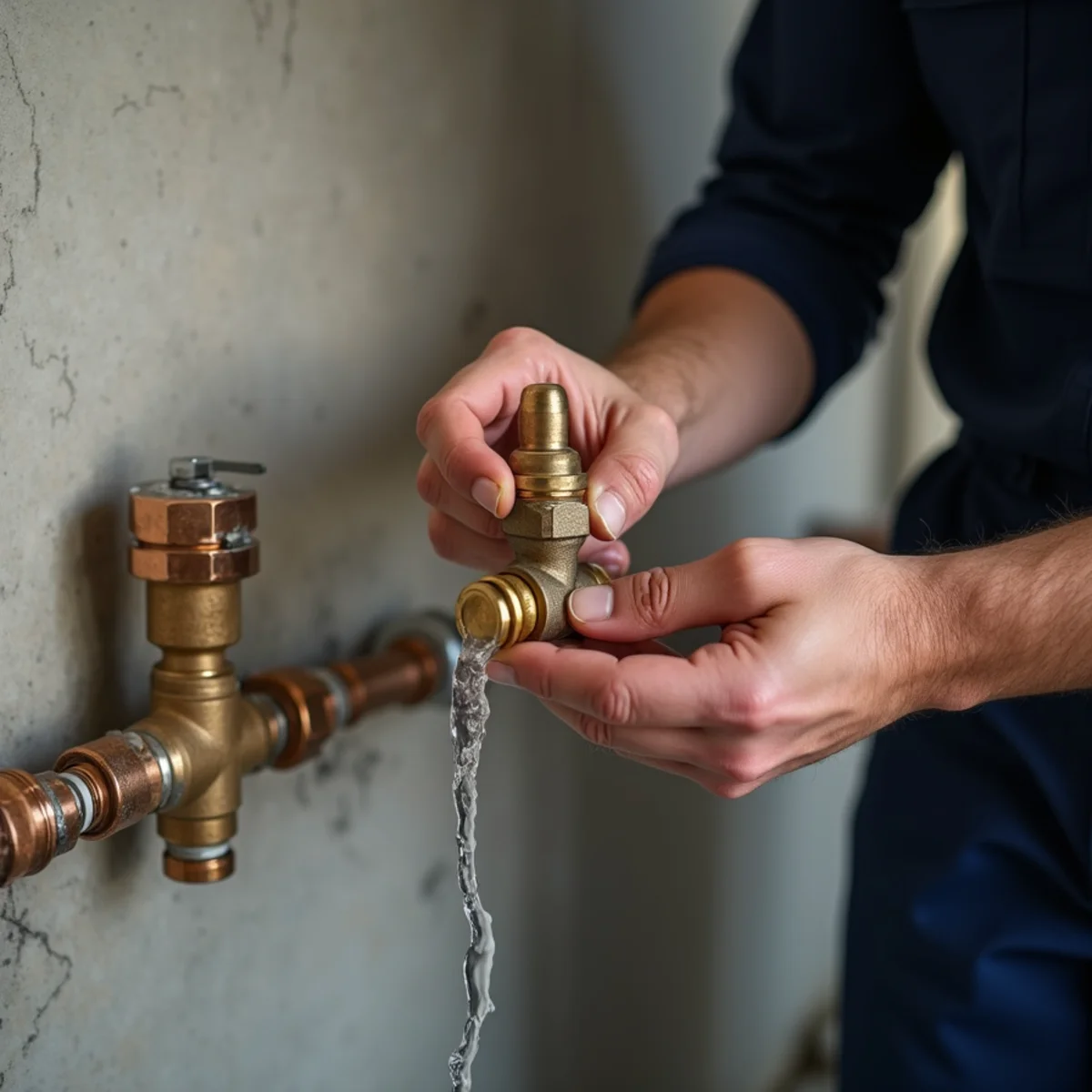
Few household problems feel as urgent as a pipe that has suddenly split open. A supply line under pressure can release many gallons a minute, and the choices you make in the first few minutes often shape how much cleanup follows and how far the water travels into floors, walls, and belongings.
The good news is that most homeowners can take meaningful action right away, even without any plumbing experience. The key is knowing the order of steps ahead of time so you are not improvising while water spreads. Stopping the source comes before towels, and personal safety comes before property.
This guide walks through what to do the moment a pipe bursts, how to protect people and the home, how to document the damage for an insurance claim, why pipes fail in the first place, and how to tell when a situation has moved beyond a do-it-yourself fix.
The first five minutes: a calm order of operations
A burst pipe is loud and alarming, but the response that limits the most damage is orderly rather than frantic. The natural instinct is to grab towels, yet water keeps arriving until the supply is off. Fixing the sequence of your response in advance is what turns a potential flood into a manageable cleanup.
The steps below move from stopping the source, to protecting people, to protecting the home, to sorting out repairs. You do not need tools or plumbing experience for the first several steps, only a clear head and a rough idea of where your main shutoff valve and breaker panel are located.
The response in order
- Shut off the water at the nearest valve, or the main valve if you cannot isolate it
- Keep clear of any water near outlets, appliances, or the electrical panel
- Open faucets to drain the lines and relieve pressure on the break
- Move belongings, soak up standing water, and photograph the damage
- Call a plumber for any break inside a wall, ceiling, or slab
Shut off the water first
Before you reach for towels or buckets, stop the source. Turning off the water supply is the single most effective way to limit damage, and everything else is easier once the flow has stopped.
If the burst is at a single fixture, such as under a sink or behind a toilet, look for the small shutoff valve on the supply line and turn it clockwise until it stops. If you cannot isolate the leak that way, or if water is coming from inside a wall or ceiling, go straight to your main water shutoff valve and close it.
- Fixture shutoffs are usually small oval or round handles on the wall behind the fixture
- The main shutoff is often in the garage, a utility area, near the water heater, or outside along the foundation
- Homes in the El Dorado Hills area may also have a valve at the meter box near the street, which usually needs a meter key
- A ball valve closes with a quarter turn; an older gate valve needs several full turns clockwise
Cut the power if water is near electrical
Water and electricity are a dangerous combination. If water is spreading toward outlets, light fixtures, appliances, or an electrical panel, and you can reach the breaker safely without standing in water, switch off power to the affected area.
If you would have to stand in water to reach the panel, do not risk it. Stay clear and contact a professional. Personal safety always comes before property.
The same caution applies to any electronics or appliances sitting in the path of the water. Unplug what you can reach safely from a dry spot, and leave anything you cannot reach without stepping into the wet area.
Drain the remaining water in the lines
Even after the supply is off, water already sitting in the pipes can keep draining out of the break. Opening faucets helps relieve that pressure and empties the lines faster, so the drip at the break slows to a stop.
- Open cold taps throughout the house to drain the system
- Flush toilets once to clear water from the tanks
- If the burst is on a hot line, opening hot taps helps too, and turning the water heater to its off or pilot setting can prevent it from running dry
- Leave the faucets open until the break stops weeping, then close them
Contain, dry out, and document the damage
With the flow stopped, shift to protecting your home. Move furniture, rugs, electronics, and valuables away from the wet area, and lift anything you can off a soaked floor.
Before you clean everything up, take photos and short videos of the damage. Clear documentation can matter later if you file an insurance claim, and it costs only a minute. Once the pictures are taken, focus on drying, because standing moisture is what leads to mold and warped materials over the following days.
- Soak up standing water with towels, a mop, or a wet-dry vacuum
- Place buckets under active drips and lay towels along the edges of the spread
- Open windows and run fans or a dehumidifier to start drying and reduce the chance of mold
- Pull back wet carpet and lift furniture legs onto blocks or foil to protect them
Filing an insurance claim after a burst pipe
Sudden water damage from a burst pipe is covered by many homeowners policies, though the details vary and slow, gradual leaks are often treated differently from a sudden rupture. The stronger your documentation, the smoother a claim tends to go, which is why photos and notes taken before cleanup are worth the minute they cost.
Keep a simple record of what happened and when, hold on to receipts for any emergency drying or equipment, and save the plumber's repair invoice describing the cause and the fix. If you are unsure what your policy covers, your insurer can walk you through it before you commit to major restoration work.
- Photograph and video the source, the standing water, and every affected room before drying out
- Note the date, the time, and what you did to stop the water
- Save receipts for supplies, equipment rental, or professional drying
- Keep the plumber's invoice that describes the cause and the repair
Understand why the pipe failed
Knowing the likely cause can help you and a plumber prevent a repeat. Pipes rarely burst without a reason, and several common triggers show up in homes across a range of ages.
Corrosion and age
Older metal pipes can thin from the inside over years of use. A section that has corroded may give way under normal pressure, sometimes at a joint or a low point in the run where water sits.
High water pressure
Pressure that runs higher than a home's plumbing is designed for can stress pipes and fittings over time. In hillside and custom homes, water pressure can sometimes sit above the range many fixtures prefer, so having it checked may be worthwhile.
Temperature and movement
A cold snap can freeze water in an exposed or poorly insulated pipe, and the expansion can split it, often showing up as a burst once the ice thaws. Ground and slab movement over dry-summer and wet-winter cycles can also stress lines gradually until a weak point fails.
Reduce the risk of a future burst
Once the immediate crisis is handled, it is worth thinking about why the failure happened and how to make a repeat less likely. Many bursts trace back to conditions that can be monitored or corrected before they cause trouble.
A plumber can check your water pressure, inspect aging sections of pipe, and point out spots that may be vulnerable to freezing. Small preventive steps often cost far less than the cleanup after a break, and they are easier to plan for when there is no emergency underway.
- Have your water pressure tested, and add a pressure regulator if it runs high
- Insulate pipes in unheated spaces such as garages, crawl spaces, and along exterior walls
- Address slow leaks and visible corrosion early, before they progress to a rupture
- Consider an automatic leak-detection or smart shutoff device, especially if the home is sometimes left empty
- Keep the path to your main shutoff clear so you can reach it without hunting for it
When to call a plumber
A tightened fixture connection or a replaced supply hose may be within reach for a confident homeowner. A pipe that has split inside a wall, under a slab, or in a ceiling is a different matter and generally calls for a professional who can access and repair it properly.
If you cannot find the source, cannot stop the water, or see signs of hidden damage such as sagging drywall or spreading stains, it is reasonable to reach out to a local plumber who can locate the break and make a lasting repair.
It also helps to have the surrounding area checked even after the visible leak is fixed. Water can travel along framing and settle far from the break, so a professional may look for trapped moisture that could otherwise lead to mold or rot down the line. Acting sooner tends to keep both the repair and the affected area smaller.
Need a plumber in El Dorado Hills?
Wedlisse Plumbers helps homeowners across El Dorado Hills and nearby communities. Call or request service any time.
Frequently asked questions
It varies with pipe size and pressure, but a supply line can release many gallons per minute. That is why shutting off the water quickly makes such a large difference in the amount of damage.
If the burst is on a hot line or you have shut off the main supply, switching the heater to its off or pilot setting helps prevent it from running dry and being damaged while the water is off.
Pipe repair tape or a clamp may slow a small leak briefly, but it is a stopgap, not a repair. Keep the water off and have the section properly repaired rather than relying on a patch.
Many policies cover sudden water damage from a burst pipe, though coverage varies and gradual leaks are often handled differently. Documenting the damage with photos and keeping repair records can help if you decide to file a claim.
Watch for a sudden drop in water pressure, the sound of running water when everything is off, damp or discolored drywall, or a spike at your water meter. A burst inside a wall does not always reach the floor right away, so these quieter clues matter.
Insulating exposed pipes, sealing drafts near plumbing, and keeping the home above freezing can lower the risk of a frozen pipe splitting. During a cold snap, letting a faucet drip slightly relieves pressure, though not every burst is freeze-related.
Related articles
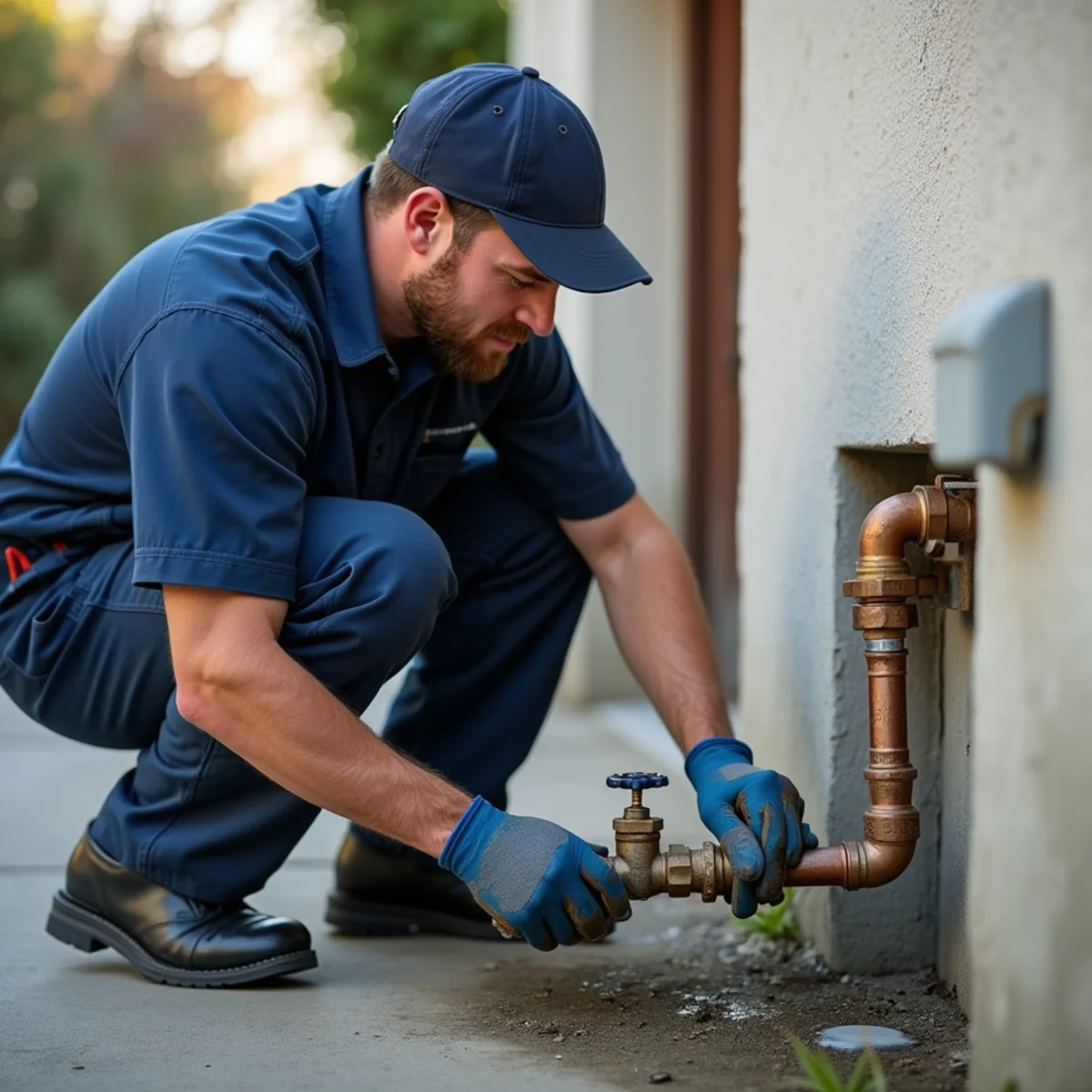
How to Find and Use Your Main Water Shutoff Valve
Knowing where your main shutoff is, and how to use it, can turn a flood into a minor cleanup. Here is how to find, identify, and test yours before you need it.
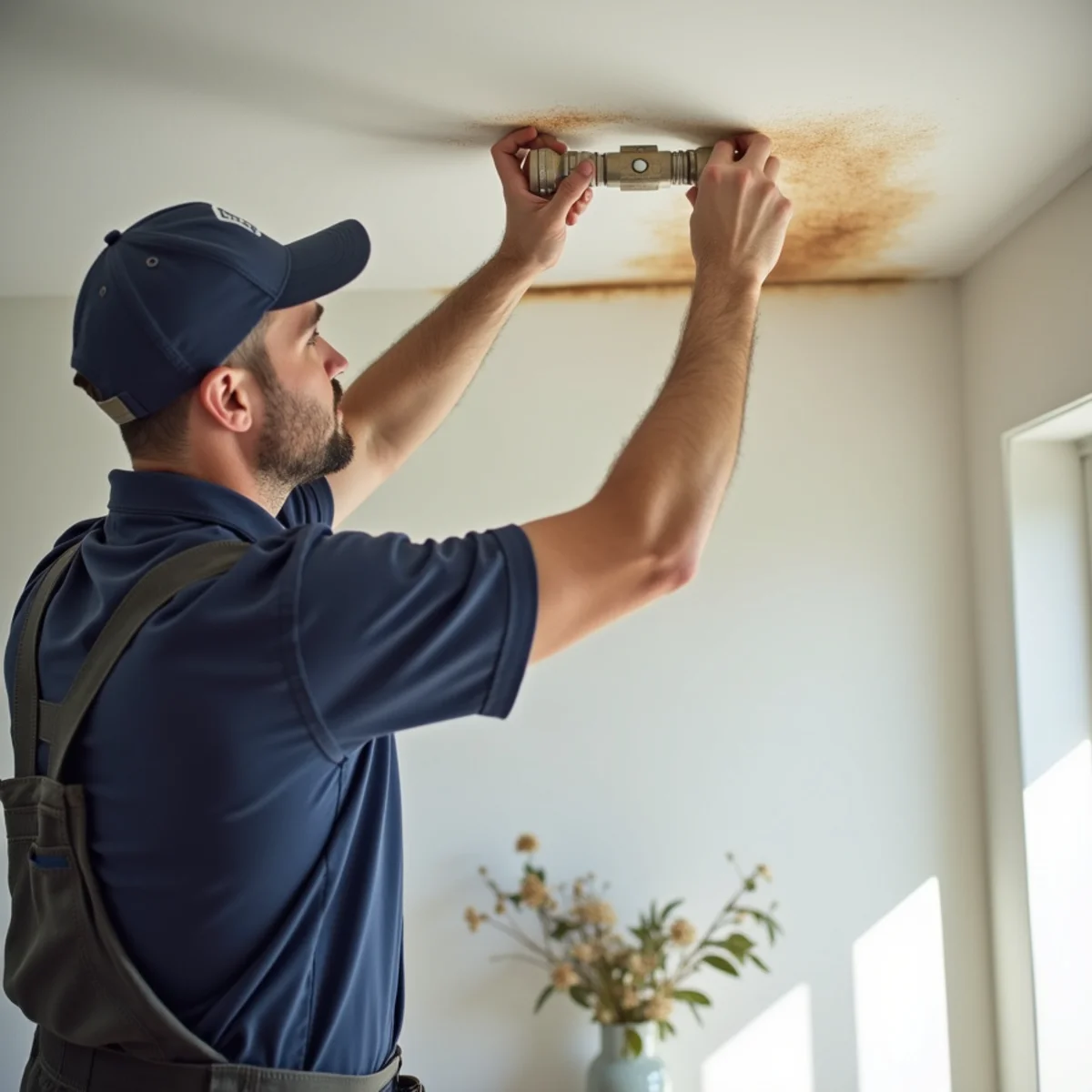
Seven Signs You May Have a Hidden Water Leak
A hidden leak can quietly raise your bill and damage your home for weeks. Here are seven signs worth watching for, and how to check if water is escaping unseen.