
How to Find and Use Your Main Water Shutoff Valve
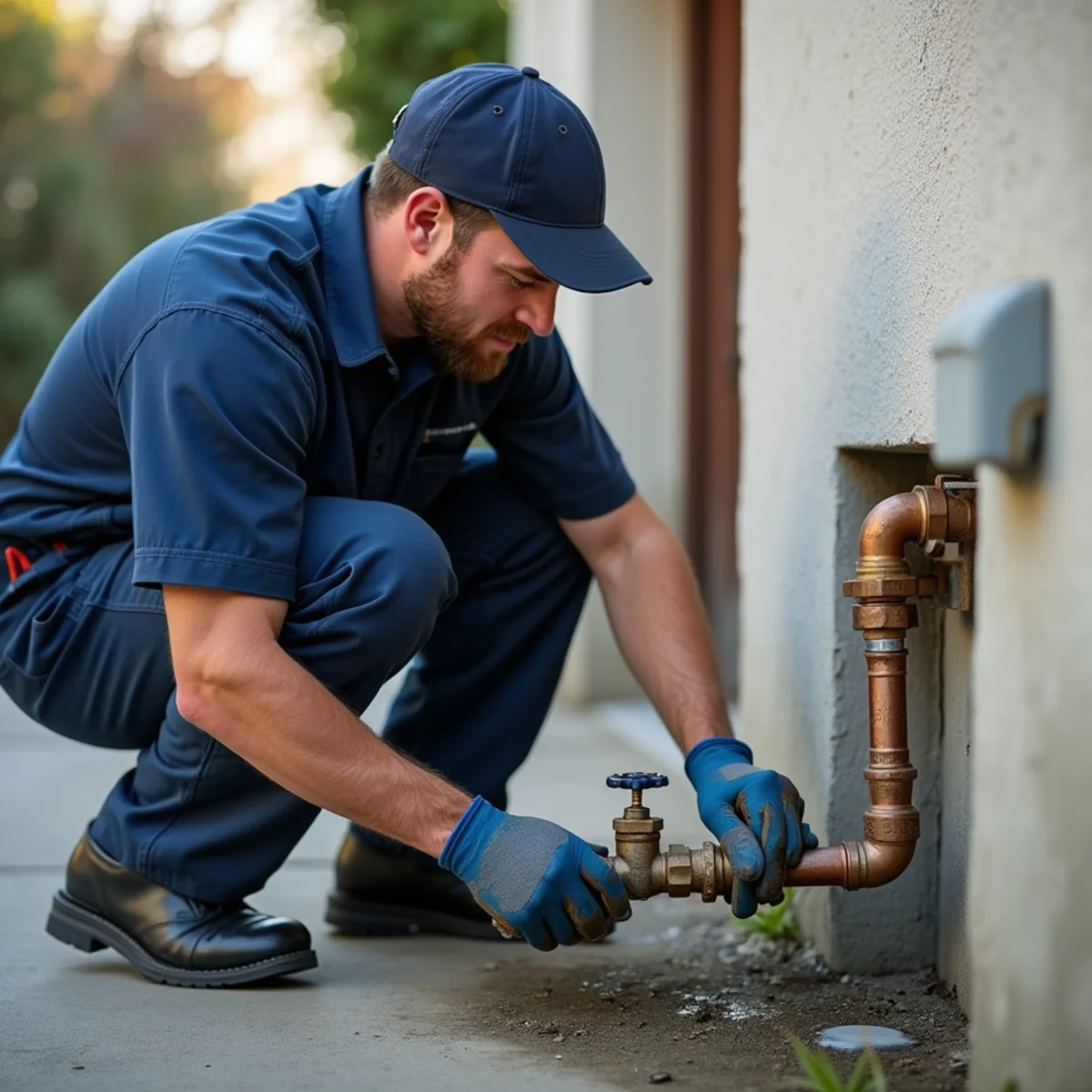
When water is spraying from a burst pipe or a fixture will not stop running, the single most useful thing you can do is shut off the water. Yet in the moment, many homeowners realize they have never located their main shutoff valve.
Finding it during a calm afternoon is far easier than searching during an emergency with water spreading across the floor. Once you know where it is and how it turns, stopping the water becomes a task that takes seconds rather than a frantic hunt.
This guide walks through where to look, how to recognize the common valve types, how to shut the water off and turn it back on safely, and why a five-minute test today can save hours of cleanup later.
Why the main shutoff matters
Stopping the water supply quickly limits how much reaches your floors, walls, and belongings. Minutes matter, and the difference between a few towels and a restoration crew often comes down to how fast the water stops.
A single main valve controls water to the entire house, which makes it the reliable fallback when you cannot isolate a leak at one fixture. Learning its location now means one less thing to figure out under pressure.
It is also useful for planned work, not just emergencies. Any time you replace a faucet, swap out a supply line, or take on a project that opens the plumbing, shutting the water at the main keeps the job dry and controlled.
Where to look for your main valve
Homes in the El Dorado Hills area typically have a main shutoff in one of a few places, and the foundation type is often a clue. The exact spot depends on how and when the house was built, so it helps to check each likely location on a calm day rather than during a leak.
- Inside the garage, often on a wall near the front of the house
- In a utility room, laundry area, or near the water heater where the supply line enters
- In a basement or crawl space just past where the line comes through the foundation
- On a slab-built home, commonly along an exterior wall, in the mechanical area, or under a sink where the line enters
- At the water meter box near the street, which usually requires a meter key
Interior valve versus the meter valve
Many homes have two options: a house-side valve where the supply enters the home, and a valve at the meter that the water utility uses. Both stop the water, but they serve different roles.
House-side valve
This is usually the faster choice in an emergency because it needs no special tool and is often easier to reach. It is the one worth locating and testing first.
Meter valve
The valve at the meter is a backup if the house valve fails, leaks, or cannot be found. It typically sits in a covered box near the street and often needs a meter key or a wrench to turn. Some utilities prefer that homeowners not operate the meter valve, so treat it as a last resort and handle it gently, since the box can also house pests or debris.
How to recognize and operate each valve type
Once you find the valve, knowing its design tells you how to close it. There are two common types, and they turn off differently, so it helps to recognize which one you have before an emergency rather than during it.
Ball valve
This has a straight lever handle. Turn it a quarter turn so the lever sits perpendicular to the pipe, and the water stops. Ball valves are simple and tend to stay reliable over time, which is why they are a common upgrade choice.
Gate valve
This has a round wheel handle. Turn it clockwise through several full rotations to close it. Gate valves can stiffen or seize with age, so turn gently and stop if it resists sharply rather than forcing it, since a broken valve can turn a small task into a real problem.
Shutting off the water quickly in an emergency
When a leak is underway, a clear sequence keeps things calm. The goal is to stop the flow first, then relieve the pressure still sitting in the lines so the break stops weeping.
- Go straight to the main valve and close it fully, a quarter turn for a ball valve or several turns clockwise for a gate valve
- Open a few faucets at the lowest and highest points in the house to drain the remaining water
- Switch the water heater to off or pilot if the supply will be off for a while
- Confirm the flow has stopped at the leak before moving on to cleanup
Turning the water back on safely
Restoring water too quickly can send a pressure surge through the system and reveal, or worsen, a weak spot. Bringing it back gradually lets you catch any lingering problem before it becomes a second leak.
Open the valve slowly rather than all at once, and listen and look for anything unusual as the system refills. Air in the lines is normal at first and usually clears after a minute of running the taps.
- Close the faucets you opened, leaving one or two cracked to let air escape
- Open the main valve slowly and let the system pressurize gradually
- Check under sinks, around the valve, and at the repaired area for new drips
- Turn the water heater back to its normal setting once the tank is full and pressurized
Do not forget the fixture shutoffs
The main valve stops water to the whole house, but many everyday problems can be handled at a smaller valve much closer to the source. Most sinks, toilets, and water-using appliances have their own shutoff on the supply line feeding them.
Using a fixture shutoff lets you fix a running toilet or a dripping faucet without cutting water to the rest of the home. Knowing these valves exist, and confirming they still turn, gives you a faster and less disruptive option for localized problems.
- Toilets usually have a valve on the wall behind or beside the base
- Sinks have valves under the cabinet, often one each for hot and cold
- Refrigerators, dishwashers, and washing machines commonly have their own shutoffs
- Like the main valve, these can seize over time, so an occasional test keeps them ready
Test and maintain your valve
A shutoff valve that has not moved in years can seize in place, which is exactly when you least want to discover it. A brief test once or twice a year keeps it working and confirms you can still find it.
To test it, close the valve, then open a faucet inside the house. The flow should slow to a stop or a trickle within a short time. Turn the valve back on slowly, and check under sinks and around the valve for any new drips.
If you notice the handle is corroded, hard to grip, or leaves your hand damp after turning it, treat that as a sign the valve is aging. It is far better to learn about a failing valve during a calm test than during a real leak.
- Label the valve so anyone in the household can find it quickly
- Make sure the area around it stays clear and reachable
- If the handle is hard to turn or weeps water, consider having it replaced before an emergency
Consider an upgrade for added peace of mind
If your main valve is an aging gate valve, replacing it with a modern quarter-turn ball valve can make future shutoffs faster and more reliable. A plumber can handle this as a straightforward job.
Some homeowners, especially those with larger or occasionally empty homes, also look into automatic smart shutoff devices that can detect a leak and close the water on their own. These may be worth exploring depending on your home and how it is used.
Whatever type of valve you have, the most valuable thing is simply knowing where it is and being confident you can operate it. A few minutes spent locating and testing it now can spare you a frantic search later, and a plumber can help if you are unsure which valve serves the house or how to work it safely.
Need a plumber in El Dorado Hills?
Wedlisse Plumbers helps homeowners across El Dorado Hills and nearby communities. Call or request service any time.
Frequently asked questions
Use the interior house-side valve when you can, since it is faster and needs no tool. The meter valve is a backup if the house valve fails or cannot be found.
Turning it off and on once or twice a year keeps it from seizing and confirms it still works. If it is hard to turn, consider having it replaced before you need it.
Older gate valves often stiffen from mineral buildup and age. Do not force a stuck valve, which can break it or cause a leak. A plumber can replace it with an easier-to-use design.
Check the garage, utility areas, near the water heater, and along the foundation first. If it still cannot be located, a plumber can identify it during a visit and, if helpful, add an accessible interior valve.
It is usually either a lever handle you turn a quarter turn, or a round wheel you turn several times clockwise. It sits on the main supply line, often where the water enters the home or at the meter.
For a brief shutoff you usually do not. If the water will be off for a while, switching the heater to off or pilot prevents it from running dry, and you can return it to normal once the tank refills.
Related articles
What to Do When a Pipe Bursts in Your Home
A burst pipe can release gallons of water in minutes. Here is a calm, step-by-step plan to stop the flow, limit damage, and decide when to call a plumber.
Seven Signs You May Have a Hidden Water Leak
A hidden leak can quietly raise your bill and damage your home for weeks. Here are seven signs worth watching for, and how to check if water is escaping unseen.