
Why Is My Water Heater Making a Rumbling Sound?

A water heater that rumbles, pops, or knocks can be unsettling, especially when the sound seems to come out of nowhere. In most cases the noise is not the tank about to fail, but it is often a sign that something inside deserves attention.
This article explains the most common reason a tank rumbles, how to work out what your particular noise is, what other sounds can mean, and when the sound is worth acting on. It also covers what you can safely check yourself and what is better left to a professional.
Understanding the cause can help you decide whether this is routine maintenance or something that needs a closer look, and it can save you from worrying about a noise that is often manageable.
What a rumbling water heater is usually telling you
The most common cause of a rumbling or popping sound in a storage tank water heater is sediment on the bottom of the tank. As water heats, bubbles form beneath and within a layer of settled mineral debris. When those bubbles escape, they produce a rumble, pop, or knock, a bit like water boiling under a lid.
In other words, the noise is often the sound of the heater working harder to push heat through a layer of accumulated sediment. It tends to be more noticeable during and shortly after a heating cycle.
The sound often gets louder as a unit ages, because the sediment layer thickens year over year. A brand-new tank is usually quiet; a rumble that has developed gradually is a fairly reliable sign that sediment has been collecting for some time.
How sediment builds up
Water carries dissolved minerals, mainly calcium and magnesium. When water is heated, some of those minerals separate out and settle at the bottom of the tank as sediment. The harder the water, the faster this can happen.
Over months and years the layer thickens. On a gas water heater, the burner sits beneath the tank, so the sediment forms an insulating barrier between the flame and the water. On an electric unit, sediment can bury the lower heating element. Either way, the heater has to work harder, and that extra effort is part of what you hear.
The rate of buildup depends heavily on the water. Harder water, higher usage, and higher temperature settings all tend to speed it up. Two homes on the same street can have very different amounts of sediment after the same number of years, largely because of how their water is treated and how each tank has been maintained.
- Harder water tends to produce sediment faster
- Tanks that are rarely flushed accumulate more over time
- Higher temperature settings can increase mineral separation
How to figure out what the noise is
Before assuming the worst, a little observation narrows things down. The pattern, timing, and type of unit all offer clues you can gather without any special tools.
- Note when the sound happens: rumbling and popping during or just after heating usually points to sediment
- Listen for the rhythm: a steady boil-like rumble differs from a single bang when a tap shuts off
- Check whether it is loudest at the base of the tank, where sediment settles
- Note whether it started gradually over months, which fits sediment, or appeared suddenly
Gas versus electric
The type of unit can shift the likely cause. On a gas heater, sediment sits directly over the burner, so a rumble that coincides with the burner firing is a strong sediment signal. On an electric heater, sediment can collect on or around the lower element, sometimes producing a crackle or sizzle instead of a deep rumble. Knowing which you have helps you and a plumber focus the search.
Other noises and what they may mean
Ticking or tapping
A light ticking or tapping is often just pipes expanding and contracting as hot water moves through them, or the effect of a heat-trap fitting. This is usually harmless.
Crackling or sizzling
On an electric unit, a crackling or sizzling sound can indicate sediment sitting on a heating element. On a gas unit, it may point to condensation dripping onto the burner.
Screeching or whistling
A high-pitched whistle can sometimes mean a valve is not fully open or water is being forced through a restriction. It is worth checking that valves are fully open.
Knocking or hammering
A banging that happens when a tap or valve shuts off may be water hammer in the pipes rather than a problem with the heater itself.
Why sediment is worth addressing
A little noise may seem harmless, but a thick sediment layer can have real effects over time. It can reduce efficiency, since the heater uses more energy to overcome the insulating layer. It can lower the effective hot water capacity, because sediment takes up space that would otherwise hold water. And in some cases it can add stress to the tank and its components.
There is also an efficiency angle worth understanding. On a gas unit, sediment insulates the water from the burner below, so the burner runs longer to reach the same temperature. That extra runtime can show up as higher energy use and, over time, more wear on the tank bottom, which is exposed to more concentrated heat.
Addressing sediment while it is still manageable is generally easier than waiting until it is heavy. Persistent loud rumbling that continues even after maintenance can be a sign the buildup is significant.
Does a rumbling tank mean it is about to fail?
For most homeowners, the reassuring answer is that a rumble by itself does not mean the tank is about to fail. It is far more often a maintenance signal than an emergency, and a storage water heater is not a pressure cooker; its temperature-and-pressure relief valve is designed to release pressure if it ever climbed dangerously.
That said, sediment is not something to ignore indefinitely. If the noise is loud and persistent, if it continues after a flush, or if it comes alongside rusty water, reduced hot water, or a leak, the tank may be nearing the end of its life. In that case the noise is one piece of a bigger picture, and an inspection can tell you where the unit stands.
What you can do, and what needs a pro
You may be able to
Confirm the noise pattern, check that supply valves are fully open, and note when the sound occurs. If you are experienced and comfortable, draining and flushing a tank following the manufacturer's instructions can clear loose sediment.
Better left to a pro
If the tank has never been flushed, if sediment is heavy, or if you are not comfortable working around gas, hot water, and the drain valve, a professional can flush the unit safely and check whether components have been affected. If the drain valve is clogged with hardened sediment, forcing it can cause a leak.
Reducing buildup going forward
Because water in many El Dorado Hills homes can be on the harder side, sediment may accumulate faster than it would in a soft-water area. A few habits can help slow that down.
- Flush the tank periodically, following the manufacturer's guidance
- Consider a water softener or scale-reduction device if your water is notably hard
- Avoid setting the temperature higher than you need
- Have the unit inspected if the noise persists after a flush
When to bring in help
If you are not sure how much sediment your tank holds, or how hard your water is, a plumber can assess both and suggest a maintenance interval that fits. Pairing a periodic flush with an occasional inspection is a simple way to keep a tank quieter and running efficiently for longer, and it gives you an early read on whether the unit is aging faster than it should.
Need a plumber in El Dorado Hills?
Wedlisse Plumbers helps homeowners across El Dorado Hills and nearby communities. Call or request service any time.
Frequently asked questions
In most cases the rumble is sediment and not an immediate hazard, but it does signal buildup that can reduce efficiency and capacity over time. Loud, persistent noise is worth having checked, since it can indicate heavy sediment.
A tank exploding is very rare, because the temperature-and-pressure relief valve is designed to release pressure before it becomes dangerous. Sediment itself is far more likely to reduce efficiency and shorten the tank's life than to cause a catastrophic failure, though a relief valve should never be capped or blocked.
Often it helps, especially if the sediment is still loose. If the buildup has hardened or is heavy, flushing may not fully clear it, and a professional assessment can tell you whether the unit needs more than maintenance.
It comes from minerals dissolved in the water. Heating causes some of those minerals to separate and settle at the bottom of the tank. Harder water tends to produce sediment faster.
Flushing the tank to remove loose sediment is the usual first step, ideally on a regular schedule. Slowing future buildup, by avoiding an unnecessarily high temperature setting and considering a softener in hard water, also helps. If noise persists after a flush, have the unit inspected.
Yes. Ticking is often pipe expansion, a whistle can mean a partly closed valve, and banging when a tap shuts may be water hammer. If you are unsure, a plumber can help identify the source.
Related articles
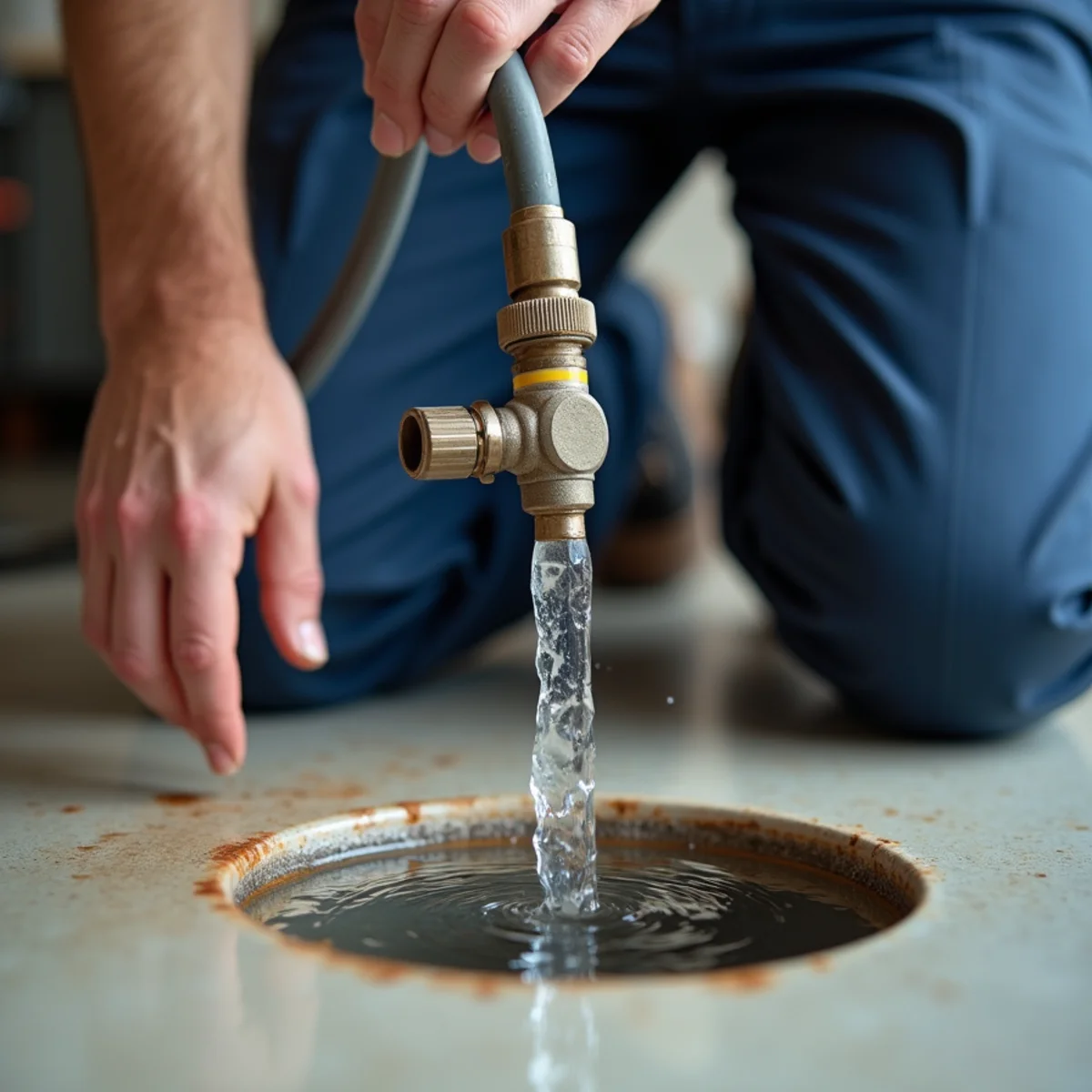
How Often Should a Water Heater Be Flushed?
Flushing clears the sediment that builds up in a water heater. Here is how often it is generally recommended and how hard water changes the schedule.
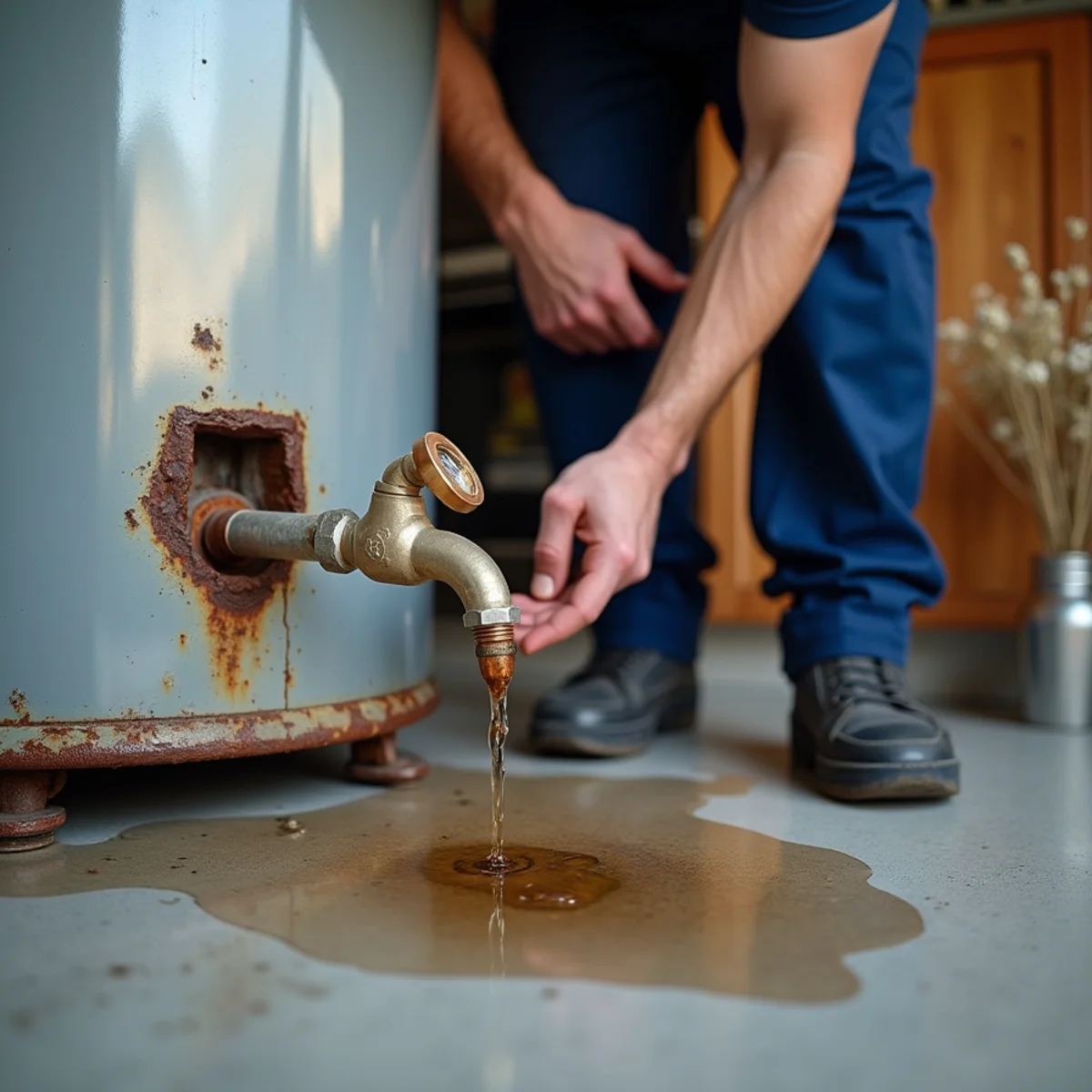
Water Heater Repair or Replacement: How to Decide
A cold shower or a puddle by the tank raises the same question: repair or replace? Here is how age, cost, and the type of failure help you decide.
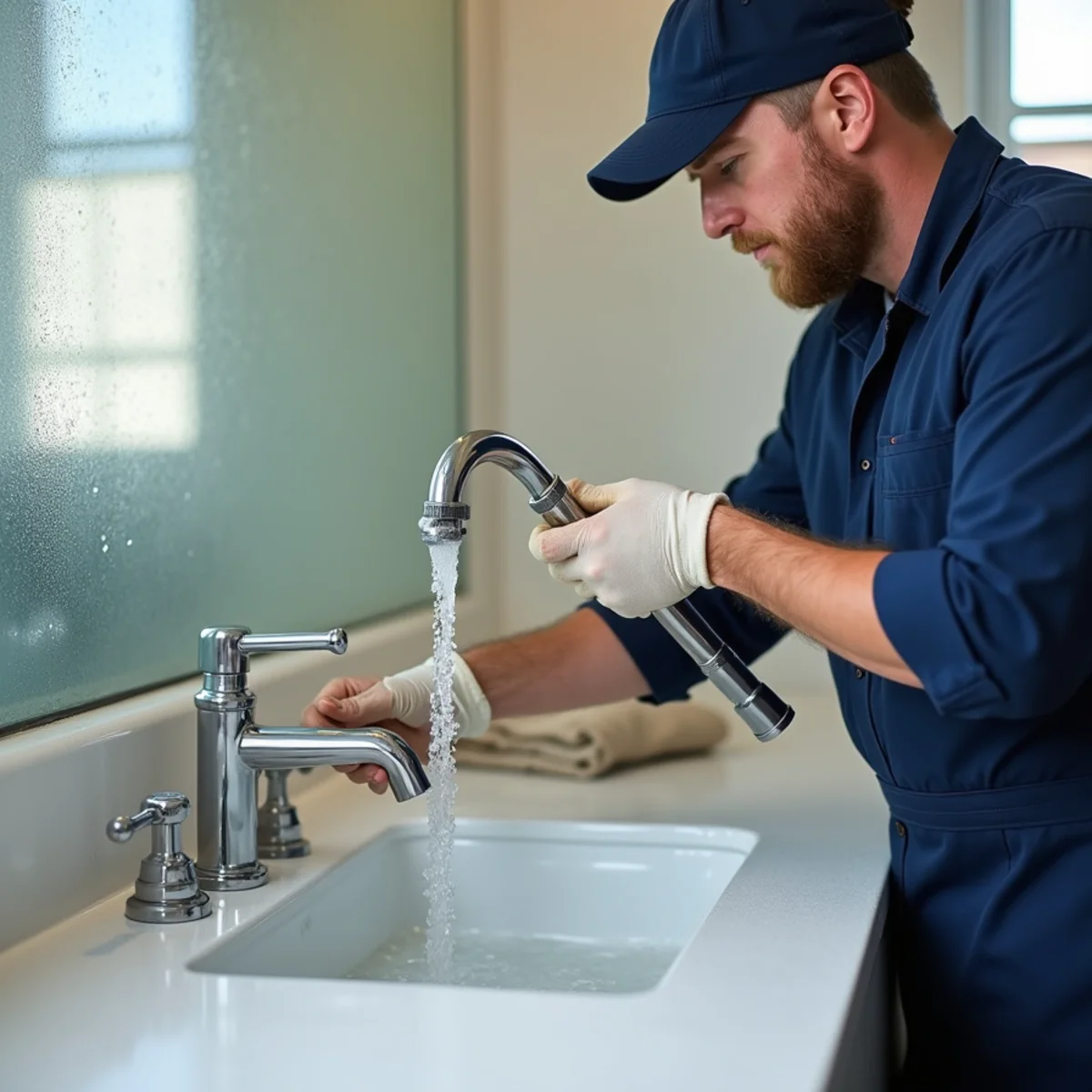
Common Signs of Hard Water in a Home
Spotty dishes, filmy glass, and stiff laundry can all point to hard water. Here is how to recognize the signs and what to do once you know.