
Slab Leak Warning Signs Every Homeowner Should Know
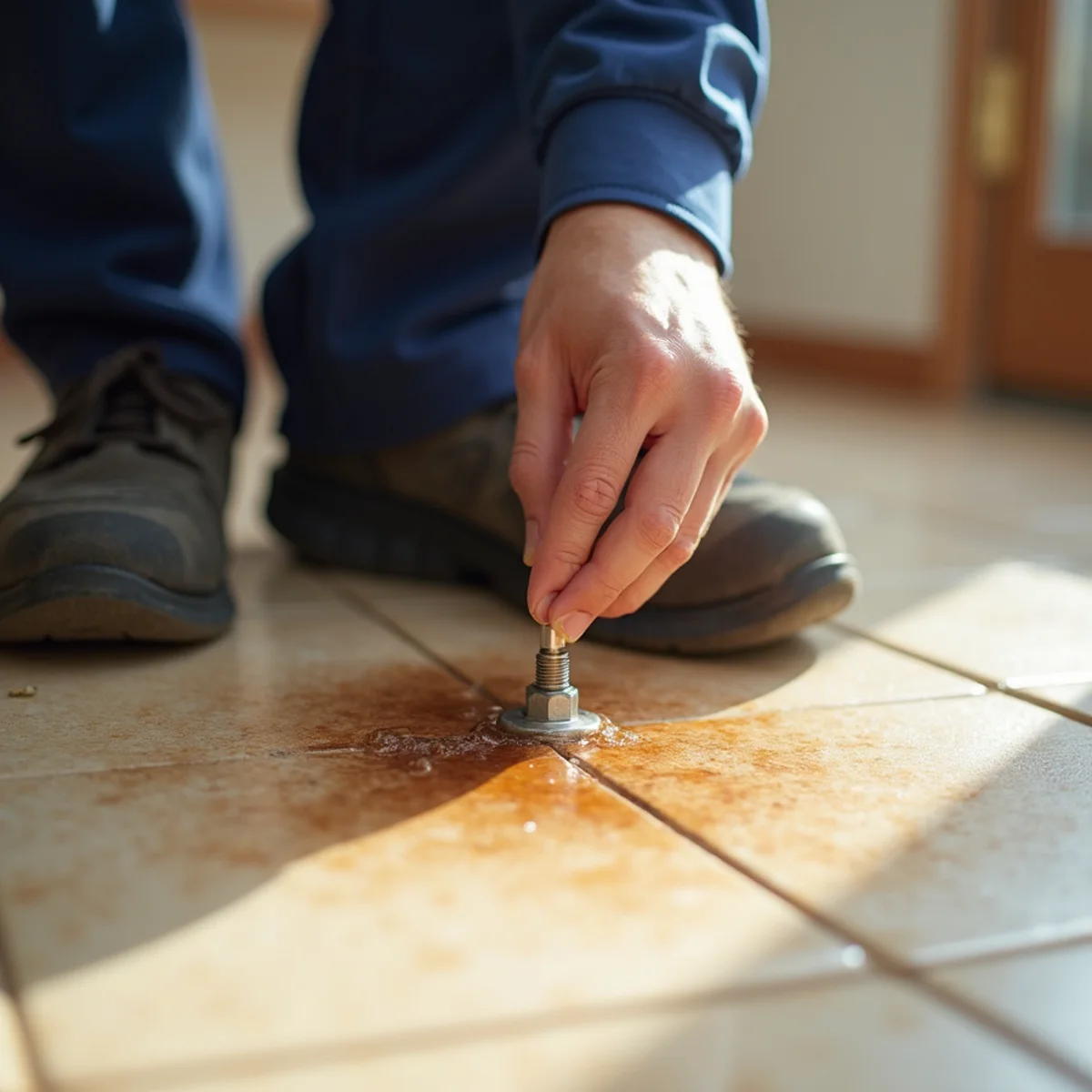
A slab leak happens when a water supply or drain line running through or beneath your home's concrete foundation begins to leak. Because the pipe is hidden under solid concrete, the problem can go unnoticed for weeks or months while water quietly works its way into the slab and the surrounding soil.
The good news is that a slab leak usually leaves clues before it becomes a major event. A warm patch on the floor, a faint running-water sound, or a water bill that creeps up without explanation are the kinds of hints that let you catch a leak while the repair is still contained. Learning to recognize those clues is what separates a targeted fix from a torn-up floor.
This guide explains what a slab leak actually is, why pipes fail under a foundation, the warning signs worth watching, a simple meter test you can run yourself, and how a professional confirms and pinpoints the source before any concrete is touched.
What a slab leak actually is
Many homes are built on a concrete slab foundation, with water supply lines and sometimes drain lines routed through or under that slab. A slab leak is simply a leak in one of those lines below the floor. It differs from a leak under a sink or behind a wall mainly in where it sits, and that location is what makes it so hard to notice.
Because the escaping water has nowhere obvious to go, it may travel along the slab, soak into the surrounding soil, or push up through cracks and control joints. That is why the symptoms can seem unrelated to plumbing at first, showing up as a warm floor, a musty smell, or a hairline crack long before anyone thinks about a pipe.
Supply-line versus drain-line leaks
A leak on a pressurized supply line loses water continuously and often produces clearer signs, such as a running-water sound or a steadily climbing bill. A leak on a drain line may only release water when a fixture is used, which can make it intermittent and harder to pin down.
Hot-side versus cold-side leaks
A leak on the hot-water line can create a warm spot on the floor, encourage mold, and waste heated water, so it sometimes announces itself sooner. A cold-line leak may lack that temperature clue and rely more on sound, moisture, or bill changes to reveal itself.
Why slab leaks happen
Several factors can contribute to a pipe failing beneath a foundation, and often more than one is involved. Understanding the causes helps explain why some homes are more prone to slab leaks than others.
Age plays a role, since pipes that have carried water for decades have simply had more time to corrode or wear thin. Water chemistry matters too, because certain conditions can be harder on metal pipe over the long run, and in some homes with harder water that wear may progress a little faster.
- Abrasion, where a pipe rubs against concrete, gravel, or rebar as water flows through it and it expands and contracts with temperature
- Corrosion of older metal pipes over many years, sometimes appearing as pinhole leaks
- High water pressure that stresses fittings and pipe walls
- Poor initial installation, such as kinks, tight bends, or unsupported runs
- Soil movement and settling that shifts or stresses the lines
- Hot-water lines, since heat can accelerate wear on the hot side of the system
Warning signs to watch for
Any single symptom below can have another explanation, but several appearing together may point toward a slab leak. The pattern matters more than any one clue, so it helps to look at the whole picture rather than a single observation.
Pay particular attention to symptoms that appear at floor level or that involve hot water, since those often trace back to lines running through the slab.
- A sudden, unexplained jump in your water bill
- The sound of running or trickling water when no fixtures are on
- Warm or hot spots on the floor, which can signal a hot-water line leak
- Damp, warped, or discolored flooring, or a persistent musty smell
- A dark, damp patch that appears on the surface of the slab or at the base of a wall
- Low water pressure that develops without another cause
- New cracks in flooring, drywall, or baseboards as soil shifts beneath the slab
- A water meter that keeps moving when everything in the home is shut off
How a slab leak can affect your home
The value of catching a slab leak early is easy to underestimate. Water released under a foundation does not just raise a bill; it can gradually change the ground the home rests on and the air inside it.
As water saturates the soil beneath the slab, that soil can shift, swell, or erode, which places uneven stress on the foundation and can lead to cracks in floors, walls, and baseboards. Persistent moisture also creates conditions where mold and mildew take hold, and a hot-line leak can drive up energy use as the water heater works to replace what is lost. A leak found in its first days is usually a contained repair, while one that has run for months can touch the structure, the indoor air, and the utility bill all at once.
A simple water-meter check you can do at home
The water meter offers a quick way to test for hidden water use. Turn off every faucet, appliance, and fixture in the home, including the ice maker and any irrigation, then find your meter and note the reading or the position of the small flow indicator.
Wait an hour or two without using any water, then check again. If the reading has changed, water is moving somewhere it should not be. That does not confirm a slab leak specifically, but it does confirm a hidden leak worth investigating.
For a faster check between readings, many meters have a small triangular or dial-shaped leak indicator that spins whenever water flows. If it moves while everything is off, that is a strong hint of a leak somewhere in the system. To narrow it down, some homeowners close the shutoff to the house and watch whether the meter still turns, which can suggest the leak sits on the supply line rather than an indoor fixture.
What to do if you suspect a slab leak
If the signs point to a leak under the slab, it is wise to limit further water flow through the affected area and arrange for a professional assessment. Forcing the issue or opening the slab without locating the leak first can make repairs far more disruptive than they need to be.
It also helps to document what you are seeing before the visit. Note when the warm spot or sound appears, how your water bill has changed, and which fixtures seem involved. That record can speed up diagnosis and reduce the guesswork.
A plumber can help determine the source and scope before any concrete is touched, so the fix is targeted rather than exploratory. Knowing the exact spot is what makes a measured, less invasive repair possible.
How professionals locate slab leaks
Modern leak detection aims to find the exact spot without breaking up the entire floor. The goal is to narrow the search to a small area so that any access work is minimal and the rest of the slab stays intact.
Depending on your system, a technician may use one or more tools, often combining a couple of methods to confirm the location before recommending a repair.
- Acoustic listening equipment that picks up the sound of escaping water through the concrete
- Electronic amplification and correlation tools that pinpoint the location along a pipe run
- Pressure testing to confirm which line, hot or cold, is losing water
- Thermal or infrared scanning to trace a warm hot-water leak
- Moisture mapping and line isolation to close in on the affected area
Repair options once the leak is located
There is rarely a single answer that fits every slab leak. Once the source is pinpointed, a plumber can explain which approaches are realistic for the pipe involved, its location, and the age of the surrounding plumbing.
- A spot repair, where a small section of the slab is opened to access and fix the failed pipe
- Rerouting the affected line above the slab so the problem section is bypassed entirely
- Repiping a run or the home, when the pipe is old and more leaks seem likely
- In-place methods for certain lines, which a professional can advise on based on the pipe material and layout
Reducing the risk over time
No approach removes every risk, but a few habits may lower the odds of a slab leak or help you catch one sooner. Most of them come down to keeping pressure in a healthy range and staying alert to small changes.
In foothill and hillside areas around El Dorado Hills, elevation can influence water pressure, and harder water may add to long-term wear on metal pipe. Neither guarantees a problem, but both are reasons to keep an eye on pressure and act on small leaks promptly rather than waiting.
- Have your water pressure checked if it feels unusually strong, and consider a regulator where appropriate
- Address small leaks and corrosion elsewhere in the home before they spread
- Watch your water bills for gradual upward trends
- Consider periodic professional inspections for older homes on slab foundations
- Learn what your home normally sounds like so a new running-water noise stands out
Need a plumber in El Dorado Hills?
Wedlisse Plumbers helps homeowners across El Dorado Hills and nearby communities. Call or request service any time.
Frequently asked questions
No. A slab leak will not seal itself, and water loss tends to continue or grow. The sooner it is located and repaired, the more contained the work usually is.
Not always. Depending on the location and pipe layout, rerouting the line above the slab or accessing it through a small opening may be possible. A plumber can explain the choices after locating the leak.
Warm spots on the floor, running-water sounds with everything off, and moisture at floor level lean toward a slab issue, but confirming it usually takes professional leak detection with acoustic and pressure tools.
Even a small leak can undermine soil, encourage mold, and raise your water bill over time, so it is worth addressing promptly rather than waiting for it to grow into a structural or air-quality concern.
It varies. A drain-line leak that only releases water during use can hide for months, while a pressurized supply leak often shows signs sooner. Watching your bill and running the meter test can shorten that window.
Coverage varies widely by policy and often depends on whether the resulting damage, rather than the pipe itself, is covered. Reviewing your policy and documenting the damage carefully is the surest way to know what applies.
Related articles
Seven Signs You May Have a Hidden Water Leak
A hidden leak can quietly raise your bill and damage your home for weeks. Here are seven signs worth watching for, and how to check if water is escaping unseen.
What to Do When a Pipe Bursts in Your Home
A burst pipe can release gallons of water in minutes. Here is a calm, step-by-step plan to stop the flow, limit damage, and decide when to call a plumber.
Can High Water Pressure Damage Plumbing?
Strong pressure can feel great, but too much strains pipes, fixtures, and appliances. Here is what counts as high, the signs, and how to fix it.