Water Heater Maintenance in El Dorado Hills
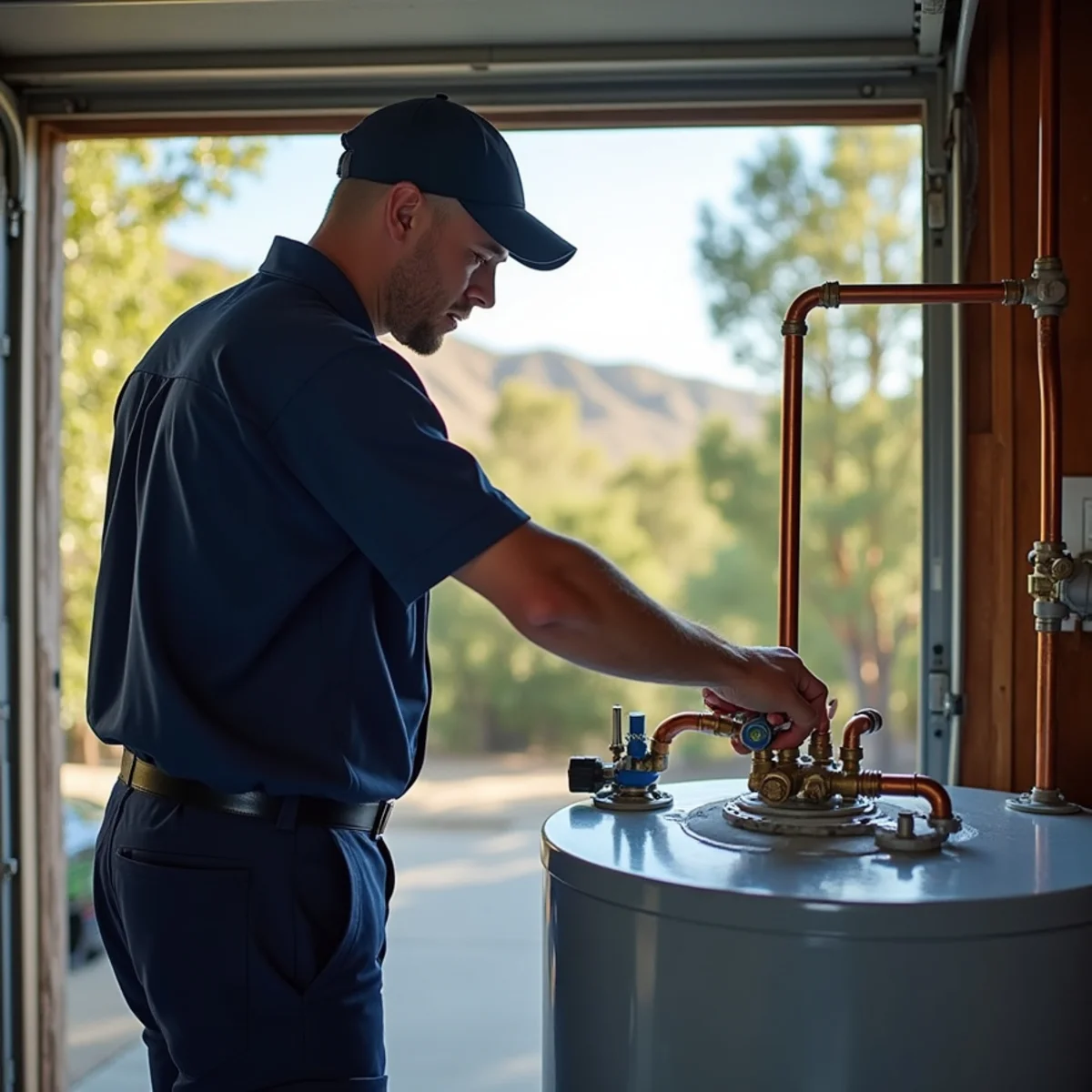
A water heater tends to work quietly in the background until the day it does not. In areas where the water may be harder, a little routine care can go a long way toward keeping the unit efficient, quiet, and lasting closer to its full service life.
This guide looks at water heater maintenance with El Dorado Hills homes in mind. The local notes here are possibilities that may apply, and a professional can confirm what fits your specific unit and your water after a look.
You will learn how sediment affects a heater, how flushing and the anode rod fit in, why the temperature and pressure relief valve matters, and which warning signs suggest it is time to bring in help before a small issue becomes a failure.
Why local water may be hard on heaters
Many homes in the region may have harder water, meaning it carries more dissolved minerals such as calcium and magnesium. When that water is heated, minerals can drop out of solution and settle as sediment at the bottom of the tank. The hotter the water, the more readily this tends to happen.
Over time, that sediment can insulate the burner or heating element from the water, which may reduce efficiency and make the heater work harder to reach the same temperature. It can also contribute to noise and, in some cases, a shorter service life for the tank.
Because water conditions vary from home to home, a professional can help determine how much this applies to your situation. A water test is the surest way to know how hard your water actually is, which in turn shapes how often maintenance is worthwhile.
What sediment does inside the tank
Sediment buildup is one of the more common issues in areas with harder water, and it can show up in several ways that are easy to notice once you know what to listen and look for.
- Rumbling or popping sounds as water bubbles up through the sediment layer
- Reduced hot-water capacity as sediment takes up space in the tank
- Higher energy use as the burner or element works around the buildup
- Faster wear on the tank interior in some cases
- Cloudy or gritty hot water at the tap when sediment stirs up
Flushing on a schedule
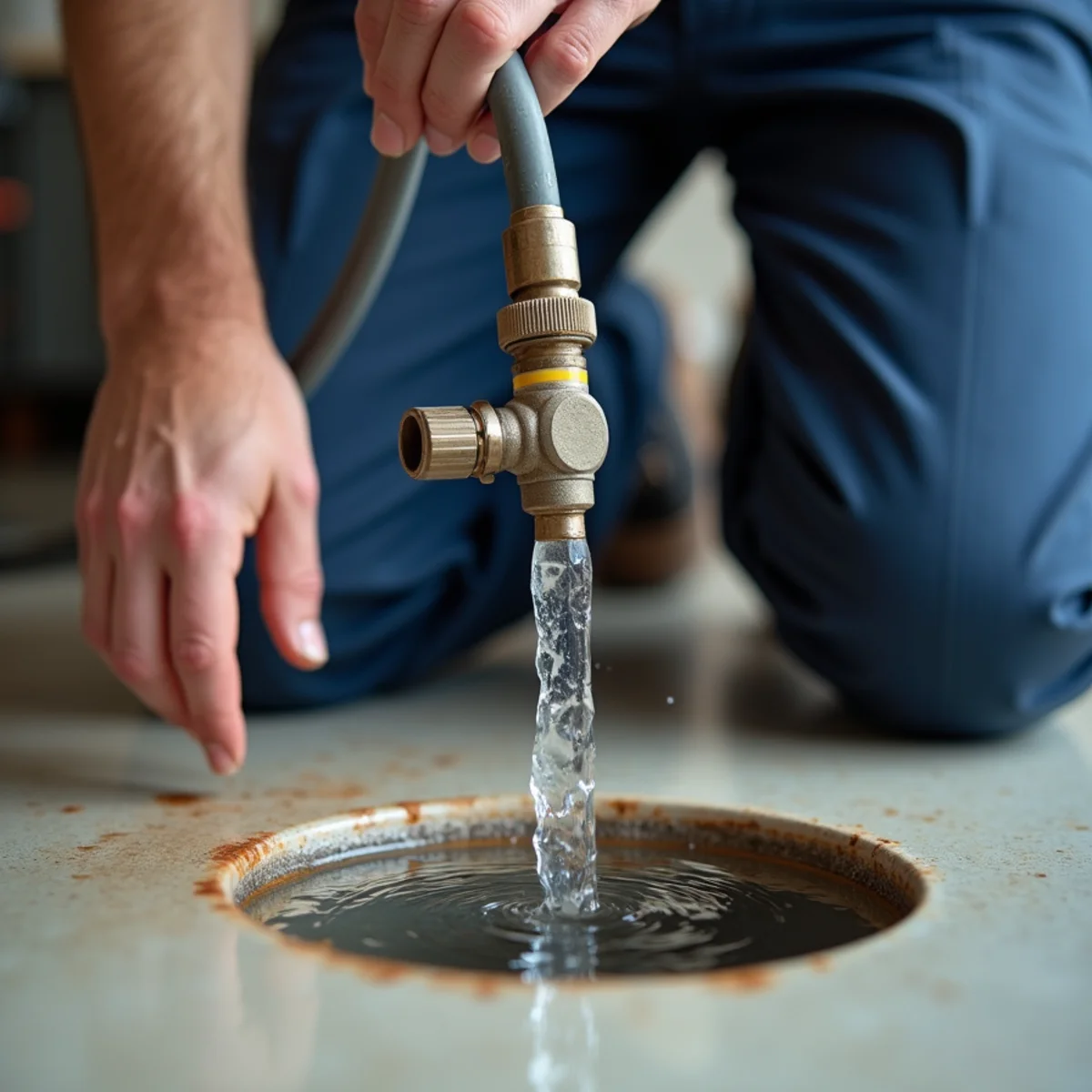
Flushing the tank removes settled sediment and is one of the more valuable maintenance steps for a storage water heater. In homes with harder water, sediment can accumulate faster, so flushing may be worthwhile more often than the once-a-year interval many people assume.
The general process involves shutting off power or gas to the unit, connecting a hose to the drain valve, and draining the tank to clear sediment before refilling. It sounds simple, but details matter, such as relieving pressure correctly and refilling fully before restoring power so an electric element is never energized while dry.
If you are unsure about any step, especially on a gas unit, it is reasonable to have a plumber handle it or show you the safe procedure for your model. Having it done professionally the first time can also surface any early issues while the tank is open for service.
The anode rod
Most tank water heaters contain a sacrificial anode rod, a component designed to corrode in place of the tank so the tank lasts longer. It quietly does its job for years, drawing corrosion to itself and away from the steel tank lining.
Over time the rod wears down and eventually stops protecting the tank, and from that point the tank itself begins to bear the corrosion. A common guideline is to inspect the rod every few years and replace it when much of the core wire is exposed or it has thinned significantly. Water conditions influence how fast it wears, so checking rather than assuming is the safer approach.
One local nuance is worth knowing: while hard water is tough on tanks, softened water can actually speed up anode wear, because it changes the water chemistry around the rod. That is one more reason to have the rod checked periodically, and a professional can assess its condition during service and let you know how much life it has left.
The temperature and pressure relief valve
The temperature and pressure relief valve, often called the T&P valve, is an important safety component that releases pressure if the tank gets too hot or too pressurized. It should be in working order, with its discharge line clear and pointed toward a safe location such as near the floor.
This is one component that should never be capped, blocked, or bypassed, because it is what protects the tank from dangerous pressure. If you notice it releasing water regularly, that is a sign something else needs attention, such as excess pressure or temperature, rather than a reason to silence the valve.
Testing and servicing this valve calls for care, and if you are not comfortable doing so, a plumber can check it. Setting the thermostat to a reasonable temperature, commonly around 120 degrees, also helps reduce scald risk, eases stress on the tank, and can trim energy use.
Signs of trouble to watch for
A few symptoms suggest a water heater needs attention beyond routine care, and catching them early often means a repair rather than a rushed replacement.
- Water that never gets hot enough or runs out quickly
- Rumbling, popping, or banging sounds during heating
- Rusty or discolored hot water
- Moisture, corrosion, or pooling around the base of the tank
- A noticeable rise in energy use tied to the water heater
- Water that smells off, which can sometimes trace back to the tank or anode
Tank and tankless in harder water
Both tank and tankless water heaters can be affected by harder water. Tanks collect sediment that flushing addresses, while tankless units can develop scale on their heat exchanger that periodic descaling may help manage.
For tankless units, scale is worth taking seriously because the water passes through narrow passages that heat quickly, and buildup there can affect performance and efficiency. Descaling on a schedule, sometimes paired with a softener or a dedicated pre-filter, is a common way to keep them running well in harder-water homes.
If your home has harder water, maintenance intervals may matter more for either type. A professional can recommend a service schedule suited to your unit and local conditions, so you are not guessing at how often to flush or descale.
When to call a professional
Some maintenance is homeowner-friendly, but gas connections, the T&P valve, persistent leaks, and unusual noises are worth a professional look. The same goes if the unit is older and you are weighing repair against replacement, since age, condition, and the cost of the fix all factor in.
If your water heater is showing warning signs, or you would simply prefer to have maintenance handled and demonstrated, reaching out to a local plumber can keep the system running safely and help you plan ahead rather than react to a failure.
Need a plumber in El Dorado Hills?
Wedlisse Plumbers helps homeowners across El Dorado Hills and nearby communities. Call or request service any time.
Frequently asked questions
Many homes benefit from an annual flush, and homes with harder water may need it more often. A plumber can suggest an interval based on your unit and water conditions.
It may. Sediment and scale from harder water can reduce efficiency and add wear over time, though the effect varies by home. Regular maintenance can help offset it.
Many homeowners can flush a tank with care, but the steps differ by model and gas units add complexity. If you are unsure, a plumber can handle it or walk you through it safely.
Yes. Tankless units can develop scale on the heat exchanger, and periodic descaling may help. A professional can set an appropriate schedule for your conditions.
It usually needs inspection to tell, since it lives inside the tank. As a guideline, it is worth replacing when much of the core wire is exposed or the rod has thinned. A plumber can check it during service.
A common setting is around 120 degrees, which balances comfort, scald safety, and energy use. Very high settings raise scald risk and can speed up wear, so a moderate setting is often recommended.
Related articles
How Often Should a Water Heater Be Flushed?
Flushing clears the sediment that builds up in a water heater. Here is how often it is generally recommended and how hard water changes the schedule.
Why Is My Water Heater Making a Rumbling Sound?
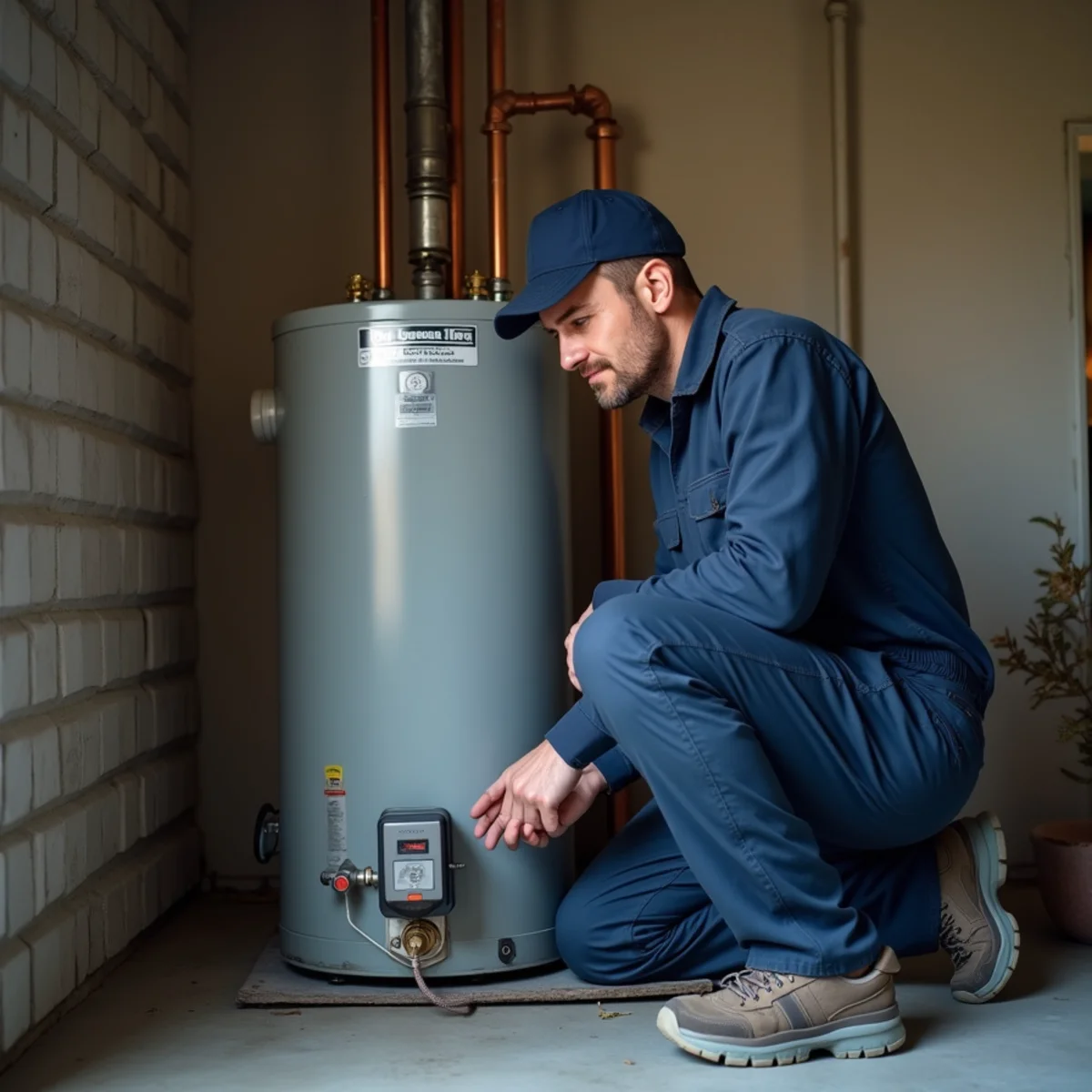
A rumbling, popping, or knocking water heater usually points to sediment. Here is what the noise means, why it matters, and what to do about it.
Common Signs of Hard Water in a Home
Spotty dishes, filmy glass, and stiff laundry can all point to hard water. Here is how to recognize the signs and what to do once you know.