Plumbing Considerations for El Dorado Hills Homes
El Dorado Hills is known for a mix of hillside lots, larger custom homes, established neighborhoods, and newer developments, and those characteristics can shape how a home's plumbing behaves. No two properties are identical, so the notes below are patterns that may apply rather than fixed rules for any one home.
Understanding the local factors that can influence plumbing may help you spot issues earlier, ask better questions when something seems off, and plan maintenance around the conditions your home actually faces.
This guide walks through several considerations that may be worth attention for homes in the area, from water pressure and hard water to foundations, hot-water demand, and the outdoor lines that come with larger lots.
What can make local plumbing distinct
Homes across the area vary widely in age, elevation, and size, and each of those can affect plumbing in its own way. A hillside custom home and an older home on flatter ground may face different concerns entirely.
Because of that variety, it helps to think in terms of possibilities. The factors below appear in many homes in the region, but a professional can determine what actually applies to your property after a look at the specifics.
Water pressure on the hills
Elevation changes across the area can influence water pressure, and some hillside or custom homes may experience higher pressure than average. Strong pressure can feel nice at the shower, but over time it may stress pipes, fittings, and appliance connections.
Very high pressure can also shorten the life of components you rarely think about, such as the flexible supply lines behind a toilet or washing machine and the valves inside faucets. When pressure runs high year after year, small leaks and premature failures may become more common.
If your pressure feels unusually forceful, or if you hear banging pipes and see frequent small leaks, it may be worth having the pressure checked. Many plumbing systems are happiest within a moderate pressure range, and a pressure regulator, where appropriate, can help keep it there. A professional can measure the actual pressure and advise whether a regulator or an adjustment makes sense for your home.
Hard water and its effects
Many homes in the region may deal with harder water, which carries more dissolved minerals such as calcium and magnesium. Over time, hard water can leave scale in pipes, on fixtures, and inside water heaters, and it can make soap and detergent less effective.
Signs that may point to hard water include spotty glassware, crusty buildup around faucets and showerheads, and reduced flow from mineral deposits. Some homeowners also notice that skin and hair feel different, or that appliances such as dishwashers, washing machines, and water heaters seem to wear faster than expected.
A water softener or a filtration approach may help, depending on your water and your goals, and a professional can help you evaluate whether it makes sense. The right choice depends on how hard the water actually is, which a simple test can establish before you invest in any equipment.
Foundations, slabs, and raised floors
Homes in the area sit on a range of foundation types, including concrete slabs and raised foundations. Each has its own leak considerations, and knowing which type your home has can help you interpret warning signs.
In slab-built homes, a leak in a line beneath the concrete can be hard to spot and may show up as warm floors, a running-water sound, or an unexplained bill increase. Because the pipe sits under solid concrete, these leaks often go unnoticed until a symptom appears indoors.
In raised-foundation homes, leaks under the floor may be easier to access but can still hide in a crawl space for a long time. A musty smell, a soft spot in the floor, or moisture in the crawl space may be worth investigating. Watching for these signs may help you catch a problem early, and a professional can confirm the source before any repair.
Larger homes and hot-water demand
Larger custom homes are common in parts of El Dorado Hills, and more bathrooms and longer pipe runs can raise hot-water demand. A water heater that struggles to keep up, or a long wait for hot water at distant fixtures, may reflect that demand rather than a fault in the equipment.
Longer runs also mean more water sitting in the pipes cooling off between uses, which is why a far bathroom can take a while to warm up. That wasted water and time is a common frustration in bigger homes and a frequent reason homeowners look at their hot-water setup.
Depending on the home, a properly sized tank, a tankless system, or a recirculation setup that keeps hot water closer to the fixtures may improve the experience. A professional can help match a solution to how your household actually uses hot water, since the right answer depends on the number of fixtures and the daily pattern of use.
Outdoor and irrigation lines
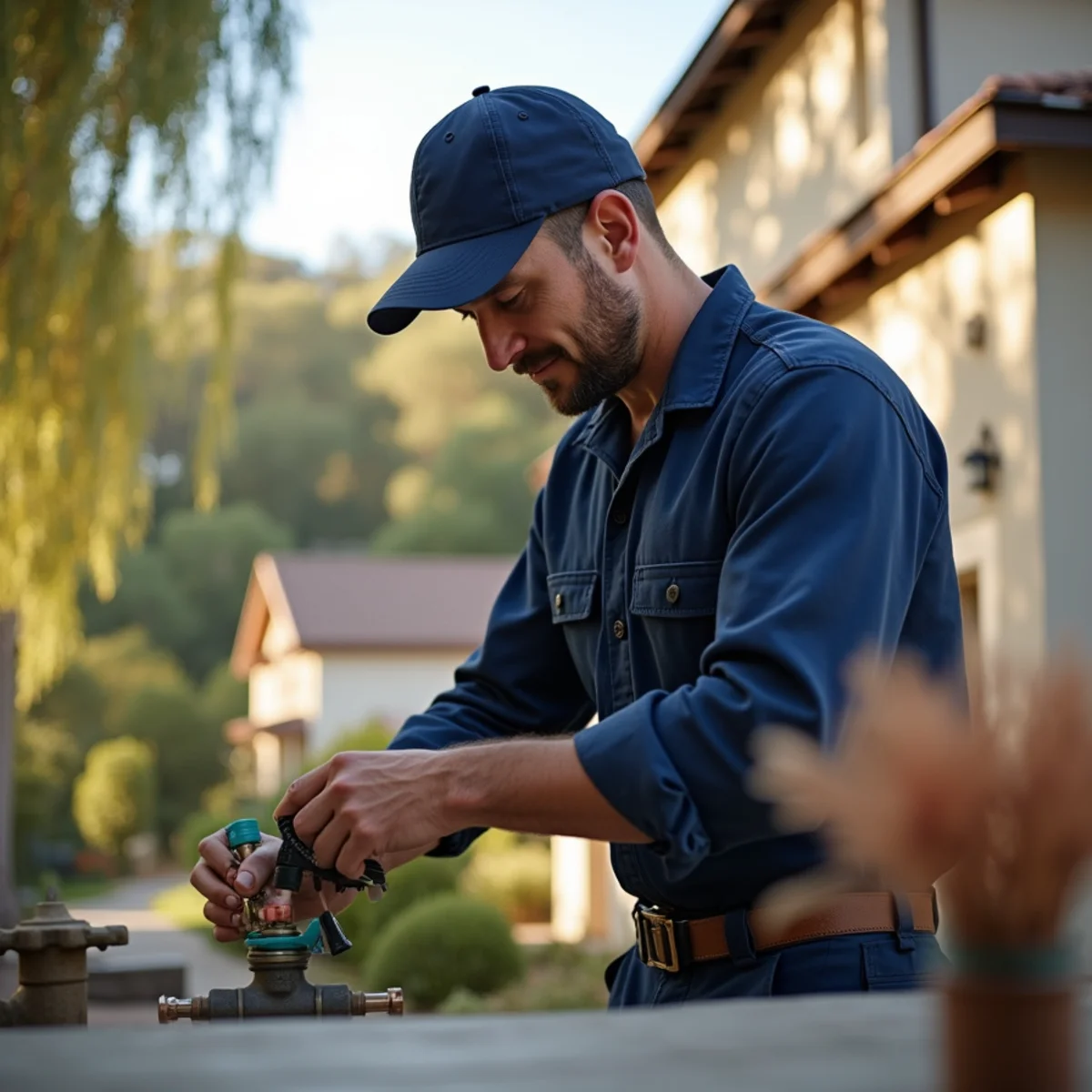
Properties with larger lots, landscaping, and irrigation have more outdoor plumbing that can develop leaks. A soggy patch of yard, an unexpectedly high summer bill, or sprinkler zones that lose pressure may all point to an outdoor line issue.
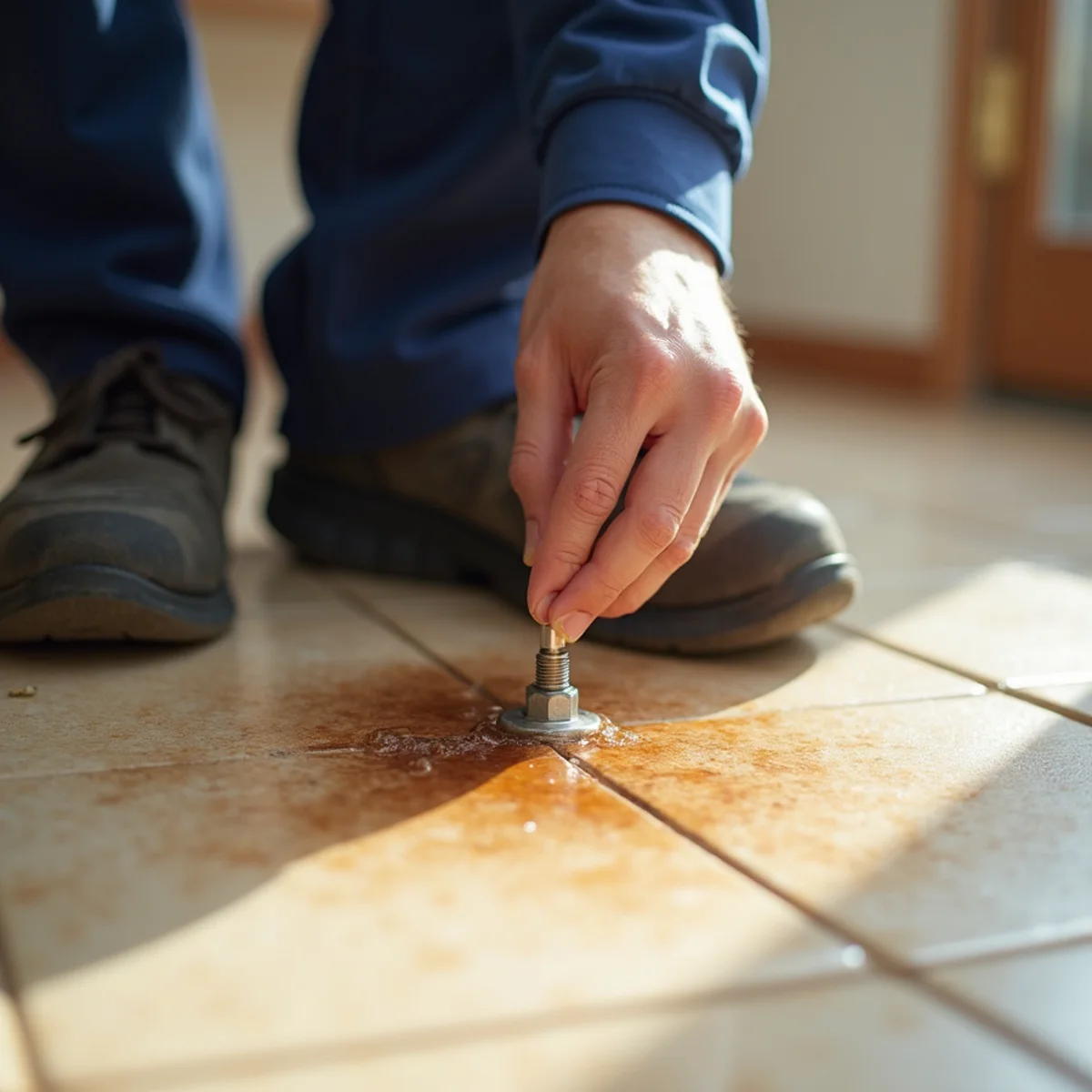
Outdoor faucets and hose bibs deserve their own attention, since a spigot cracked by winter cold may only leak when it is turned on, sometimes spraying inside a wall before anyone notices. Checking each one at the start of the watering season can catch that early.
Because irrigation runs underground, these leaks can be easy to miss. Periodic checks of outdoor faucets, hose bibs, and visible irrigation components may help you catch problems sooner, and comparing your summer water bills year over year can flag a slow leak you cannot see.
Tree roots and underground lines
Established neighborhoods in the area often have mature landscaping, and larger trees mean larger root systems that naturally seek out moisture. In some homes, roots may work into an aging sewer line through small gaps or joints and cause recurring clogs and slow drains.
The region's dry-summer and wet-winter cycles may also move soil over time, which in some cases can shift or stress underground lines. Neither factor guarantees a problem, but together they are reasons that recurring drainage trouble, especially in an older home with big trees nearby, is worth a closer look rather than another quick clearing.
A camera inspection can show whether roots, a sag, or a damaged section is behind repeated clogs, which lets a plumber recommend a response that fits the actual condition of the line.
Older and newer neighborhoods
The area includes both established neighborhoods and newer developments, and the plumbing considerations can differ. Older homes may have aging pipes or fixtures approaching the end of their service life, while newer homes may have modern materials but larger, more complex systems with more fixtures to maintain.
Knowing roughly when your home was built, and what materials it uses, can help you anticipate what may need attention over the coming years. A plumber can inspect and confirm the specifics rather than relying on assumptions about the neighborhood alone.
When to bring in a local plumber
Many of these considerations are easier to address before they turn into emergencies. If you notice high pressure, hard-water buildup, hot-water shortfalls, recurring drain trouble, or signs of a hidden leak, it may be worth having the system evaluated.
For questions specific to your property, reaching out to a local plumber for an assessment can help you understand which of these local factors actually apply to your home and what, if anything, is worth doing about them.
Need a plumber in El Dorado Hills?
Wedlisse Plumbers helps homeowners across El Dorado Hills and nearby communities. Call or request service any time.
Frequently asked questions
Some hillside and custom homes may see higher pressure due to elevation and supply factors, but it varies by property. Having the pressure measured is the only way to know for your home.
Many local homes may deal with harder water and the mineral buildup it can cause. A water test and a professional evaluation can tell you whether treatment would help in your case.
Slab leaks can occur in any home built on a concrete slab. They are not unique to the area, but knowing the warning signs helps homeowners catch them early.
Longer pipe runs in larger homes can mean a wait for hot water at distant fixtures. Options like recirculation or a right-sized heater may help, and a plumber can advise based on your layout.
In homes with older lines and large nearby trees, roots may work into the pipe and cause recurring clogs. It is not certain, but a camera inspection can confirm whether roots are a factor for your property.
It depends on how hard your water actually is and what problems you are seeing. A water test establishes the hardness, and a professional can weigh a softener against filtration or other options for your home.
Related articles
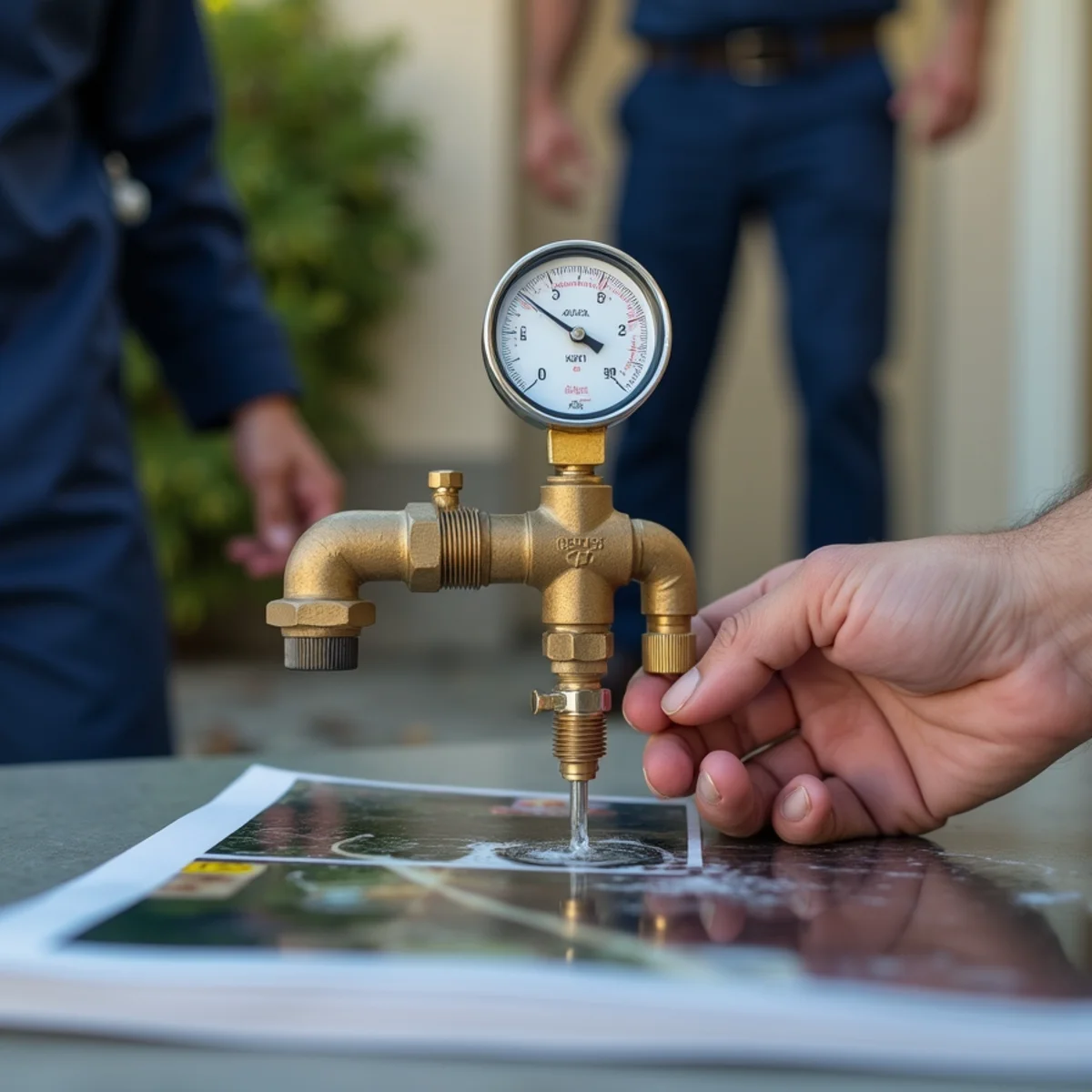
Can High Water Pressure Damage Plumbing?
Strong pressure can feel great, but too much strains pipes, fixtures, and appliances. Here is what counts as high, the signs, and how to fix it.
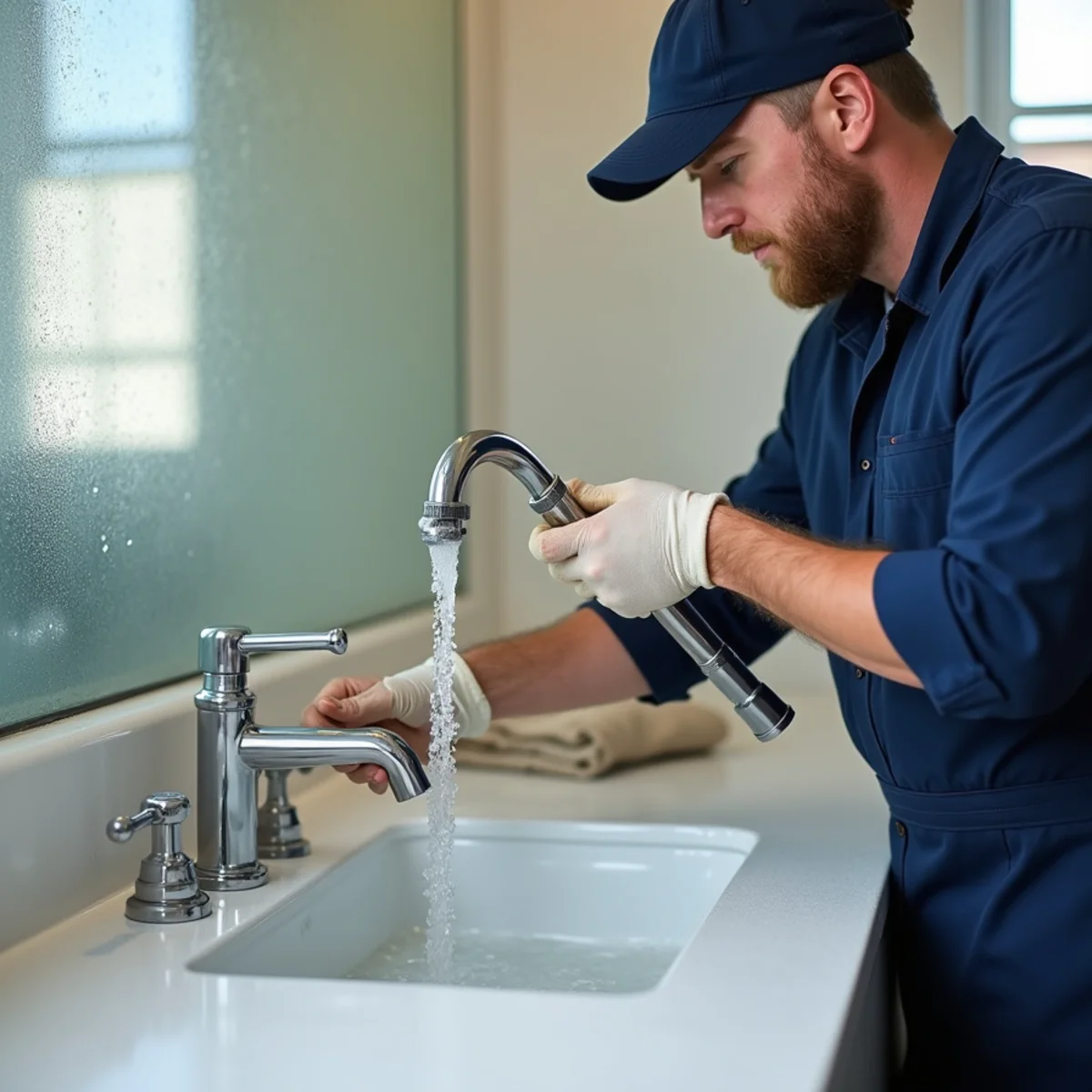
Common Signs of Hard Water in a Home
Spotty dishes, filmy glass, and stiff laundry can all point to hard water. Here is how to recognize the signs and what to do once you know.
Slab Leak Warning Signs Every Homeowner Should Know
A leaking pipe beneath your foundation can hide for months. Learn the early slab leak warning signs, a simple meter test, and how a pro confirms one.