
How Smart Water Shutoff Valves Work
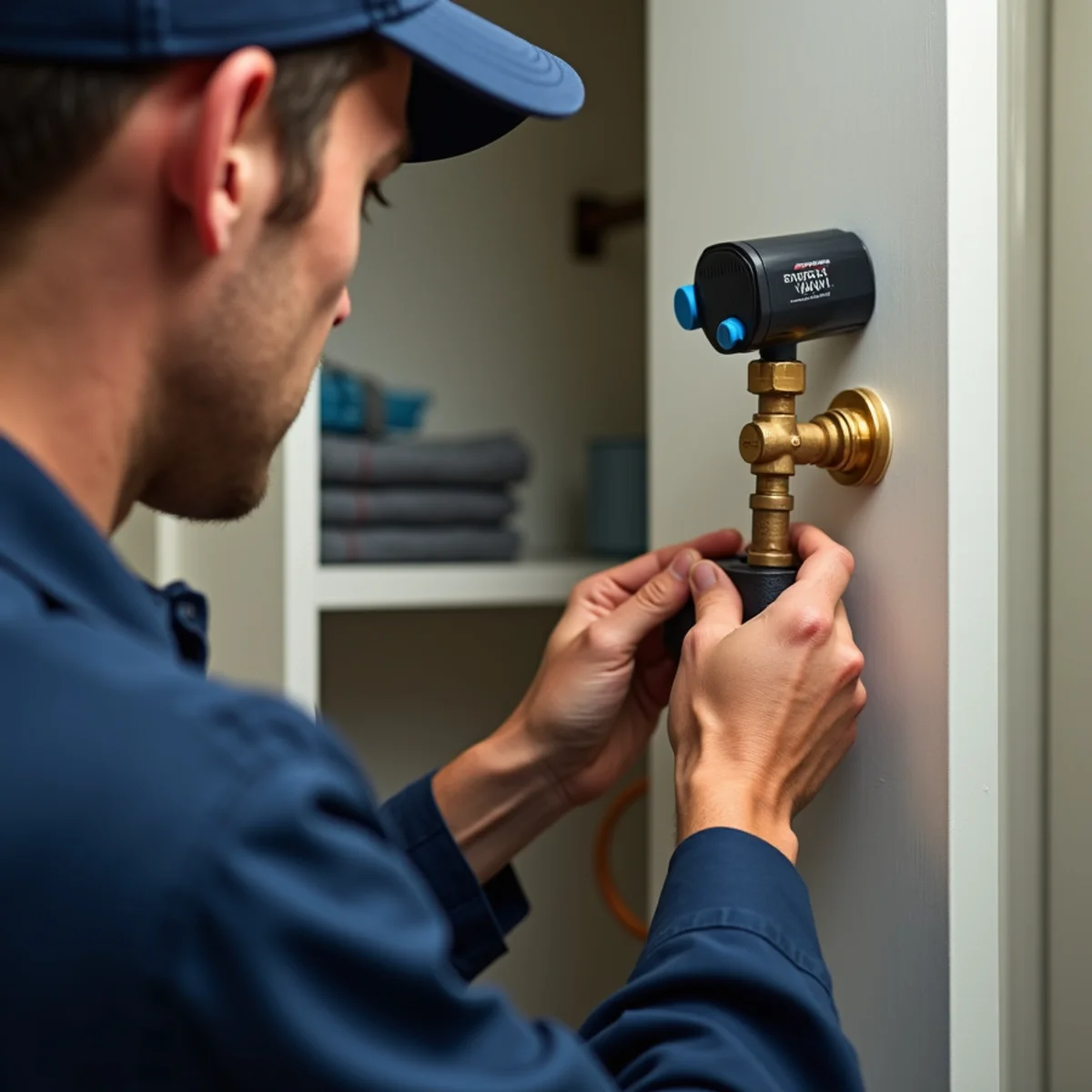
A single unnoticed leak can release a surprising amount of water before anyone spots it, and the worst cases tend to happen when no one is home to hear a running pipe. Smart water shutoff valves aim to change that by watching your plumbing continuously and closing the supply automatically when something looks wrong.
These devices have grown popular for homes that sit empty part of the time, larger properties with long pipe runs, and homeowners who simply want an added layer of protection alongside knowing where the manual shutoff is.
This article explains how smart shutoff valves detect problems, the different types available, what happens when a leak is found, who tends to benefit, and where the limits are, so you can decide whether one fits your home.
What a smart shutoff valve is
A smart water shutoff valve is a device installed on your main water line that can close the supply on its own. It pairs a motorized valve with sensors and software, and it usually connects to your home network so you can monitor and control it from a phone app.
Unlike a standard manual valve, it does not wait for a person to notice a problem and turn a handle. It is designed to react on its own based on what it measures, which is what makes it useful when no one is home to hear a running pipe or catch a warm floor.
Most systems also double as a window into your water use. Because they measure flow continuously, the companion app can show daily usage, flag a fixture that keeps running such as a leaking toilet flapper, and let you shut the water off remotely with a tap, even from across town.
How they detect problems
Smart shutoff systems generally watch for water use that does not fit normal patterns. Rather than looking for water in one spot, many of them study the flow through the main line and compare it against what your household usually does throughout the day.
They rely on a few common methods, and better systems combine several so that a single unusual reading does not trigger a shutoff on its own.
- Flow monitoring that tracks how much water moves through the line and for how long
- Learning your household's typical usage so unusual patterns stand out
- Continuous-flow detection that flags water running longer than a set limit, which can indicate a running toilet or a burst line
- Pressure-wave or pressure-drop analysis that some units use to catch leaks quickly
- Temperature readings that certain units use to warn of freezing risk before a pipe bursts
The main types available
Not every device works the same way. Broadly, homeowners encounter a few categories, and some setups combine them.
Inline motorized valves
These install directly on the main line and can physically shut the water off. They combine sensing and shutoff in one system and offer the most complete protection, since they act on the whole home rather than one location.
Leak sensors and pucks
Small wireless sensors placed near appliances, under sinks, behind the washing machine, or by the water heater detect moisture at a specific spot. On their own they alert you, and when paired with a motorized valve they can trigger a shutoff for the whole home.
Flow monitors without shutoff
Some devices monitor and report on water use without closing the valve themselves. They focus on alerts and insight rather than automatic shutoff, which can suit a homeowner who wants awareness and usage data but prefers to handle the actual shutoff manually.
What happens when a leak is detected
When a system senses a pattern it considers abnormal, it typically sends an alert to your phone first. Depending on the device and your settings, it may also close the valve automatically to stop the flow before damage spreads.
Many systems let you review the alert and reopen the valve remotely if it was a false alarm, such as filling a large tub or running irrigation you forgot about. Over time, the system learns from these corrections and grows more accurate about what counts as normal for your home.
Some devices also offer scheduled or one-touch shutoff modes. You can set the valve to close automatically when the home is in an away mode, which shrinks the window in which an undetected leak could run while you travel.
Features worth comparing
Devices vary in more than price, and a few features tend to shape day-to-day experience. Weighing these against how your household uses water helps you match a device to your home.
- Whether the unit only alerts or can also close the valve automatically
- How small a leak it can detect, from a burst line down to a slow drip
- Whether it can act on its own sensors if the internet connection drops
- Freeze and temperature alerts for homes with pipes in cold spaces
- Battery backup so it still functions during a short power outage
- How the app reports usage and how easily you can override a shutoff
Who these devices may help
A smart shutoff valve is not required for every home, but it can be worthwhile in several situations. The common thread is a gap between when a leak starts and when someone would otherwise notice it.
The more that gap could cost, in water damage, in a high bill, or in stress while you are away, the more a device that closes the valve on its own tends to earn its place. Some homeowners also find that their insurer takes an interest in leak-mitigation devices, which is worth asking about.
- Homes left empty during travel or seasonal absences
- Larger properties where a leak in a far room could run unnoticed
- Homes with a history of leaks or aging plumbing
- Multi-level or hillside homes where a burst upstairs could travel far before it is seen
- Owners who want alerts and usage insight along with automatic protection
Limitations to keep in mind
These systems add protection but are not a complete safeguard, and it helps to understand where they fall short. Thinking of one as a smoke detector for water, useful and worth having, but not a substitute for sound plumbing, sets the right expectation.
Knowing the limits also helps you place sensors well and set the system up so it complements, rather than replaces, basic upkeep and awareness.
- They rely on power and, for alerts and remote control, a working internet connection
- Point sensors only cover the areas where they are placed
- A very slow drip may not trigger a purely flow-based system
- They reduce damage from leaks but do not repair the underlying plumbing
- They still call for occasional checks, such as confirming batteries, filters, and connectivity
Installation considerations
An inline shutoff valve connects to your main water line, so placement and compatibility matter. A plumber can advise on where the device fits in your setup and confirm it works with your pipe size and layout. The unit usually needs to sit after the main shutoff and, in many cases, near a power source and within reach of your home network signal.
It is worth thinking about the whole system rather than the valve alone. Pairing an inline valve with a few leak sensors in the spots most likely to leak, such as under sinks, behind the washing machine, and near the water heater, gives you both broad flow monitoring and point coverage.
If you are considering one, it is reasonable to reach out to a local plumber to discuss which type suits your home and how it would be installed, since the right setup depends on your plumbing, your network, and how the home is used.
Need a plumber in El Dorado Hills?
Wedlisse Plumbers helps homeowners across El Dorado Hills and nearby communities. Call or request service any time.
Frequently asked questions
It can catch many leaks quickly, especially larger or continuous ones, but very slow drips or leaks outside a sensor's range may still go undetected. It reduces risk rather than removing it.
Many inline valves can still close automatically based on their own sensors, but the alerts, usage reporting, and remote control features depend on a network connection.
Yes. The system learns typical usage and only reacts to patterns it flags as unusual. You can also adjust sensitivity and reopen the valve through the app if something trips it by mistake.
Yes. A manual main shutoff remains important as a reliable backup, and every household member should know where it is and how to operate it.
Some units read temperature or pressure and can warn of freezing conditions or a sudden burst, then close the valve. Coverage depends on the model, so check whether the device you are considering offers it.
Some insurers view leak-mitigation devices favorably, but policies differ. It is worth asking your provider directly, since any discount depends on the insurer rather than the device itself.
Related articles
How to Find and Use Your Main Water Shutoff Valve
Knowing where your main shutoff is, and how to use it, can turn a flood into a minor cleanup. Here is how to find, identify, and test yours before you need it.
Seven Signs You May Have a Hidden Water Leak
A hidden leak can quietly raise your bill and damage your home for weeks. Here are seven signs worth watching for, and how to check if water is escaping unseen.

Slab Leak Warning Signs Every Homeowner Should Know
A leaking pipe beneath your foundation can hide for months. Learn the early slab leak warning signs, a simple meter test, and how a pro confirms one.