
Gas & Specialty
Sump Pump Services in El Dorado Hills, CA
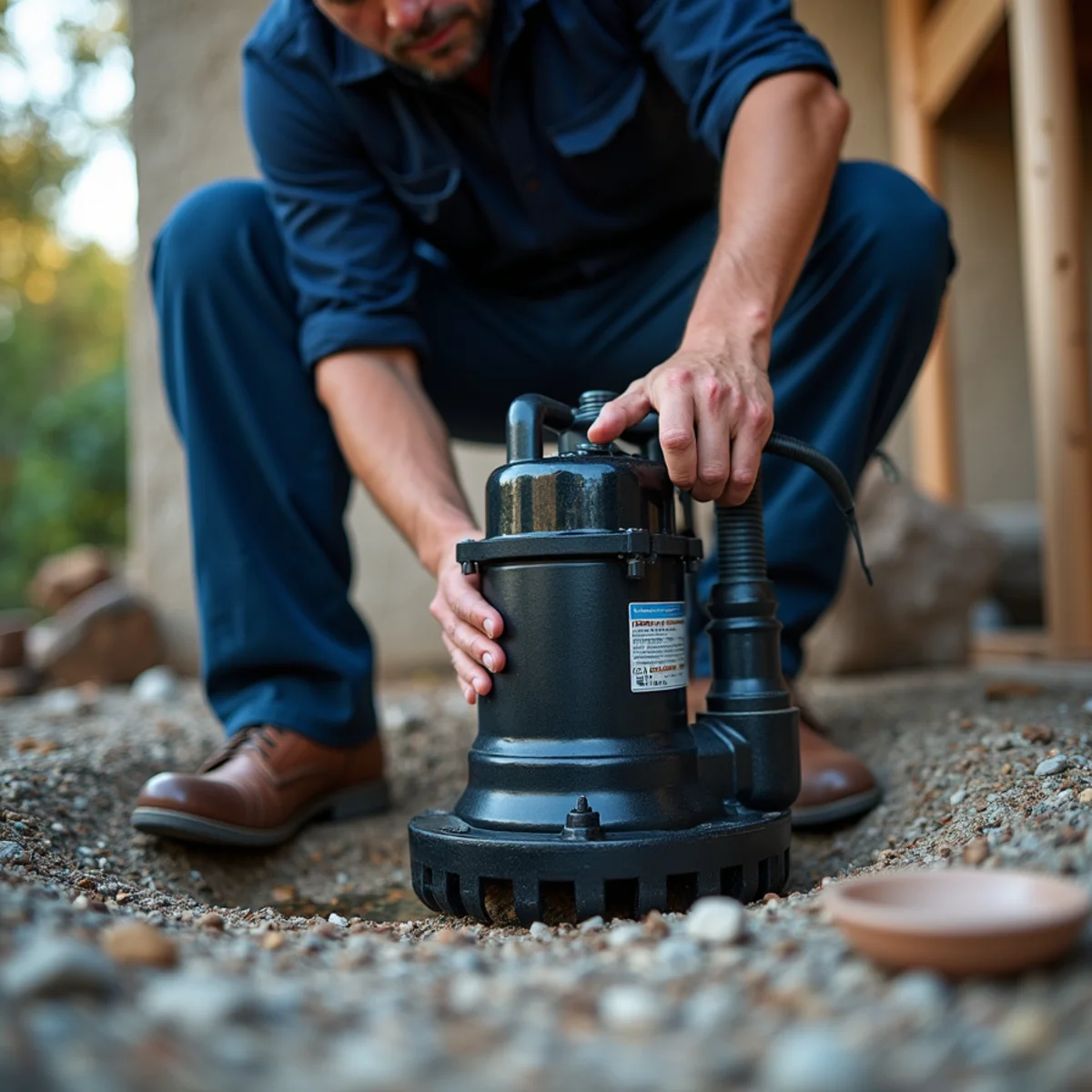
A sump pump spends most of the year doing nothing, then earns its place in a single heavy storm. Wedlisse Plumbers repairs, replaces and installs sump pumps for El Dorado Hills homes and checks that they are ready before the wet season arrives. It is one of the few pieces of equipment in a house that you never think about until the exact moment you desperately need it to work.
Because the pump only matters when water is rising, the worst possible time to discover it has failed is during a downpour with the pit filling faster than a dead motor can move it. A little attention ahead of the rain, a test, a look at the float and check valve, a glance at the discharge, is what keeps a lower level, garage or crawl space dry when the storms come.
Sump pumps also fail in quiet, predictable ways. A float switch sticks, a check valve wears out and lets water fall back into the pit, a motor reaches the end of its run, or the discharge freezes or clogs outside. Most of these are straightforward to catch and address while it is dry, and far harder to deal with once water is already coming in.
- Residential & commercial service
- Clear service recommendations
- Respectful property protection
- Locally focused coverage
Signs You May Need Sump Pump Services
A few things homeowners often notice before calling us:
- The pump hums or does nothing when the pit fills with water
- The basin stays full or water rises past its normal level
- The pump runs constantly or cycles on and off rapidly
- Grinding, rattling or other unusual noises during operation
- Visible rust, or water seeping around the unit and pit
- A pump that is old and has never been tested or serviced
- Water returning to the pit right after the pump shuts off
Common Causes
- A stuck or misadjusted float switch that fails to trigger the pump
- A worn-out motor at the end of its service life
- A clogged intake, basin or discharge line restricting flow
- A failed or missing check valve letting water flow back into the pit
- A frozen or blocked discharge point outside during a cold snap
- Loss of power during the storm when the pump is needed most
- A pump undersized for the water the pit actually takes on
How We Approach the Job
- 1
Test and observe
We fill the pit or trigger the float to watch how the pump responds, which shows whether the trouble is the switch, the motor or the plumbing.
- 2
Diagnose the fault
We check the float, intake, check valve and discharge line to pin down what is actually keeping the pump from doing its job.
- 3
Recommend a path
We explain whether a repair makes sense, whether the pump is worth replacing, and whether a backup is worth considering for your situation.
- 4
Complete and verify
After the work, we run the pump through a full cycle to confirm it starts, moves water and shuts off cleanly.
Your Options
Repair of an existing pump
Many sump pump problems come down to the float switch, the check valve or a clogged discharge rather than the motor itself. When the pump is otherwise in good shape, replacing the failed part restores reliable operation at modest cost.
We test the full cycle afterward so you are not left wondering whether it will actually start when the pit fills during the next storm.
Replacement when a pump is worn out
A pump that is old, rusted or has burned out is usually better replaced than repaired, since a patched-up unit near the end of its life can fail again at the worst moment. A new pump sized to the basin and the expected water restores dependable protection.
A professional assessment can determine whether repair or replacement is the more sensible value given the pump's age and condition, so you are not spending on a repair that only postpones a replacement.
New installation and backup pumps
For a home without a pump, or one where water intrusion has become a recurring concern, installing a pump and proper discharge can keep a lower level dry. The setup depends on the property, the water table and how the discharge can be routed away from the foundation.
Primary pump and discharge
A submersible or pedestal pump sized to the pit, paired with a check valve and a discharge line that carries water well away from the foundation, forms the everyday line of defense. Getting the sizing and the discharge routing right is what keeps it working reliably.
Backup for power outages
Storms are exactly when the grid is most likely to drop, and a primary pump that loses power during a downpour is the classic failure. A battery-backed backup pump, with its float set slightly higher, adds a second line of defense that runs when the main pump cannot.
Not sure what's wrong? Let's take a look.
Describe what's happening and we'll help you figure out the next step.
Benefits of Timely Service
- A pump confirmed to start and move water before you rely on it
- Repairs that target the actual fault instead of replacing needlessly
- Right-sized replacement when a pump has reached the end of its life
- A backup option for peace of mind during storm-season outages
- Lower risk of water damage to a lower level, garage or crawl space
- Discharge routed to carry water away from the foundation
Residential
- Repair of float switches, check valves and clogged discharge lines
- Replacement of worn, rusted or burned-out pumps
- New pump and discharge installation
- Backup pump setups for power outages during storms
- Pre-rainy-season testing and inspection
Commercial
- Sump pump service for basements and utility areas
- Scheduled testing for property managers before wet season
- Backup pump options for spaces that hold sensitive equipment
- Discharge and check-valve service on higher-use systems
How to test your sump pump before the rain
The simplest check takes only a few minutes and tells you most of what you need to know. Slowly pour a bucket of water into the pit until the float rises, and watch what happens next. A healthy pump switches on promptly, moves the water out, and shuts off cleanly once the level drops.
If it stays silent, only hums, leaves water behind, or keeps running after the pit empties, something needs attention. Doing this before the wet season, rather than discovering the problem during the first heavy storm, is the entire point of the exercise.
What to look and listen for
- The pump starts on its own as the float rises
- Water leaves the pit and does not flow back after shutoff
- The motor runs smoothly without grinding or rattling
- The pump shuts off once the water is down, rather than cycling
- The outside discharge point is clear and directs water away from the house
Why a backup pump is worth considering
A primary sump pump has one predictable weakness, which is that it needs electricity, and the storms that bring the most water are also the ones most likely to knock out power. A pump that stops the moment the lights go out leaves the pit to fill on its own.
A battery-backed backup pump addresses exactly that gap. Its float sits slightly higher than the primary's, so it stays idle until the main pump cannot keep up or loses power, then takes over. Whether it makes sense depends on your property and how much a wet lower level would actually cost you, but for homes that have flooded before, it is often an easy call.
Sump pumps and El Dorado Hills weather
The foothills see most of their water in a concentrated wet season, with periods of heavy, sustained rain rather than year-round drizzle. That pattern is hard on a sump system, since the pump can go months idle and then face a real test over a few storm-soaked days.
Sloped and hillside lots can channel runoff toward a lower level or crawl space, and saturated ground raises the water a pit has to handle. Because the demand arrives all at once, testing and servicing the pump ahead of the season, rather than during it, is the difference between a pump that is ready and one that fails exactly when it is needed.
Areas We Serve
Sump Pump Services for customers in El Dorado Hills and selected nearby communities:
Sump Pump Services FAQs
The simplest check is to slowly pour water into the pit until the float rises and see whether the pump switches on, moves the water out and shuts off. If it stays silent, only hums, or leaves water behind, something needs attention. Testing before the rainy season rather than during it is the point.
It depends on the pump's age and what failed. A stuck float or a bad check valve on an otherwise healthy pump is usually a straightforward repair. A pump that is old, rusted or has burned out is generally better replaced, since a worn unit is prone to failing again when it matters most.
It can be, especially where storms bring power outages, because a primary pump that loses power during a downpour is exactly when water tends to come in. A backup provides a second line of defense if the main pump stops. Whether it makes sense depends on your property and how much a wet lower level would cost you.
Before the wet season is the natural time, so any problem is found while it is dry and easy to address rather than during the first heavy storm. A quick test and a look at the float, check valve and discharge is usually enough to know where you stand.
Constant running can mean the pump is undersized, the float is stuck in the on position, or water is entering the pit faster than expected. Rapid on-off cycling often points to a failed check valve letting water fall back in, or a float set too tightly. Both are worth diagnosing, since either can wear the motor out early.
It varies with use and quality, but a sump pump is a mechanical device that wears over years of cycling, and a backup battery has an even shorter life and needs periodic replacement. Rather than track a calendar, the practical approach is a test and a quick service before each wet season, which catches age-related failures before they matter.
Need Sump Pump Services in El Dorado Hills?
Call for current service availability, or send a request and we'll follow up to schedule an assessment.
For an active leak or urgent plumbing concern, call for current service availability.