Plumbing Maintenance Checklist for Homeowners
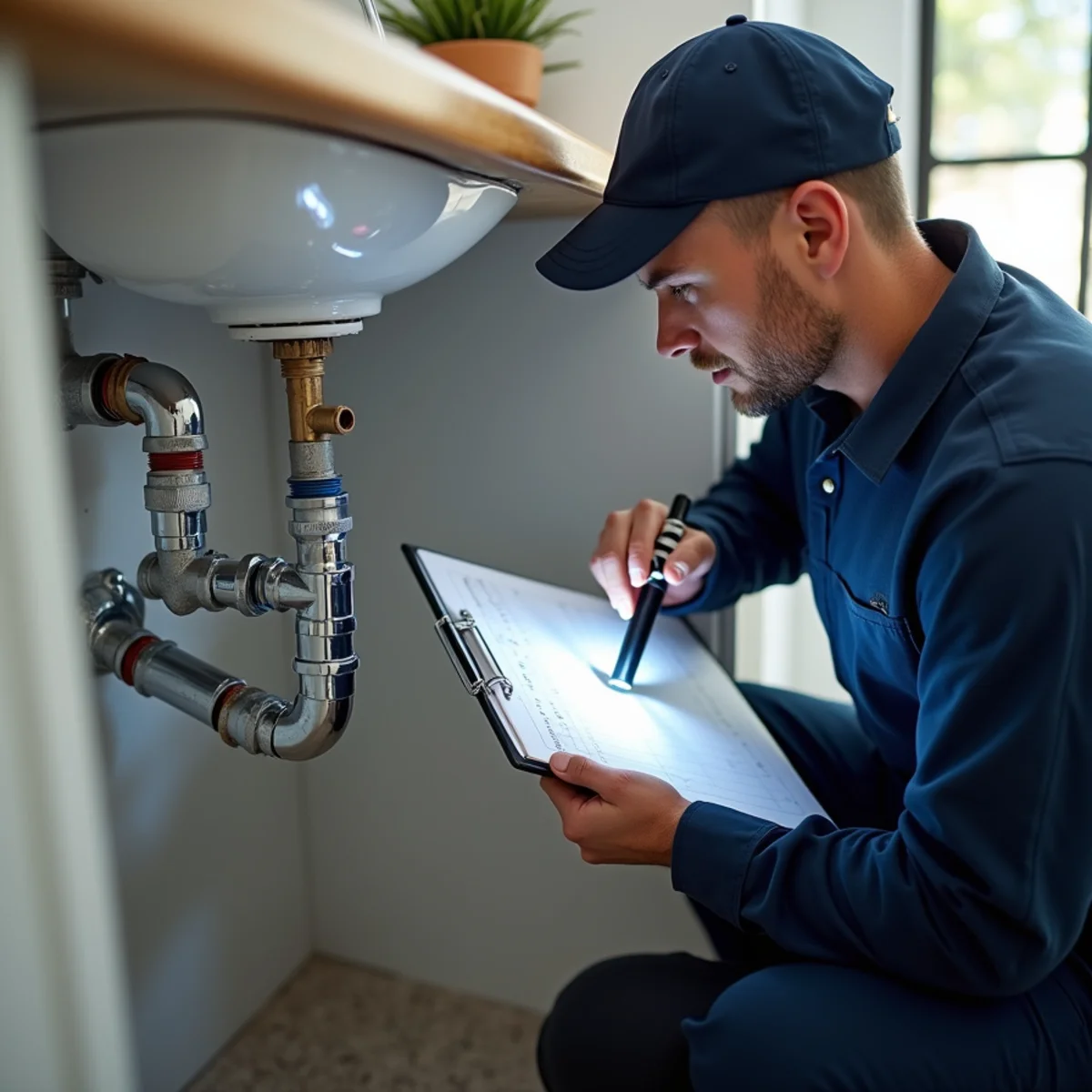
Most plumbing problems do not appear overnight. They build quietly, from a slow drip, a bit of sediment, or a drain that has been emptying a little slower each week. Regular maintenance gives you a chance to catch those issues while they are still small and cheap to fix.
You do not need special training for most of this work. A steady routine and a willingness to look and listen closely go a long way, and the habit pays off in fewer surprises and a longer life for fixtures and appliances.
This checklist breaks maintenance into monthly, seasonal, and annual tasks, adds notes on caring for the water heater and water pressure, and marks clearly what to leave to a professional and when to call for help.
Why routine maintenance matters
Small plumbing issues tend to grow. A minor leak can rot a cabinet base, a slow drain can become a full clog, and sediment in a water heater can shorten its life. Catching these early is far less disruptive than dealing with the aftermath and the water damage that can come with it.
Maintenance also helps you learn what normal looks like in your home, so an unusual sound, smell, or water bill stands out sooner. That awareness is often what turns a would-be emergency into a small, planned repair.
None of this requires much time. A few minutes a month, a short seasonal pass, and one longer check each year cover the essentials for most homes, and the routine builds a habit of noticing before problems escalate.
Monthly tasks
These quick checks take only a few minutes and are easy to fold into a regular routine. The aim is simply to look and listen, since most early warning signs are visible or audible if you pay attention.
It can help to pick a consistent day, such as the first of the month, so the routine does not slip.
- Look under sinks for drips, water stains, or a musty smell
- Run water in guest bathrooms and floor drains to keep traps from drying out and letting odors in
- Clear hair and debris from visible drain openings and stoppers
- Check toilets for a running sound or a phantom refill, which often means a worn flapper
- Listen for banging, whistling, or hammering pipes, which can point to a pressure issue
- Glance at your water bill for unexpected increases
- Wipe around the base of toilets and the water heater to spot new moisture
Seasonal tasks
Some maintenance fits naturally with the changing seasons, and the foothill climate around El Dorado Hills, with dry summers and occasional winter cold snaps, makes a few of these worth timing well.
Spring
Inspect outdoor faucets and hose bibs for drips after winter, since freezing weather can crack a spigot that only reveals the damage when you turn it on. Check irrigation lines for leaks, test the pressure at a few fixtures, and clear gutters and yard drains before heavier use so water has a clear path away from the foundation.
Summer
Watch outdoor and irrigation water use, look for soggy spots in the yard that may signal a hidden line leak, and check that sprinkler heads are not spraying against the house. A summer bill that climbs without a change in habits often points to an outdoor line that needs attention.
Fall
Disconnect and drain garden hoses, insulate exposed pipes in unconditioned spaces such as garages and crawl spaces, and confirm outdoor shutoffs work before colder weather. Handling this before the first cold snap is far easier than dealing with a frozen or burst line later.
Winter
Keep an eye on pipes in garages and exterior walls during cold snaps, and know how to shut off water quickly if a pipe freezes. On especially cold nights, letting a faucet drip and opening cabinet doors to warm the pipes beneath can reduce freeze risk.
Annual tasks
Once a year, set aside time for the deeper checks that are easy to forget. These are the tasks that protect the bigger and more expensive parts of the system.
Testing the main shutoff is worth singling out. A valve that is never turned can seize in place, and the moment you discover that is usually the moment you most need it to work. Turning it off and back on once a year keeps it functional and confirms it still stops the water.
- Test your main water shutoff valve so it does not seize when you need it
- Inspect the water heater for corrosion, moisture, or unusual noise, and flush it if due
- Check exposed pipes in basements, crawl spaces, garages, and utility areas
- Clean aerators and showerheads that have slowed from mineral buildup
- Inspect washing machine supply hoses for bulging, cracking, or brittleness
- Test any sump pump before the wet season so it is ready
- Exercise angle-stop valves under sinks and toilets so they still turn
Water heater care
The water heater rewards a little attention. Sediment tends to collect in the tank over time, and in areas with harder water it can build up faster, which may reduce efficiency and shorten the unit's life.
Flushing the tank on a schedule and keeping the surrounding area clear are common maintenance steps. It also helps to check the temperature setting, since a moderate setting reduces scald risk and eases wear, and to keep flammable items away from a gas unit and its combustion air path.
If you are unsure how often to flush yours or how to do it safely, a plumber can advise based on your unit and water conditions. Gas models in particular add complexity, so there is no harm in having the flush handled or demonstrated the first time.
Water pressure and quality checks
Two things quietly shape how long your plumbing lasts: the pressure pushing through it and the minerals dissolved in it. Both are easy to overlook because they do their damage slowly.
Pressure that runs too high stresses fittings, supply hoses, and appliance valves, and can be worth measuring if the water feels unusually forceful or pipes bang. Harder water leaves scale that narrows pipes and coats fixtures over time. If you notice crusty buildup, spotty glassware, or appliances wearing faster than expected, a water test and a professional read can tell you whether treatment or a pressure adjustment would help.
What to leave to a professional
Some tasks call for training, tools, or code knowledge, and are better handed off than attempted.
- Diagnosing hidden or recurring leaks
- Anything involving gas lines or gas appliances
- Sewer line concerns or repeated whole-house backups
- Water pressure that seems too high or too low
- Repiping, major fixture replacement, or work behind walls
Signs it is time to call
Maintenance helps you notice trouble early, and some findings warrant a professional look. Persistent leaks, drains that clog again after clearing, discolored water, a spiking bill, or a water heater making new noises are all worth investigating.
A few situations deserve prompt attention rather than a wait-and-see approach, such as multiple drains backing up at once, the smell of sewage, or any hint of a gas odor near an appliance. These can point to problems that are harder to reverse the longer they run.
When a task moves beyond routine upkeep, reaching out to a local plumber can keep a small issue from turning into a larger repair, and it saves you from guessing at a cause that a professional can confirm quickly.
Need a plumber in El Dorado Hills?
Wedlisse Plumbers helps homeowners across El Dorado Hills and nearby communities. Call or request service any time.
Frequently asked questions
A quick look each month, a few seasonal tasks, and a deeper annual check cover most homes. Older homes or those with hard water may benefit from more frequent attention.
It cannot prevent every leak, but catching drips, corrosion, and sediment early often stops small problems from becoming major repairs and water damage.
It is generally not recommended. Chemical cleaners can damage pipes and rarely fix the underlying cause. Mechanical clearing or a professional is a safer route for stubborn drains.
Testing the main shutoff valve and flushing the water heater are two of the most commonly skipped, yet both can save real trouble later.
Yes. Rubber supply hoses can bulge or crack with age and are a common cause of sudden flooding. Inspecting them yearly and replacing worn or brittle hoses is a simple safeguard.
It can. Harder water tends to leave more scale in the water heater, on fixtures, and inside pipes, so more frequent flushing and aerator cleaning may help. A water test can tell you how hard yours is.
Related articles
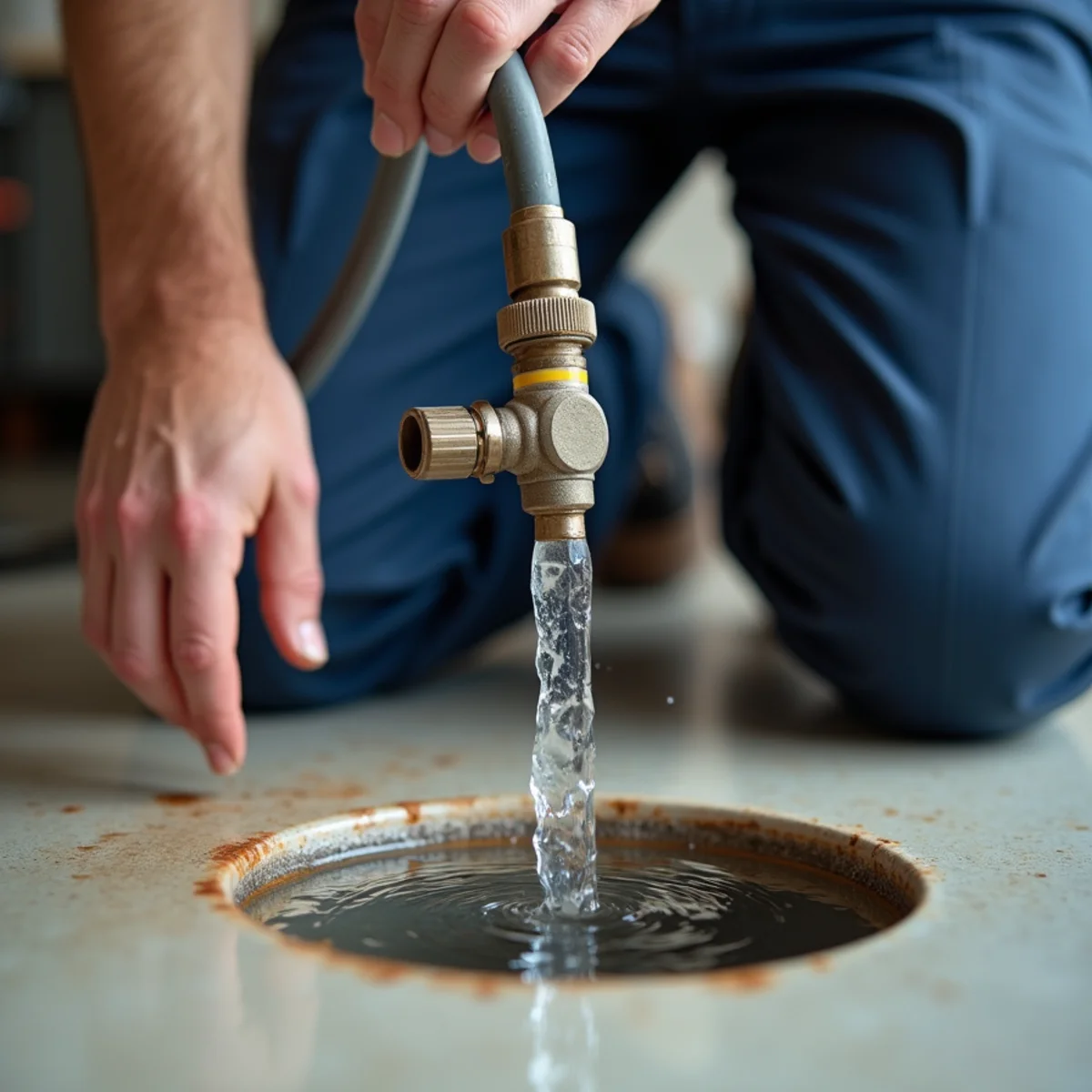
How Often Should a Water Heater Be Flushed?
Flushing clears the sediment that builds up in a water heater. Here is how often it is generally recommended and how hard water changes the schedule.
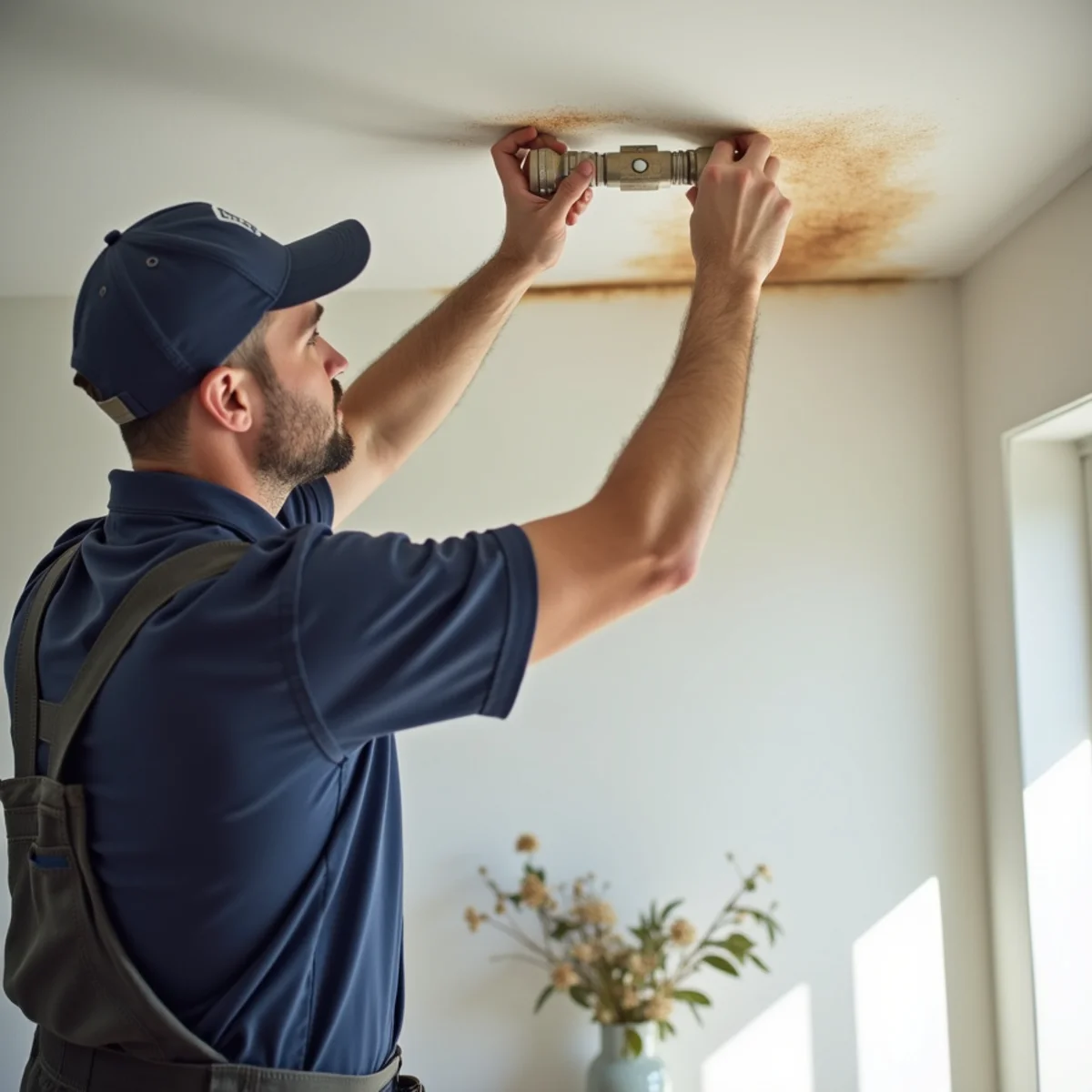
Seven Signs You May Have a Hidden Water Leak
A hidden leak can quietly raise your bill and damage your home for weeks. Here are seven signs worth watching for, and how to check if water is escaping unseen.
What Causes Recurring Drain Clogs?
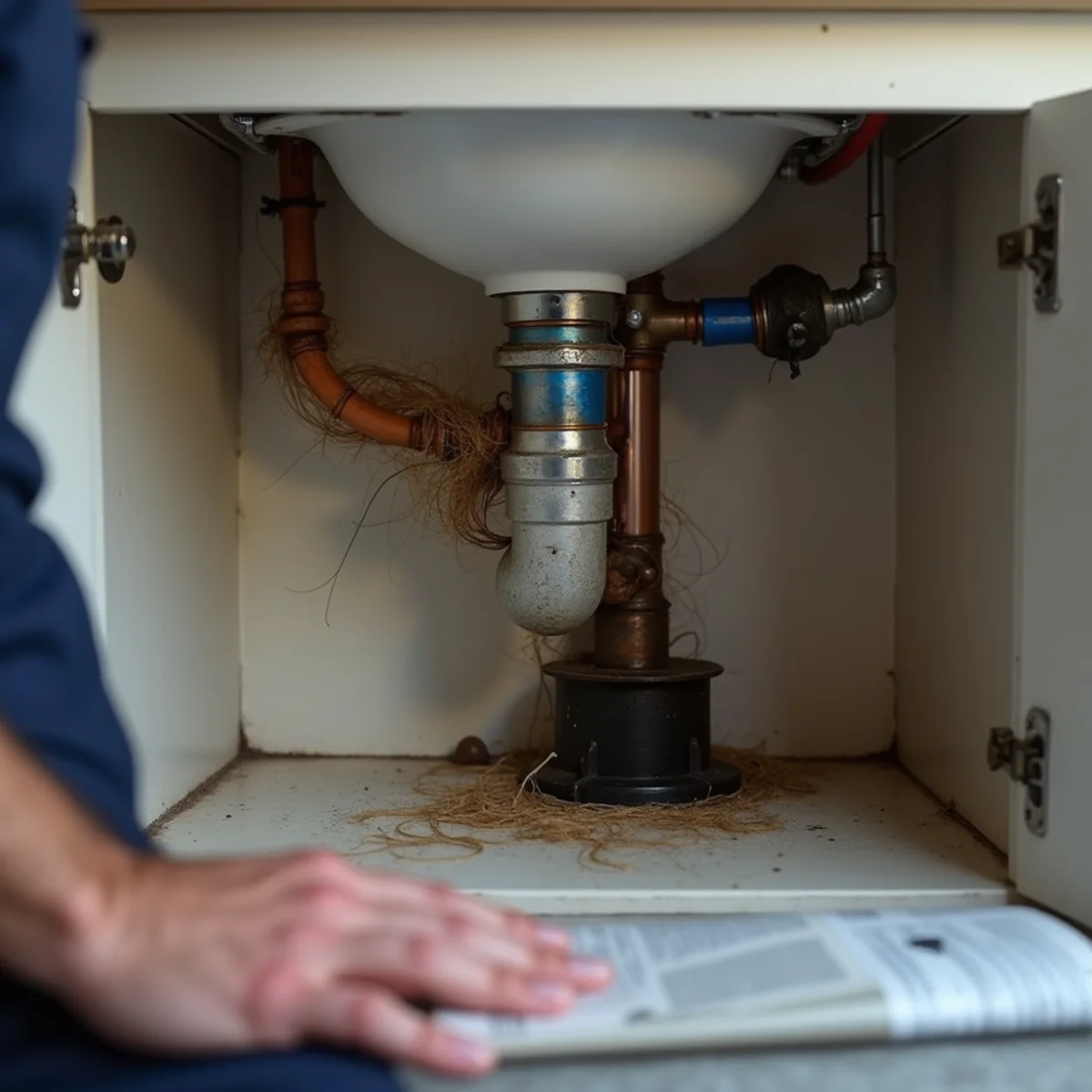
If the same drain clogs again and again, the real cause is usually deeper than the clog itself. Here is what drives repeat blockages and how to break the cycle.