What Causes Recurring Drain Clogs?
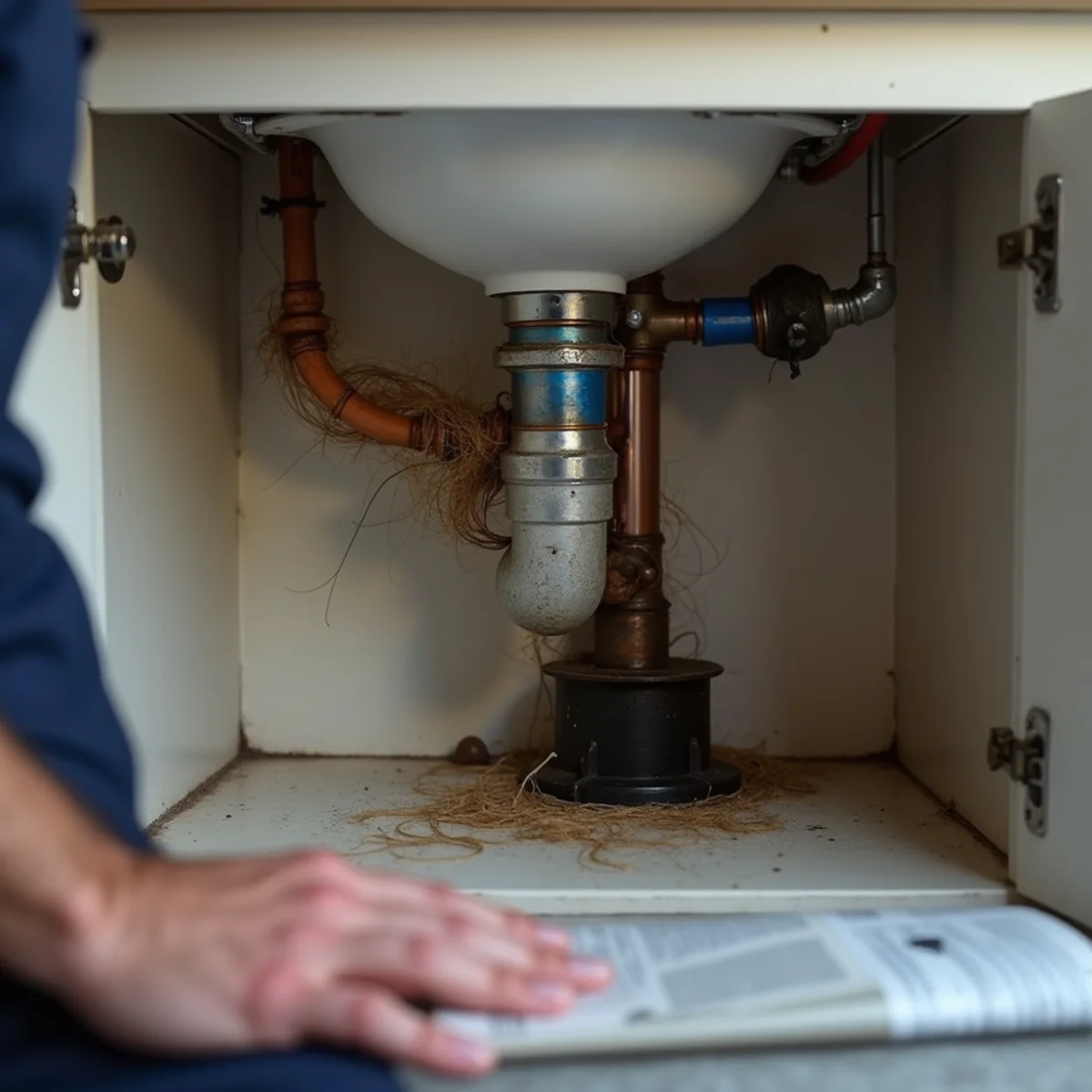
Clearing a clogged drain feels like a win, until the same drain backs up again a few weeks later. When a clog keeps returning, the plunger or store-bought cleaner is treating a symptom rather than the cause.
Recurring clogs almost always mean something is building up faster than it clears, or that part of the drain line has a problem that keeps catching debris. The pattern of which drains slow down, and how often, usually holds the clue.
This guide explains why quick fixes let clogs return, the usual reasons drains clog over and over, what makes some homes more prone to it, and the steps that can finally break the cycle.
Why the same clog keeps coming back
A drain that clogs again and again is telling you something the plunger cannot fix. Most quick methods clear a narrow channel through the middle of a blockage without removing the buildup coating the pipe walls or the deeper problem holding debris in place.
A plunger or a chemical cleaner may punch a hole that restores flow for a while, but the surrounding gunk keeps catching the next round of material. Within weeks, the passage narrows again. That repetition is itself a signal: the true cause has not been reached yet, and it is worth identifying rather than treating over and over.
Grease and fat in the kitchen line
In kitchen drains, cooking grease is a frequent culprit. Poured down warm, it looks harmless, but it cools and hardens inside the pipe, then collects food particles until the passage narrows.
Because grease builds up in layers, a clog that seems cleared can return as the remaining buildup keeps catching debris. Wiping greasy pans before washing and collecting oil in a container rather than the sink helps slow this pattern.
Hot water and dish soap can seem to wash grease away, but they mostly move it a little farther down the line, where it cools and settles again. That is why a kitchen drain can seem fine for weeks and then back up without an obvious trigger.
Hair and soap buildup in bathrooms
Bathroom sinks, tubs, and showers face a different mix. Hair binds with soap scum and skin oils to form a dense mat that clings to the walls of the pipe and the stopper mechanism.
This buildup grows gradually, which is why a shower that drains slowly one month can back up entirely the next. A simple drain screen that catches hair before it enters the pipe is one of the more effective preventive habits.
Pop-up stoppers and drain assemblies are also common collection points. Lifting out the stopper in a bathroom sink and clearing what has gathered around it can restore flow surprisingly often, without touching the pipe itself.
Hard water and mineral scale
Water with a high mineral content can leave scale inside pipes over time. In many homes across the region, hard water is common, and the mineral deposits it leaves can roughen pipe walls and shrink the interior diameter.
A narrower, rougher pipe catches debris more easily, so hard water can quietly make a drain more clog-prone even when your habits have not changed. A professional can tell you whether scale is contributing in your case.
Scale also tends to combine with soap to form a stubborn film that ordinary flushing does not remove. Homeowners dealing with hard water sometimes find that addressing water quality more broadly, in addition to clearing the drains, reduces how often clogs come back.
What is going down the drain
Some clogs come down to what enters the drain in the first place. Several everyday items resist breaking apart and tend to lodge in the line, and they cause trouble whether or not the pipe already has buildup.
- Coffee grounds and eggshells, which clump rather than dissolve
- Starchy or fibrous food scraps that swell or tangle
- So-called flushable wipes, which do not break down like toilet paper
- Cotton products, dental floss, and similar items that snag and hold other debris
The garbage disposal is not a catch-all
A disposal grinds food, but the ground particles still have to travel through the drain. Fibrous or starchy scraps can turn into a paste that coats the pipe, so scraping plates into the trash or compost before rinsing eases the load on the line.
Problems inside the drain line itself
When a drain keeps clogging despite good habits, the line itself may have an issue that keeps trapping debris. These causes are harder to see but important to rule out.
Bellied or sagging pipe
A section of pipe that has dipped, sometimes from soil movement or settling, creates a low spot where water slows and solids collect. Ground shifts over dry-summer and wet-winter cycles may contribute to this in some homes, and no amount of snaking removes the dip itself.
Tree root intrusion
Roots seeking moisture can enter small cracks or joints in an underground drain or sewer line and grow into a mesh that catches everything passing through. This is a common reason a main line clogs repeatedly, especially in yards with mature trees.
Damaged or misaligned sections
Cracks, offsets at joints, or partial collapses give debris a place to snag. A camera inspection can confirm whether the pipe has a physical problem rather than a simple buildup.
A blocked or restricted vent
Drains rely on vent pipes to let air in so water flows smoothly. A vent blocked by a nest or debris can cause slow drains, gurgling, and repeated backups even when the pipe itself is clear.
Telling a simple clog from a deeper problem
Not every recurring clog has the same root cause, and the pattern often hints at where the trouble sits. Paying attention to which drains are affected can save time and point toward the right fix.
A single fixture that slows down again and again usually has a local buildup in its own trap or branch line. When several fixtures act up together, or the lowest drains in the home back up first, the shared main line is more likely involved, which is a different and more pressing situation.
- One slow drain: often a local buildup of hair, grease, or debris
- Several drains slow at once: possible main-line blockage or restriction
- Gurgling or a persistent odor: air or waste struggling to move through the line
- Backups when the washing machine drains: a sign the main line cannot keep up
How to break the cycle for good
Ending recurring clogs means matching the fix to the cause. A surface clog responds to good habits and periodic cleaning, while a line problem needs a more thorough approach.
A professional can clear a line fully rather than just punching a hole through the blockage, and a camera inspection can reveal whether roots, a belly, or damage is the underlying reason. From there, options like thorough drain cleaning, hydro jetting, or a targeted repair address the real source.
The goal is to stop treating the same clog over and over. If you have cleared a drain more than once or twice and it keeps returning, that repetition is itself a signal that the cause has not been reached yet, and it is reasonable to reach out to a local plumber to find out why.
Everyday habits that keep drains flowing
Once the underlying cause is addressed, a few simple habits go a long way toward keeping a drain clear. Prevention is far easier than repeatedly clearing the same blockage, and most of these steps cost little more than a moment of attention.
- Use drain screens in sinks, tubs, and showers to catch hair and food particles
- Keep grease, oil, coffee grounds, and fibrous scraps out of the kitchen line
- Flush drains periodically with hot water to slow buildup
- Clean pop-up stoppers and visible debris from drain openings now and then
- Avoid relying on caustic chemical cleaners, which can damage pipes and rarely solve a deeper problem
- For a line with a history of roots or grease, ask a plumber about a sensible cleaning interval
Need a plumber in El Dorado Hills?
Wedlisse Plumbers helps homeowners across El Dorado Hills and nearby communities. Call or request service any time.
Frequently asked questions
A plunger or chemical cleaner often opens a small channel without removing the surrounding buildup or fixing a line problem. The remaining debris keeps catching material, so the clog returns.
They rarely are. They can clear a partial blockage temporarily but do not address roots, buildup on pipe walls, or a damaged line, and repeated use can corrode pipes over time.
Repeated clogs in a main line, gurgling drains, or backups affecting several fixtures can point to roots. A camera inspection is the reliable way to confirm root intrusion.
It can. Mineral scale builds up on pipe walls, narrowing and roughening the interior so debris collects more easily. A plumber can assess whether scale is a factor in your home.
Occasional use is fine, but needing it repeatedly on the same drain signals an unresolved cause, such as buildup, a sag, or roots. Repeated aggressive snaking can also scratch or stress older pipes, so it is worth finding the real reason.
Yes. Drains need vent pipes to admit air so water flows freely. A vent blocked by a nest or debris can cause slow drainage, gurgling, and recurring backups even when the drain line itself is clear.
Related articles
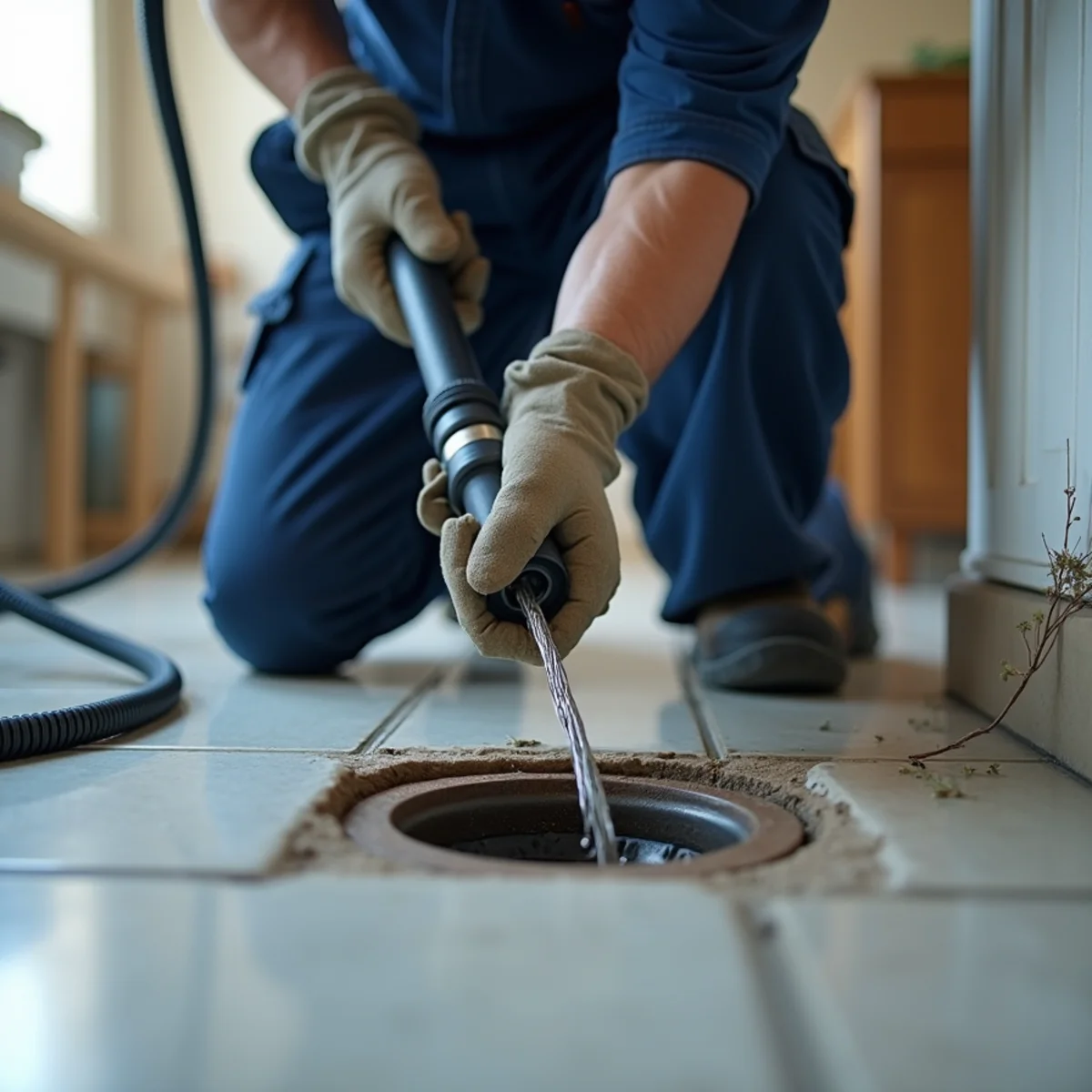
Drain Cleaning vs. Hydro Jetting: What's the Difference?
Snaking and hydro jetting both clear blocked drains, but they work differently and suit different problems. Here is how to tell which one fits your situation.
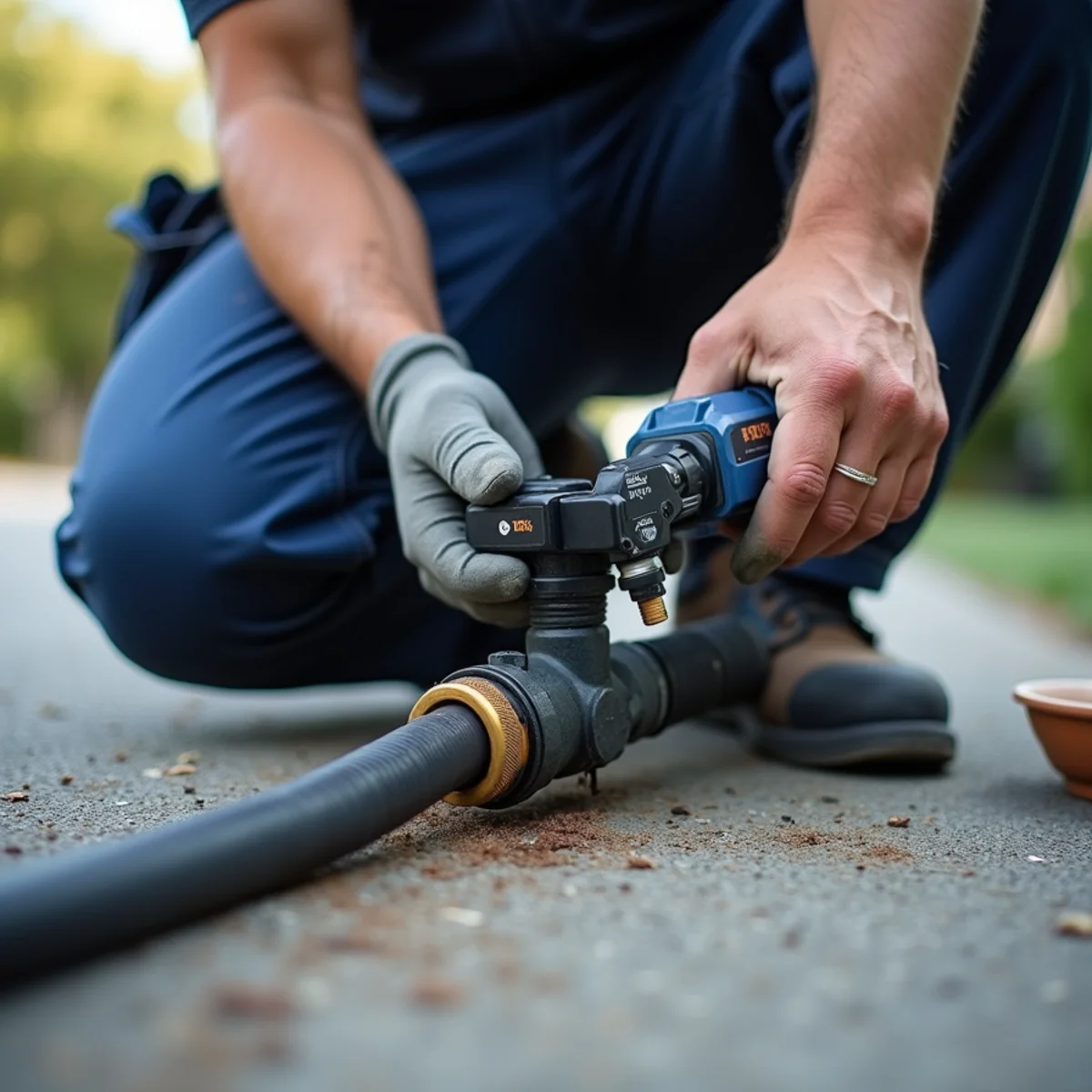
When Is a Sewer Camera Inspection Worth It?
A camera inspection lets a plumber see inside your sewer line without digging. Here is when it is genuinely worth doing and what the video can reveal.