Drain Cleaning vs. Hydro Jetting: What's the Difference?
When a drain is blocked, two methods come up most often: traditional drain cleaning with a cable, and hydro jetting with high-pressure water. Both can clear a clog, but they are not interchangeable.
Understanding how each one works makes it easier to see why a plumber might recommend one over the other, and what you are actually paying for. One clears a path through a blockage; the other scours the pipe from wall to wall.
This guide compares the two approaches, explains where each performs well, covers how a professional decides which fits a given drain, and touches on cost factors and safety. Knowing the difference can help you ask better questions when a plumber recommends one method over another.
How traditional drain cleaning works
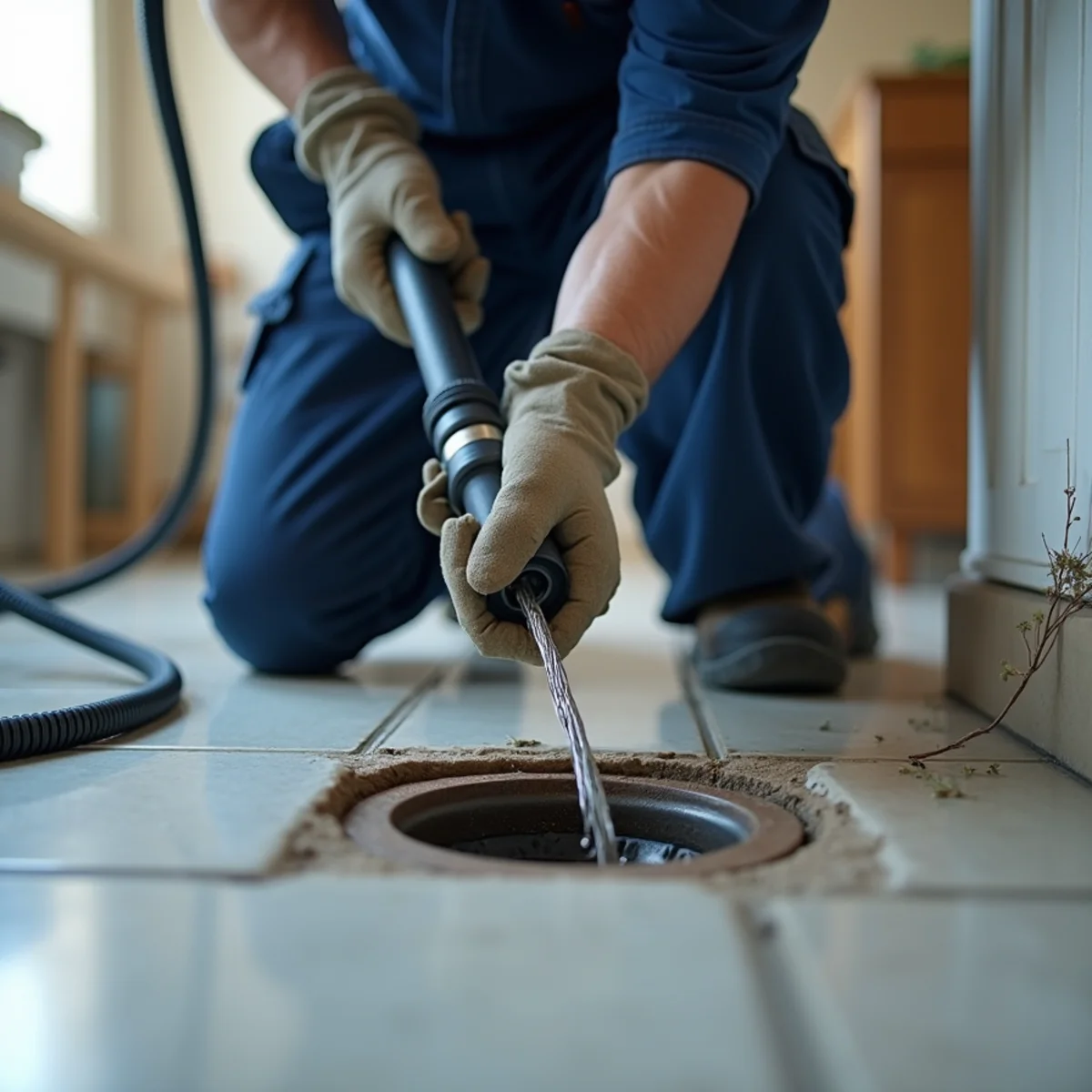
Traditional drain cleaning uses a flexible steel cable, often called a snake or auger, that feeds into the drain. A motor spins the cable so a cutting head or spiral tip can break through the blockage or hook and pull it out. The operator feels the resistance change as the tip reaches and works through the clog.
This method is effective at punching through a clog and restoring flow, especially for isolated blockages caused by a specific object or a wad of debris. It is a proven, widely used approach for everyday clogs.
Different heads attach to the cable for different jobs, from a simple bulb tip to a cutting blade for roots. A skilled operator chooses the head based on what is likely causing the blockage and how far down the line it sits.
How hydro jetting works
Hydro jetting uses a specialized hose with a nozzle that sprays water at high pressure in multiple directions. The forward jets cut through the blockage while rear-facing jets propel the hose through the line and scour the pipe walls as it advances.
Rather than boring a hole through a clog, jetting can flush out the full diameter of the pipe, removing built-up grease, scale, and sludge along the way. This is why it is often described as a more thorough cleaning rather than just clearing.
The pressure and nozzle can be adjusted for the size and condition of the line, so the same basic method scales from a kitchen branch line up to a main sewer line. Because it washes the debris out rather than pushing it ahead, jetting tends to leave less behind for the next clog to build on.
Key differences at a glance
The two methods differ in how completely they clean, what they handle well, and where each is the more suitable fit. Thinking of cabling as clearing a path and jetting as washing the pipe captures much of the distinction.
- Cabling breaks through a clog; jetting scours the whole pipe wall
- Cabling is well suited to a single, localized blockage or a snagged object
- Jetting is strong on grease, sludge, and buildup that coats a long run of pipe
- Jetting can also cut through many root intrusions, while a cable mainly clears the immediate obstruction
- Cabling may leave residue that lets a clog return sooner; jetting tends to leave a cleaner pipe
When each method makes sense
The right choice depends on the cause of the blockage, the condition of the pipe, and whether the problem keeps coming back. A first, simple clog and a years-old grease-coated main line call for different tools, even though both are blocked drains.
Good candidates for cabling
A sudden, isolated clog in a single fixture, a blockage caused by a specific object, or a situation where a quick, targeted clearing is all that is needed. It is also a common first step to open a line before further work.
Good candidates for hydro jetting
Recurring clogs, heavy grease buildup in a kitchen line, a main line coated with years of sludge, or root intrusion that a cable only nicks. Jetting is often chosen when the goal is to clean the line thoroughly, not just reopen it and hope the clog stays away for a while.
Is hydro jetting safe for every pipe?
Hydro jetting is powerful, and that power is worth respecting. On sound, modern pipes it is generally safe, but older or already-compromised lines can be a different story.
Pipes that are cracked, corroded, or fragile may not be good candidates for high-pressure jetting without first confirming their condition. This is one reason a camera inspection is often paired with jetting, so the plumber can verify the pipe can handle it and can target the cleaning where it is needed.
This is also why jetting is not a do-it-yourself project. The equipment is powerful, and using it without knowing the pipe's material and condition can turn a cleaning job into a repair. A trained operator matches the pressure to the line and stops if the pipe shows signs of weakness.
Where store-bought drain cleaners fit in
Chemical drain cleaners are a third option many homeowners reach for first, and it is worth being clear about their limits. They may dissolve enough of a soft clog to restore some flow, but they rarely remove the buildup coating the pipe walls, and they do nothing for roots, a sag, or a damaged section.
Repeated use can also corrode certain pipes and leaves caustic liquid sitting in the line, which is a hazard if a plumber later has to open it. For a clog that keeps returning, mechanical cleaning or jetting addresses the cause far more reliably than another bottle of cleaner.
What affects the cost of each approach
Pricing depends on the specifics of the job rather than a single flat figure, so a plumber can give a clearer estimate once the situation is understood. In general, cabling a straightforward clog is a lighter job, while jetting a long, heavily built-up main line involves more equipment and time.
Rather than fixating on the lowest upfront number, it helps to weigh how completely each method solves the problem. A thorough cleaning that keeps a line clear longer can be more economical than repeated visits to reopen the same clog.
Factors that influence the price
- The length of the line and how far the blockage sits from an access point
- Whether a usable clean-out exists or access is more difficult
- The cause and severity, such as a light clog versus heavy grease or roots
- Whether a camera inspection is included to confirm the pipe's condition
- How thoroughly the line needs cleaning to prevent a quick return
Keeping the line clear after cleaning
Whichever method clears your line, a little upkeep helps the result last. Cleaning restores flow, but the habits and conditions that caused the buildup are still present unless something changes.
For kitchen lines prone to grease, and main lines prone to roots or scale, some homeowners arrange periodic cleaning before a full blockage forms. A plumber can suggest a sensible interval based on what the line has done in the past and what an inspection reveals.
- Keep grease, coffee grounds, and fibrous scraps out of the drain
- Use drain screens to catch hair and food particles before they enter the line
- Flush drains periodically with hot water to slow buildup
- For a line with a history of roots or grease, ask about a maintenance interval
How a plumber decides
A professional weighs the cause of the clog, the material and age of the pipe, and your history of backups. For a first-time, localized clog, cabling may be the practical choice. For a line that clogs repeatedly or is heavy with grease and scale, jetting may address the root of the problem.
If you are unsure which your situation calls for, it is reasonable to reach out to a local plumber who can inspect the line and recommend the approach that fits, rather than defaulting to one method for every job.
In practice, the two methods often work together rather than competing. A cable may open a badly blocked line enough to get a camera through, an inspection confirms the pipe is sound, and jetting then cleans it thoroughly. Matching the tools to the pipe, rather than forcing one solution, is what leads to a result that holds up.
Need a plumber in El Dorado Hills?
Wedlisse Plumbers helps homeowners across El Dorado Hills and nearby communities. Call or request service any time.
Frequently asked questions
Neither is universally better; they suit different problems. Snaking is efficient for a single clog, while jetting cleans the whole pipe and handles grease, scale, and many roots more thoroughly.
On sound pipes it is generally safe. On older, cracked, or corroded lines it may not be appropriate, which is why a camera inspection often comes first to confirm the pipe's condition.
It depends on the line and how quickly it builds up. Some homes with recurring grease or root issues benefit from periodic jetting, while others may never need it. A plumber can advise based on your line's history.
It can cut through and flush out many root intrusions, though severe root growth or a damaged pipe may need additional repair. A camera inspection helps determine what the line requires.
It is not advisable. The pressure can injure the operator and can damage a pipe that is older or already weakened. A trained professional matches the pressure to the line and can confirm the pipe is sound first.
No. It relies on pressurized water alone to cut and flush out debris, which is one reason it is often preferred over caustic chemical cleaners for a thorough cleaning.
Related articles
What Causes Recurring Drain Clogs?
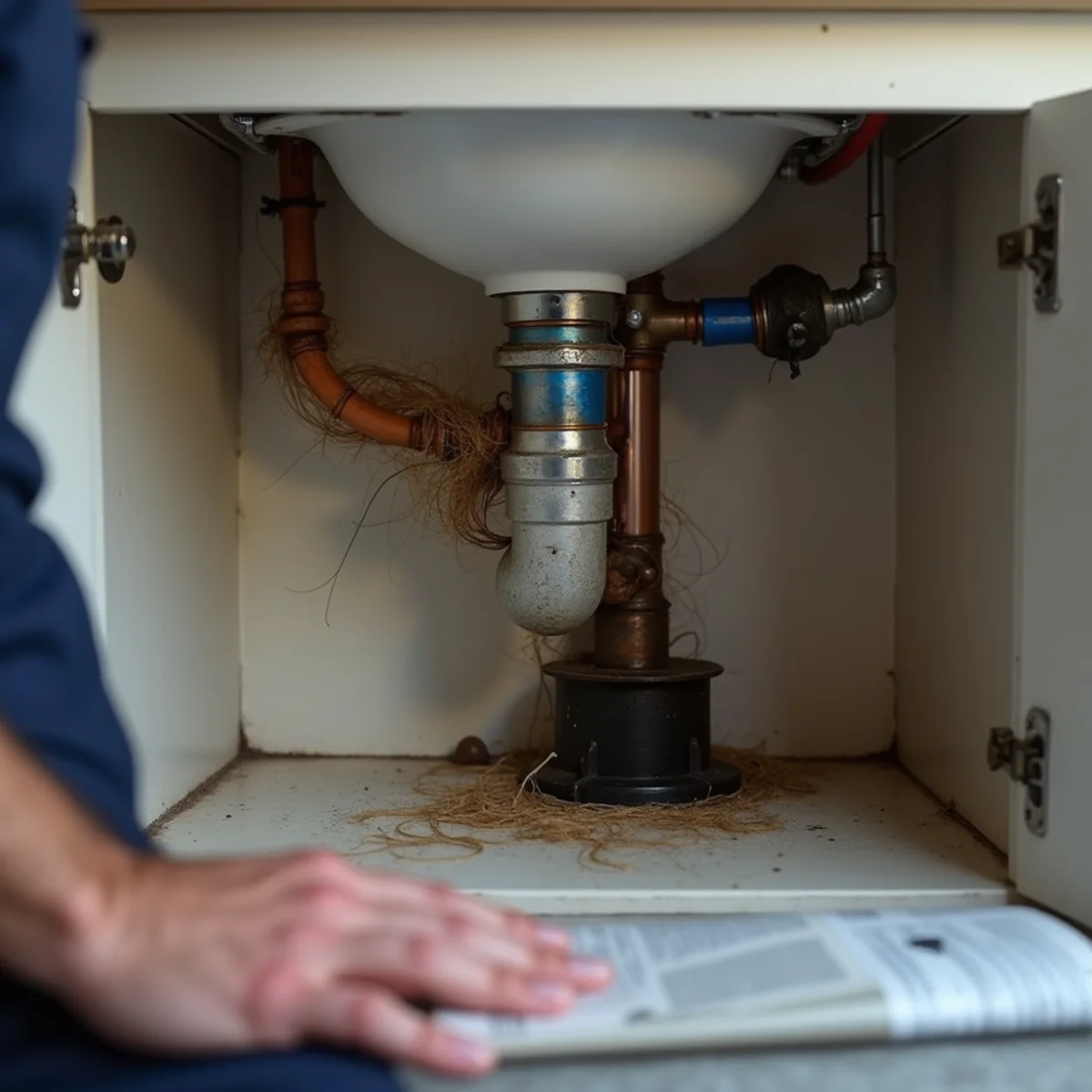
If the same drain clogs again and again, the real cause is usually deeper than the clog itself. Here is what drives repeat blockages and how to break the cycle.
When Is a Sewer Camera Inspection Worth It?
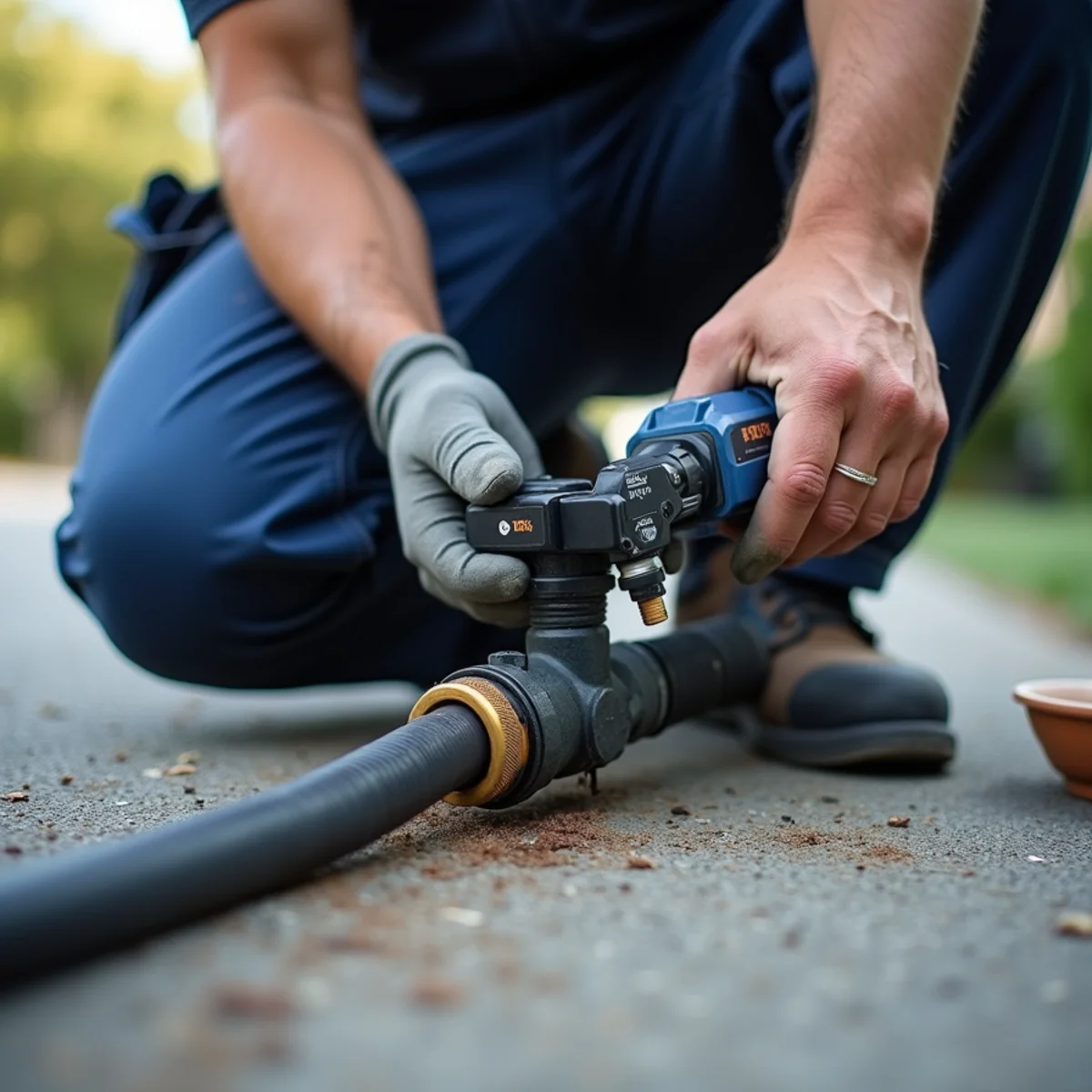
A camera inspection lets a plumber see inside your sewer line without digging. Here is when it is genuinely worth doing and what the video can reveal.