When Is a Sewer Camera Inspection Worth It?
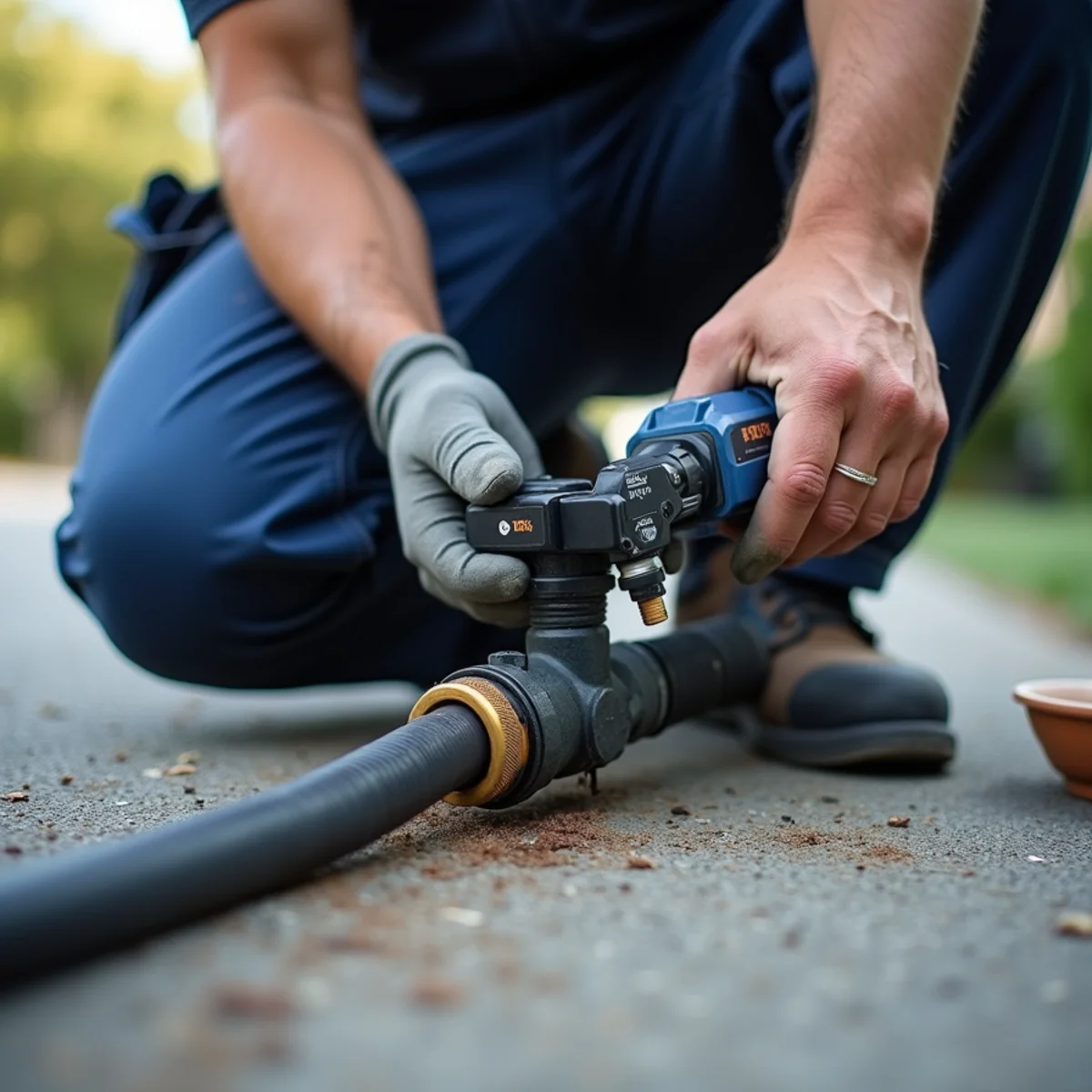
A sewer camera inspection sends a small, waterproof video camera down your sewer or main drain line, letting a plumber see exactly what is happening inside the pipe. It turns guesswork into a clear picture.
But an inspection is not needed for every clog, and it is fair to ask when the cost and effort actually pay off. The value depends on the symptoms, the age of the line, and whether a decision hinges on knowing the pipe's condition.
This guide explains how the inspection works, the situations where it tends to be worth it, what a plumber can learn from the footage, and how it can save money by catching a small problem before it becomes a large one. The aim is to help you decide when the information is worth the cost and when it is not.
How a sewer camera inspection works
A plumber feeds a flexible cable with a high-resolution camera on the tip into the line, usually through a clean-out access point. As the camera travels, it sends live video to a monitor so the pipe's interior is visible in real time.
Many systems also include a locating transmitter, which lets the plumber mark the exact spot and depth of a problem from above ground. That means a repair can be targeted precisely rather than exploratory.
The camera does not clear or fix anything on its own; it is a diagnostic tool. Its value is in replacing guesswork with a clear view, so decisions about cleaning or repair rest on what is actually inside the pipe rather than on assumptions.
Signs that point to an inspection
Certain symptoms suggest the trouble is in the main line rather than a single fixture, and these are the cases where a camera earns its keep.
- Drains throughout the house are slow or backing up at the same time
- A clog keeps returning no matter how often it is cleared
- Gurgling toilets or drains, or sewage odors indoors or in the yard
- Multiple fixtures back up when you run a washing machine or flush
- Soggy or unusually green patches in the yard over the sewer line path
Before buying a home
One of the clearest cases for an inspection is a home purchase. A standard home inspection rarely evaluates the underground sewer line, yet a failing line can be one of the more significant repairs a homeowner faces.
A pre-purchase sewer scope shows the true condition of the line before you commit. In areas with mature trees and older lines, roots and aging pipe materials are worth checking for, and knowing about them can inform the sale rather than becoming a surprise later.
The findings can also matter during negotiation. If an inspection turns up a problem, that information can be weighed before closing, while there is still room to address it, instead of landing on the new owner weeks after moving in.
For older homes and recurring problems
Homes with older sewer lines, or lines made of materials that degrade over time, can benefit from a look inside even without a dramatic backup. An inspection can catch a developing issue while it is still minor.
Recurring clogs
When a line clogs again and again, a camera can reveal whether roots, a sag, or a damaged section is the underlying reason, so the fix addresses the cause instead of repeating the same clearing. Paying once to understand the problem is often cheaper than clearing the same blockage several times.
Before major work
Ahead of a remodel, an addition, or landscaping that involves digging, an inspection can map the line's condition and location, helping you avoid surprises during construction. Knowing where the line runs also reduces the risk of damaging it while working nearby.
What the camera can reveal
The value of an inspection is in what it shows. Instead of guessing, a plumber can identify the specific problem and its location, then recommend a fix that matches the actual condition of the line.
That clarity often prevents unnecessary work. A line that looks troubled from the symptoms alone may turn out to need only a cleaning, while one that seems minor may reveal a break that would have failed later. Seeing inside removes much of the uncertainty from the decision.
- Tree roots that have entered joints or cracks
- Cracks, breaks, or sections that have collapsed
- A bellied or sagging area where waste collects
- Grease, scale, or debris buildup coating the pipe
- Offsets or separations at pipe joints
- The pipe material and general condition, which can guide long-term planning
How an inspection can save money
The upfront cost of a scope can feel like an extra expense, but it often prevents larger ones. Catching a crack, a minor root intrusion, or an early sag while it is small tends to allow a limited repair rather than a full replacement later.
An inspection also prevents paying for the wrong fix. Without a clear view, it is easy to keep clearing a clog that will always return, or to open the ground in the wrong spot. Seeing the actual problem, and its exact location, keeps the work targeted and avoids guesswork that adds cost.
What to expect during the visit
A camera inspection is usually straightforward and does not require digging. The plumber locates an access point, often a clean-out, feeds the camera into the line, and watches the monitor as it travels through the pipe.
You can typically watch along and ask questions in real time. A useful inspection ends with a plain explanation of what was found, where any problem sits, and what the reasonable options are, rather than just a verdict handed down without context.
- The plumber accesses the line through a clean-out or a removed fixture
- Live video shows the interior as the camera moves through the pipe
- A locator can mark the position and depth of anything of concern
- You should come away knowing the line's condition and your choices
Questions worth asking about the results
An inspection is only as valuable as what you do with it. When the plumber reviews the footage, a few questions help you understand the findings and avoid paying for work you do not need.
- What exactly did the camera show, and where along the line?
- Is this something to fix now, or to monitor over time?
- What is causing it: roots, buildup, a sag, or damage?
- What are the repair options, and how urgent is each one?
- Can I get a copy of the footage for my records?
When it may not be necessary
An inspection is not always the right first step. A single, first-time clog in one fixture usually does not warrant a camera, and clearing the blockage may be all that is needed.
If a plumber can resolve a straightforward issue directly, an inspection may add cost without adding much insight. The value rises when symptoms point to the main line, when problems repeat, or when you need to know a hidden line's true condition. A plumber can help you weigh whether it is worthwhile in your specific situation.
A reasonable rule of thumb is to consider an inspection when the same problem keeps coming back, when several fixtures are involved, or when a decision, such as buying a home or planning a repair, depends on knowing what the line looks like inside. Outside of those cases, clearing the issue and watching for it to return may be the more practical path.
Need a plumber in El Dorado Hills?
Wedlisse Plumbers helps homeowners across El Dorado Hills and nearby communities. Call or request service any time.
Frequently asked questions
Many inspections take under an hour, depending on the length of the line and how accessible the clean-out is. The plumber reviews the footage with you and explains anything of concern.
It is often worthwhile, since a standard home inspection usually skips the underground sewer line. A scope reveals roots, damage, or aging pipe before you buy, which can prevent a costly surprise.
Yes. Many systems include a locator that marks the position and depth of an issue from above ground, so any repair can be targeted rather than requiring wide digging to find it.
The camera itself only looks; it does not clear blockages. A plumber may clear the line first so the camera has a clear view, then inspect to find the underlying cause.
It varies with the length of the line, how accessible a clean-out is, and whether extras like recorded footage are included. A plumber can give a clear estimate for your situation, and the cost is often modest next to the repairs it can help avoid.
A clean-out makes access easier, but it is not always required. Without one, a plumber may enter through a removed toilet or another access point, which can affect the time and approach involved.
Related articles
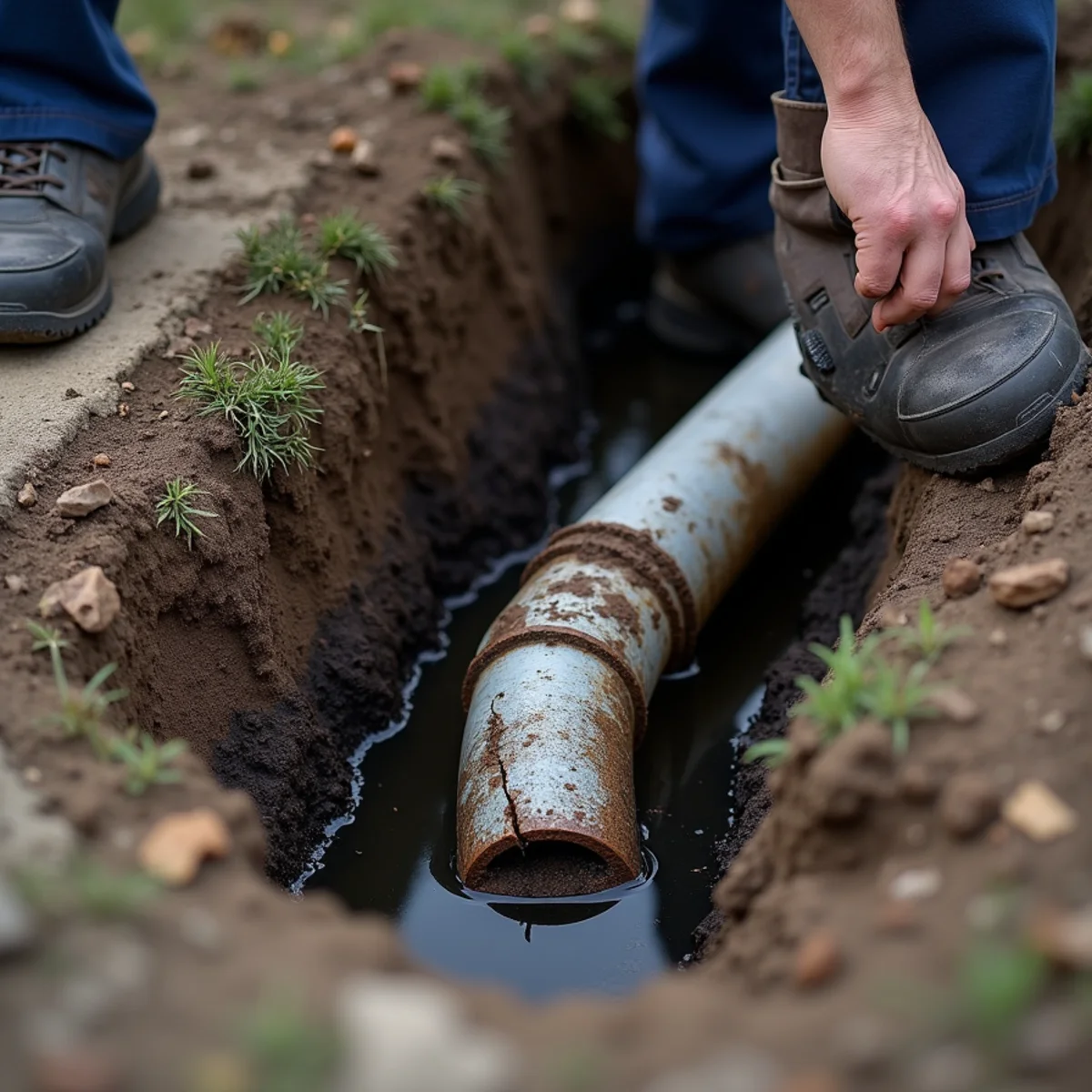
Warning Signs of Sewer Line Damage
Sewer line trouble often shows up as small clues before it becomes a backup. Here are the warning signs worth acting on early, and what they may mean.
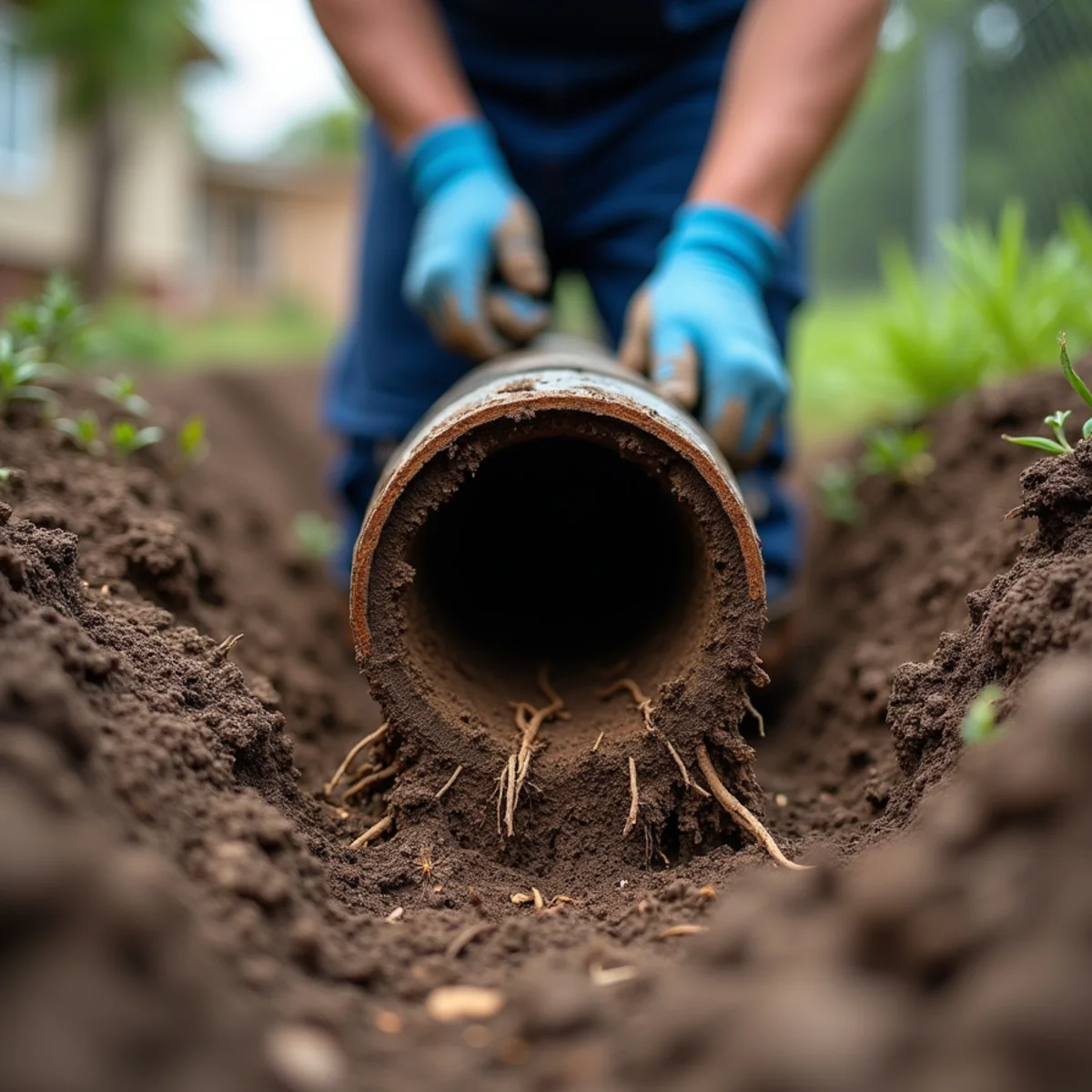
How Tree Roots Can Affect Sewer Pipes
Tree roots are drawn to the water inside sewer pipes and can slip into the smallest crack. Here is how root intrusion happens and how to manage it.