
How Tree Roots Can Affect Sewer Pipes
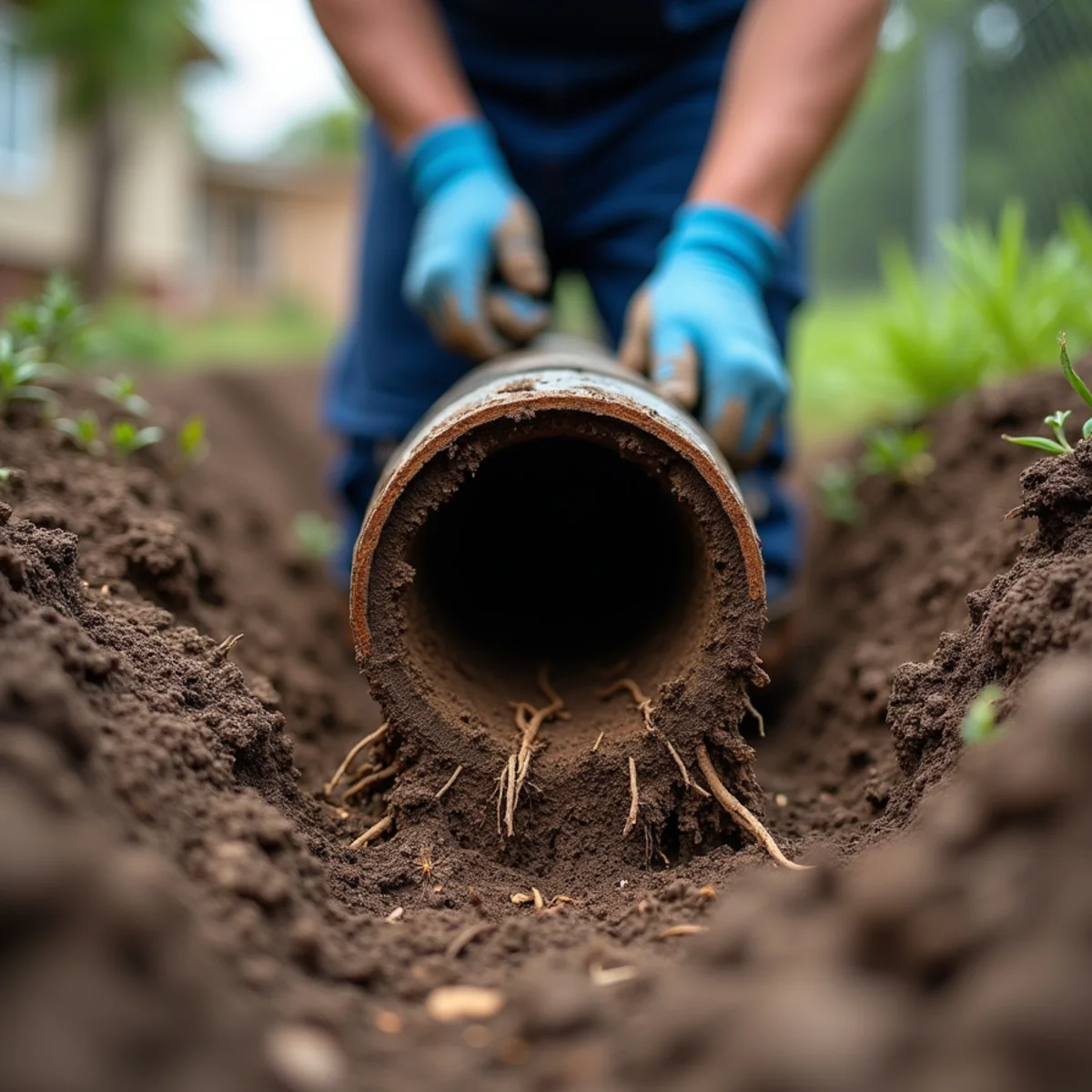
Trees add shade and character to a property, but their roots can become an unwelcome guest inside a sewer line. Roots are relentless in seeking water, and a sewer pipe carries exactly what they are looking for.
Root intrusion is one of the more common reasons an otherwise sound sewer line starts to clog, crack, or back up, often years after the trees were planted. Because roots grow slowly, the trouble tends to build over months before it becomes obvious.
This guide explains why roots target sewer pipes, which lines are most at risk, how to recognize the signs of intrusion, how professionals remove roots, and what longer-term fixes can reduce the odds they return.
Why roots are drawn to sewer lines
Roots grow toward moisture, nutrients, and oxygen, and a sewer line quietly offers all three. Even a sealed pipe can release a faint amount of vapor at its joints, and to a nearby root that is an invitation it will follow over surprising distances.
Warm, nutrient-rich water inside the line makes it especially attractive during dry conditions, when soil moisture is scarce. In areas that swing between dry summers and wet winters, roots may be particularly active in seeking out a steady water source underground.
This helps explain why root problems can seem seasonal. A line that flows fine through a wet stretch may back up once the surrounding soil dries out and roots turn to the pipe as their most reliable moisture source.
Which pipes are most at risk
Not every sewer line is equally inviting to roots. The material and age of the pipe, along with how its joints were made, influence how easily roots can find their way in.
Older pipes with joints sealed by materials that degrade over time tend to be more vulnerable, as do lines that have already shifted or cracked. Homes with large, established trees near the line's path may face more root pressure simply because there are more roots seeking water nearby.
- Older clay or cast-iron lines with aging joint seals
- Pipes that have cracked or shifted from soil movement
- Lines that run near large, mature, water-seeking trees
- Sections with existing small leaks that draw roots toward them
How roots get inside the pipe
Roots rarely puncture a solid, healthy pipe on their own. Instead, they exploit existing weak points, then grow once they find a way in. This is an important distinction, because it means the pipe usually has to be compromised in some small way before roots become a problem.
- Hairline cracks or gaps at pipe joints, where vapor escapes
- Aging pipe materials that have loosened or separated at connections
- Small existing cracks from ground movement or age
- Older joint seals that have deteriorated over time
What happens once roots take hold
Once a fine root slips through a gap, it thrives in the moist interior and grows. Over time, a single root can expand into a dense, hair-like mass that fills the pipe.
Catching debris
The root mass acts like a net, snagging toilet paper, grease, and solids that would normally flow past. This is why root intrusion so often shows up as a clog that keeps returning.
Widening the damage
As roots thicken, they can enlarge the original crack or joint gap, and in time they may crack or break the pipe further. What began as a small opening can become structural damage to the line, which is far more involved to repair.
Signs roots may be in your sewer line
Root intrusion tends to announce itself through the same channels as other main-line problems, but a few patterns are especially suggestive. Because roots grow slowly, the trouble usually builds over months, starting as an occasional slow drain and progressing toward more frequent backups.
- Slow drains or backups that keep coming back after clearing
- Gurgling sounds from toilets or drains
- A toilet that drains sluggishly across multiple fixtures
- Sewage odors indoors or near the line's path in the yard
- Several fixtures backing up at the same time
How professionals remove roots
Clearing roots and keeping them out are two different tasks, and a lasting result usually involves more than a single pass.
Mechanical cutting
A cable with a cutting head can shear away roots and reopen the line. This restores flow but often leaves root ends that can regrow, so it may be a first step rather than a complete solution.
Hydro jetting
High-pressure water can cut through and flush out root masses more thoroughly, scouring the pipe walls in the process. On a line sound enough to handle it, jetting can clean more completely than cutting alone, which may buy more time before roots regrow to the same extent.
Camera inspection
A camera confirms how far the roots extend and whether the pipe is cracked or displaced, so the plumber can recommend cleaning, a spot repair, or a longer-term fix based on what the line actually needs.
Longer-term fixes when roots keep coming back
Cleaning reopens a line, but if the entry point stays open, roots tend to return through the same gap. For a line with a history of intrusion, a more durable fix addresses the pipe itself rather than only the roots inside it.
The right option depends on the pipe's condition, which a camera inspection helps establish. Some approaches limit how much digging is involved, so it is worth asking a plumber what fits your specific line before assuming a full excavation is the only path.
- Trenchless relining, which forms a new, seamless surface inside the existing pipe to seal cracks and joints
- Spot repair of a single damaged section where the intrusion is localized
- Replacing a badly compromised run, sometimes with modern materials less inviting to roots
- Root barriers or thoughtful landscaping to steer future growth away from the line
Reducing the chance roots return
Because roots follow water, prevention focuses on sealing the line and being thoughtful about what grows near it. No approach is foolproof, but several steps can lower the risk and lengthen the time between problems.
The most durable results usually come from addressing the entry point, not just the roots inside. As long as the crack or gap that let roots in remains open, new growth tends to follow the same path, which is why cleaning alone rarely ends the cycle for good.
- Have recurring root intrusion inspected so the entry point can be identified
- Consider where new trees are planted relative to the sewer line's path, favoring less aggressive species
- Ask a plumber about repairing cracks or joints that let roots in
- For persistent cases, discuss options like relining or replacing a compromised section
When to bring in a plumber
If clogs keep returning, several drains act up together, or you notice sewer odors, roots are one likely explanation worth investigating. A camera inspection can confirm whether roots are the cause and how extensive they are.
From there, a plumber can match the response to the situation, whether that is cleaning the line, making a targeted repair, or planning a more durable fix. Reaching out early, while the intrusion is limited, tends to keep the work and disruption smaller.
Because roots grow back, a single clearing is rarely the end of the story on its own. Pairing the cleaning with a plan to address the entry point, and knowing what to watch for afterward, is what keeps a recurring problem from quietly returning season after season.
Need a plumber in El Dorado Hills?
Wedlisse Plumbers helps homeowners across El Dorado Hills and nearby communities. Call or request service any time.
Frequently asked questions
Roots seek the moisture and nutrients inside the line and enter through existing weak points such as cracked joints or small gaps. Once inside, they grow into a mass that catches debris and can widen the opening.
Store-bought products rarely resolve an established root mass and can be hazardous. Professional cutting or hydro jetting, guided by a camera inspection, is a more reliable way to clear roots and assess the pipe.
Cutting reopens the line but often leaves root ends that regrow. Lasting results usually involve thorough cleaning plus repairing or sealing the entry point so roots cannot return through the same gap.
Not necessarily. The entry point is the pipe's weak spot, so repairing the line and being mindful of future planting often matters more than removing established trees. A plumber can advise for your situation.
It depends on how quickly roots regrow and the pipe's condition. Some lines with a history of intrusion benefit from periodic cleaning until the entry point is repaired, and a plumber can suggest an interval based on what an inspection shows.
These products only affect roots they directly contact and do not repair the opening that let roots in, so results are limited. They can also be hazardous and are restricted in some areas, so it is worth checking local rules and considering a professional assessment first.
Related articles
Warning Signs of Sewer Line Damage
Sewer line trouble often shows up as small clues before it becomes a backup. Here are the warning signs worth acting on early, and what they may mean.
When Is a Sewer Camera Inspection Worth It?
A camera inspection lets a plumber see inside your sewer line without digging. Here is when it is genuinely worth doing and what the video can reveal.