Warning Signs of Sewer Line Damage
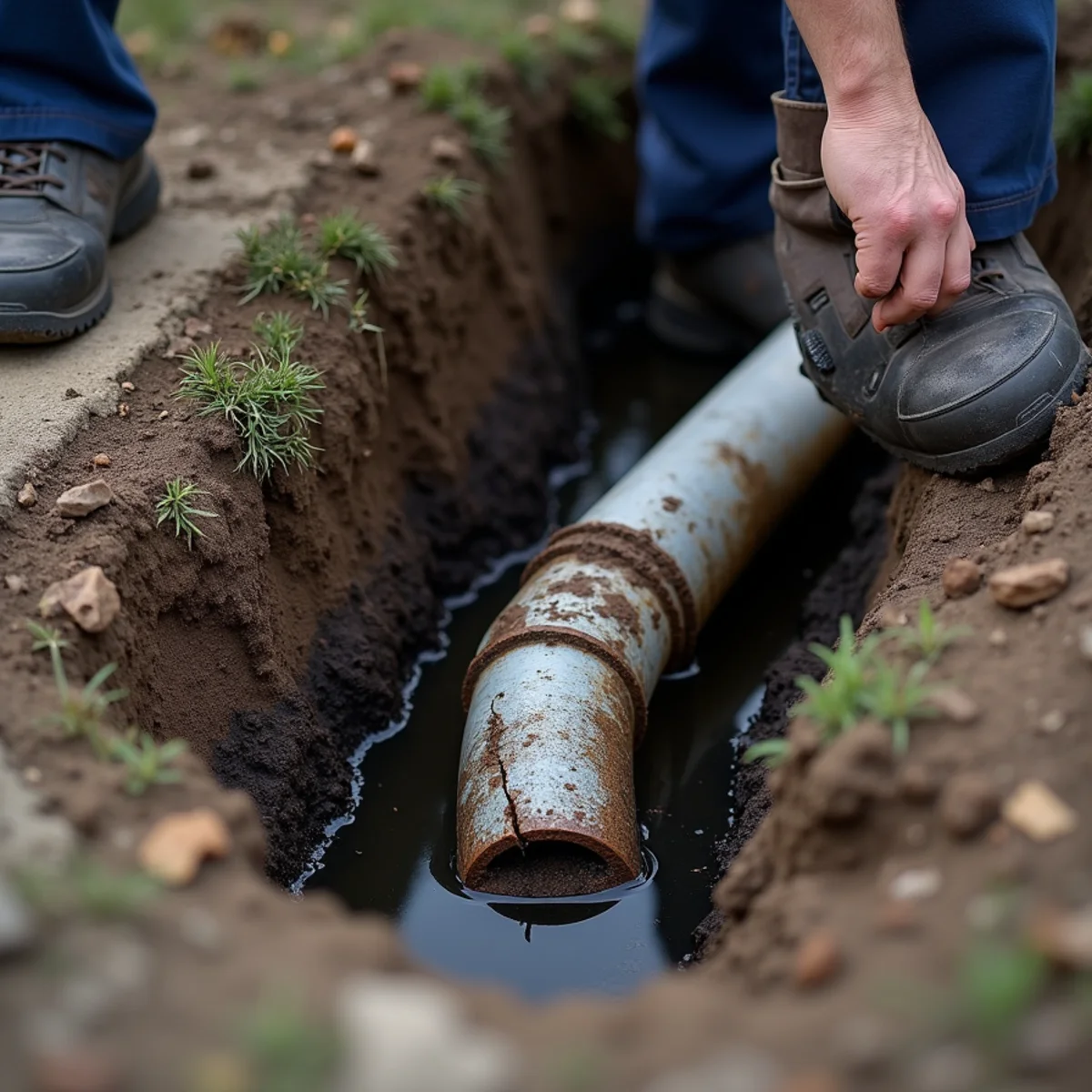
The sewer line carries waste away from your entire home, so when it starts to fail, the effects can reach many fixtures at once. Damage often develops slowly, giving off warning signs well before a full backup.
Recognizing those signs early can be the difference between a targeted repair and a messy, disruptive one. Waste backing up into a home is not only unpleasant but also a health concern, and problems in the line tend to worsen the longer they go unaddressed.
This guide covers the common warning signs of sewer line damage, what tends to cause it, how the problem is diagnosed and repaired, steps that can lower your risk, and when a symptom is serious enough to stop and call a professional.
Multiple drains acting up at once
A single slow sink usually points to a local clog. When several fixtures slow down or back up together, though, the problem is more likely in the shared main line that serves them all.
Pay attention if using one fixture affects another, such as flushing a toilet causing a tub to gurgle or a shower drain to bubble. That kind of connection is a strong hint that the main line is involved.
The lowest fixtures in the home tend to show trouble first, because that is where waste backs up when it cannot move down the line. A basement drain, a ground-floor shower, or a first-floor toilet acting up can be an early warning even before the upper floors are affected.
Gurgling sounds and sewer odors
Air trapped by a partial blockage can escape as gurgling noises from drains or toilets. If you hear bubbling when water drains, the line may be struggling to move waste and air normally, a sign the flow is being restricted somewhere downstream.
A persistent sewage smell, indoors near drains or outdoors along the line's path, is another red flag. A properly functioning sewer system should not release noticeable odors into your living space or yard, because the line and its vents are designed to carry gases safely away. A smell that lingers suggests that seal has been broken somewhere.
Backups and slow drainage
Frequent or worsening backups are among the clearest warnings. Water or waste that comes up in a tub, shower, or floor drain, especially the lowest fixtures in the home, suggests the main line cannot carry the flow.
It is worth noting how the pattern changes over time. A backup that once happened rarely and now occurs every few weeks, or one that takes longer to clear each time, points to a problem that is progressing rather than a one-time blockage.
- Water rising in a shower or tub when a toilet is flushed
- The lowest drains in the house backing up first
- Repeated backups that return soon after clearing
- A toilet that bubbles or drains sluggishly across multiple uses
Clues in the yard
Because the sewer line runs underground through the yard, damage can show up on the surface. These outdoor signs are easy to overlook but can be telling.
Soggy or extra-green patches
A leaking line releases moisture and nutrients into the soil, which can leave a patch of lawn that is greener, lusher, or wetter than the surrounding area even without rain or watering.
Sinkholes or sunken areas
A break that lets water and soil escape can cause the ground above to settle or sink. An unexplained depression or soft spot over the line's path may point to a failing pipe underneath.
Pests and odor outdoors
A cracked line can draw rodents or insects and give off sewage odors near the ground. These signs together strengthen the case for an inspection.
Structural and indoor signs
In some cases, a long-term leak beneath or around the foundation can contribute to problems inside the home. While many things cause these issues, they are worth noting alongside plumbing symptoms.
Persistent dampness in a lower level, unexplained mold, or new cracks that appear along with drain problems can prompt a plumber to check whether the sewer line is a factor. A professional can determine the source rather than assuming. Because these symptoms overlap with many other issues, they carry the most weight when they appear together with clear drainage problems.
What causes sewer line damage
Understanding the common causes helps explain why these signs appear and why some homes are more susceptible than others.
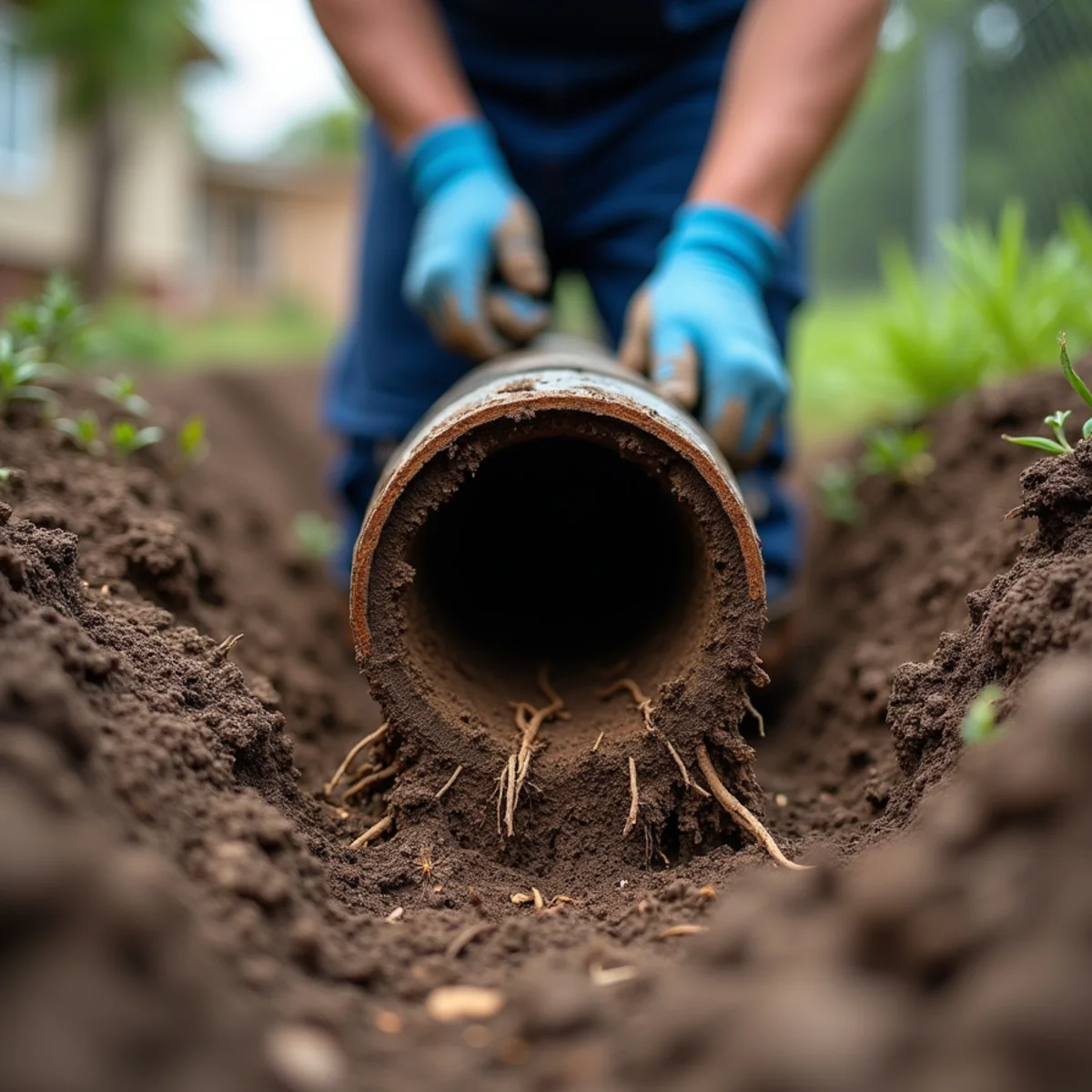
- Tree roots growing into joints and cracks, a frequent cause in yards with mature trees
- Aging or deteriorating pipe materials that crack or corrode over time
- Soil movement and settling, which can shift or sag a line over dry and wet seasonal cycles
- Grease and debris buildup that narrows the line and encourages backups
- Ground pressure, poor original installation, or nearby construction that stresses or breaks the pipe
How the problem is diagnosed and repaired
Because the sewer line runs underground, confirming what is wrong usually starts with a camera inspection rather than digging. The video shows whether the trouble is a clog, roots, a sag, or a break, and exactly where it sits along the line.
The repair then depends on the finding. A blockage may only need thorough cleaning, while a cracked or collapsed section calls for repair or replacement. In some cases, trenchless methods can address the line with limited digging, depending on its condition, which a plumber can assess after seeing the footage.
- A camera inspection pinpoints the type and location of the problem
- Cleaning may resolve a clog or root intrusion in an otherwise sound pipe
- Cracked, collapsed, or offset sections may need repair or replacement
- Trenchless options may be possible for some lines, reducing how much digging is needed
Steps that can lower your risk
No sewer line is guaranteed trouble-free, but a few habits can reduce the odds of damage and catch a developing problem early. Prevention centers on keeping the line clear and being mindful of what grows and happens above it.
- Keep grease, wipes, and fibrous debris out of drains and toilets
- Be thoughtful about planting large, water-seeking trees near the line's path
- Address recurring clogs promptly rather than clearing them repeatedly
- Consider a periodic camera inspection for older lines or yards with mature trees
- Note where the line runs so digging and landscaping avoid disturbing it
When to call a plumber
Some signs call for prompt attention. Sewage backing up into the home, several fixtures failing at once, or strong sewer odors indoors are situations where it is wise to stop using water and reach out to a local plumber.
A camera inspection can confirm what is happening inside the line and pinpoint the location, so any repair is targeted. Acting on early warning signs, rather than waiting for a full backup, tends to keep the problem and the repair smaller.
It also helps to keep a record of what you notice, such as when backups happen and which fixtures are affected. That history gives a plumber useful context and can make the diagnosis faster than starting from scratch.
Need a plumber in El Dorado Hills?
Wedlisse Plumbers helps homeowners across El Dorado Hills and nearby communities. Call or request service any time.
Frequently asked questions
A single slow drain is usually a local clog. Several fixtures backing up together, recurring blockages, yard odors, or gurgling point more toward the main line, which a camera inspection can confirm.
In some cases, trenchless methods can repair or replace a line with minimal digging, depending on the damage and pipe condition. A plumber can assess whether your line is a candidate after an inspection.
It can be. Sewage in the home is a health hazard and tends to worsen quickly, so it is wise to stop using water and contact a plumber promptly rather than waiting.
A persistent sewage odor outdoors can indicate a cracked or leaking line and is worth investigating soon. It rarely resolves on its own and often signals a growing problem.
It varies widely by policy, and many standard policies treat the underground sewer line differently from sudden indoor damage. Some homeowners add specific coverage, so it is worth checking your policy details with your insurer.
It depends heavily on the pipe material, the soil, and how the line has been maintained. Some materials last many decades while older ones degrade sooner, which is why a camera inspection is the reliable way to judge the condition of a specific line.
Related articles
How Tree Roots Can Affect Sewer Pipes
Tree roots are drawn to the water inside sewer pipes and can slip into the smallest crack. Here is how root intrusion happens and how to manage it.
When Is a Sewer Camera Inspection Worth It?
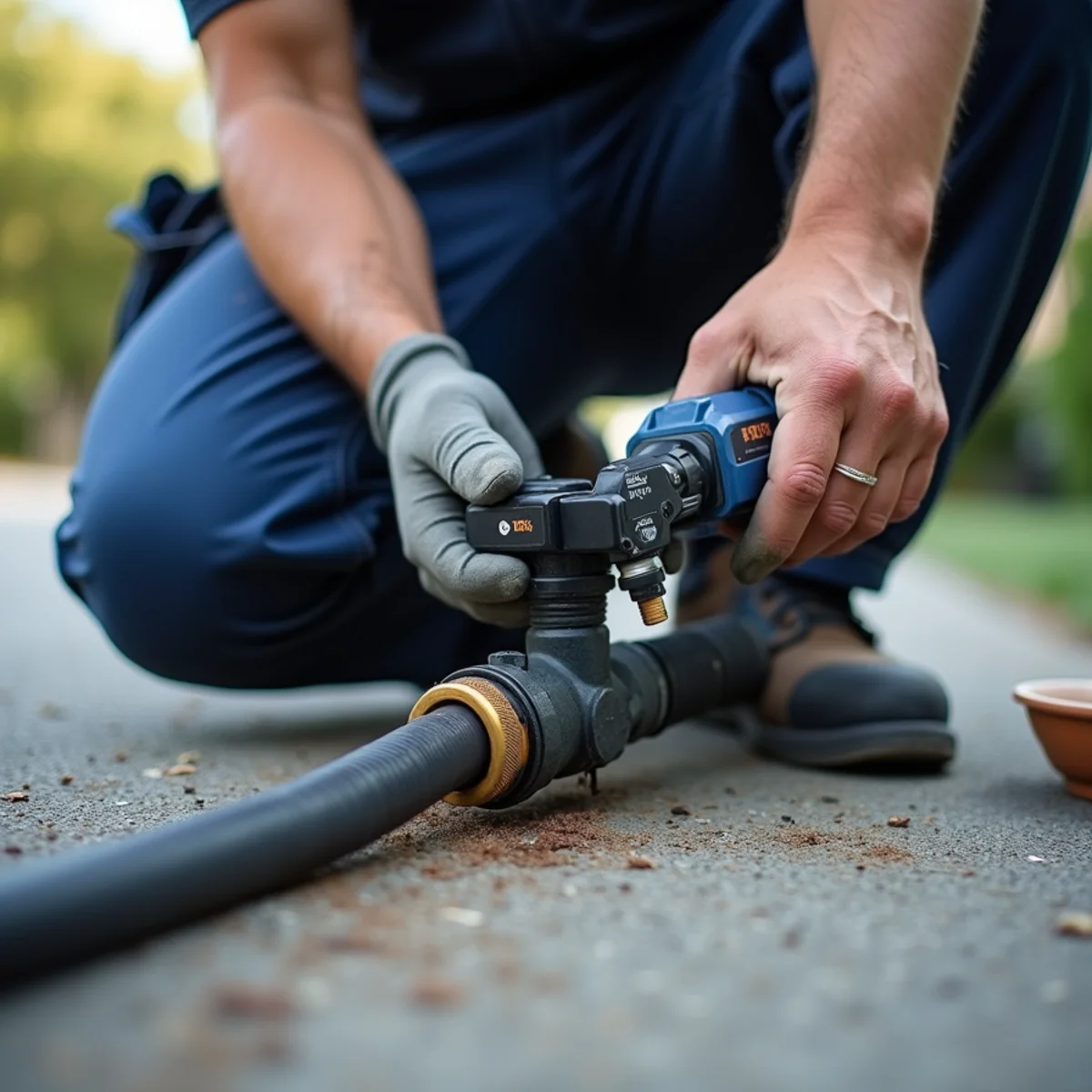
A camera inspection lets a plumber see inside your sewer line without digging. Here is when it is genuinely worth doing and what the video can reveal.