Drains & Sewer
Hydro Jetting in El Dorado Hills, CA
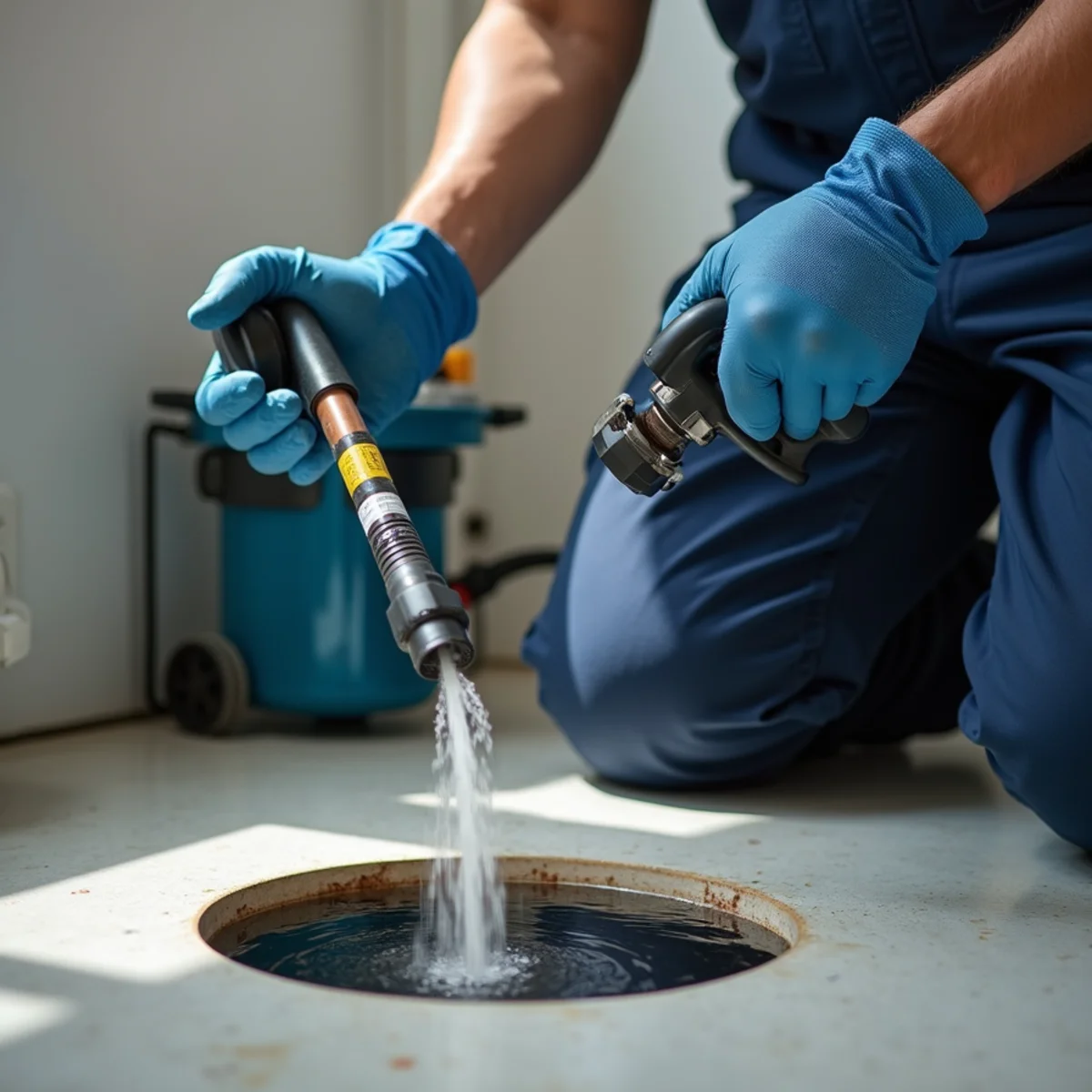
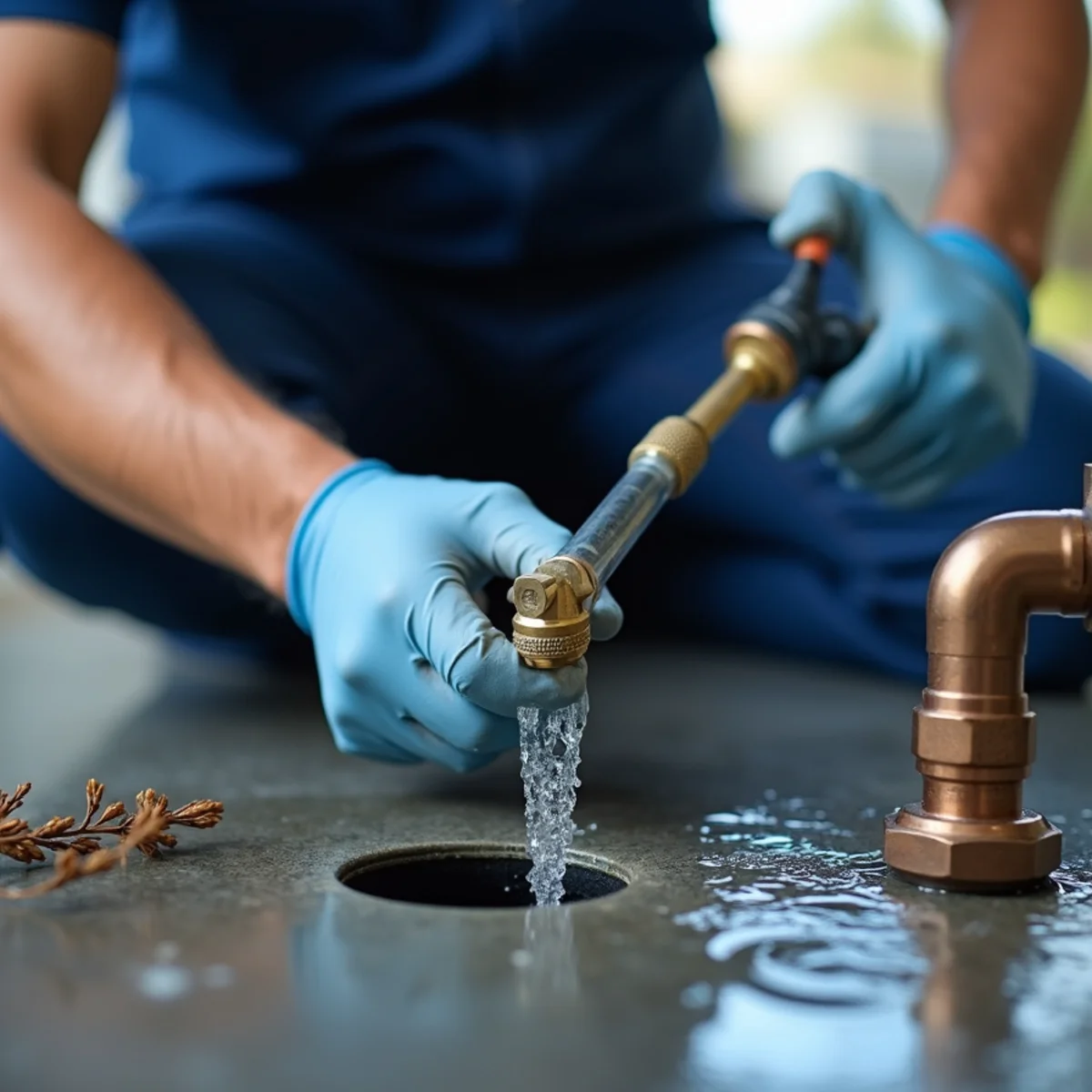
A cable can punch a hole through a clog, but it often leaves the coating that caused the clog still stuck to the pipe wall. Hydro jetting takes a different approach, sending high-pressure water through a specialized nozzle that scours that buildup away around the full circumference of the pipe, and Wedlisse Plumbers uses it on the tougher, more stubborn lines around El Dorado Hills.
The difference is easiest to picture in a greasy kitchen line. A snake bores a channel through the grease and the drain runs again for a while, but the grease is still there and closing back in. Jetting strips the wall back toward its original diameter, which is why a jetted line commonly stays clear far longer than a snaked one, especially where the buildup is the real problem rather than a single object.
Jetting is powerful, which is exactly why it is not the answer for every clog. High pressure belongs on buildup, roots and recurring mains, not on a lone hairball in a tub trap or on fragile, deteriorated pipe. We look at the line and the blockage first, often with a camera, so the method fits the pipe instead of the pipe having to survive the method.
- Residential & commercial service
- Clear service recommendations
- Respectful property protection
- Locally focused coverage
Signs You May Need Hydro Jetting
A few things homeowners often notice before calling us:
- A main line that clogs again within weeks of being cabled
- Grease and sludge that a snake pushes through but does not remove
- Slow drainage across the whole house after past clearings
- Roots that keep regrowing into a line between clearings
- Scale buildup narrowing older pipe and cutting down flow
- A kitchen or shared line prone to recurring greasy backups
- Multiple fixtures slowing together on a heavily used line
Common Causes
- Years of grease, fat and food solids hardening onto the pipe wall
- Mineral scale from hard water building up inside older pipes
- Fine root hairs that a cable trims but leaves rooted in place
- Sludge and sediment settling in low or slow-moving sections
- Soap, paper and debris compacting in a heavily used line
- Buildup that cabling only channels through rather than clears
- Biofilm and organic slime coating the interior over time
How We Approach the Job
- 1
Assess the line first
We look at what is clogging the pipe and how often it returns, since jetting suits buildup and roots more than a simple isolated object.
- 2
Camera the pipe when needed
Because jetting applies real force, checking the pipe's condition first helps confirm it can handle the pressure safely.
- 3
Jet at the right pressure
We introduce the jetting hose and work the line, using a pressure suited to the pipe so buildup is scoured without harming sound pipe.
- 4
Confirm the result
We test flow and, where useful, take another camera look so you can see the wall is genuinely cleared, not just opened.
Your Options
When jetting is the right tool
Hydro jetting works well on grease-caked kitchen lines, scale-narrowed pipe and mains where roots and sludge keep coming back. By scouring the full circumference of the pipe, it restores closer to the original diameter rather than a narrow channel through the middle.
For lines that clog repeatedly, that thorough clearing can meaningfully extend the time before the next backup, which is why it is often the more economical choice once the repeat visits from cabling add up.
When cabling makes more sense
For a single isolated clog, such as a hairball in a tub line or an object caught in a branch, a cable is often quicker, gentler and entirely sufficient. Jetting a small clean line is usually more than the job calls for.
Older or fragile pipe may also not be a good candidate for high pressure, which is part of why we assess the line before reaching for the jetter rather than after.
Camera-first for the right decision
Looking inside the pipe before jetting confirms two things at once, that jetting will actually help and that the pipe can take it. A line with a crack, a collapse or badly deteriorated cast iron needs repair, not pressure, so seeing it first avoids making a bad situation worse.
On sound pipe the camera also shows the buildup we are targeting, which lets us match the pressure to the job rather than treating every line the same.
Not sure what's wrong? Let's take a look.
Describe what's happening and we'll help you figure out the next step.
Benefits of Timely Service
- Buildup scoured from the pipe wall, not just bored through
- Longer intervals between backups on chronically clogged lines
- Effective removal of grease, scale and root intrusion
- A pipe restored closer to its full working diameter
- A method chosen to fit the pipe, so sound lines are not put at risk
- A cleaner starting point that makes future maintenance easier
Residential
- Grease-prone kitchen and shared drain lines
- Main lines with recurring clogs or root regrowth
- Older pipes narrowed by scale buildup
- Whole-home lines that clog again soon after cabling
- Lines being cleaned before a repair or camera baseline
Commercial
- Restaurant and food-service grease lines
- High-use restroom and floor-drain lines
- Scheduled maintenance jetting for property managers
- Shared drain lines in multi-tenant buildings
Is hydro jetting safe for older pipes?
On sound pipe, jetting done at an appropriate pressure is a well-established, effective method, and modern equipment lets a plumber dial the pressure to the pipe and the buildup rather than blasting everything at full force. The concern is not jetting itself but jetting the wrong line.
Older cast iron that has corroded from the inside, cracked clay, or a pipe already near collapse can lose material or fail under high pressure, which is exactly why a camera look first is a sensible step on any line whose condition is unknown. If the pipe is too far gone for pressure, the honest answer is repair, and we will say so rather than jet a line that needs replacing.
Hydro jetting versus snaking
The two tools solve related problems in different ways, and the right choice comes down to what is in the pipe and how often it comes back.
How they compare
- A snake breaks through or pulls back a specific clog; jetting scours the whole pipe wall clean
- Snaking is quick and gentle for a single fixture; jetting is built for caked, greasy or recurring lines
- A snaked line often clears for a shorter stretch; a jetted line commonly stays clear longer
- Jetting removes grease, scale, sludge and root hair; a cable mainly cuts a path through them
- Jetting is matched to sound pipe, so fragile or damaged lines call for a cable or a repair instead
Roots, grease and hard water in El Dorado Hills lines
Several conditions common in the area make jetting a natural fit for certain lines. Mature trees near a sewer run send roots toward the moisture inside, and while jetting can cut and flush that growth thoroughly, it does not seal the crack the roots enter through, so persistent intrusion still points to a repair at the entry point.
Hard water leaves mineral scale that narrows older pipe over years, and busy kitchens build grease on the wall regardless of the neighborhood. Jetting addresses both by clearing the buildup rather than tunneling through it, which is why it often makes sense on the harder-working lines in a larger home.
Areas We Serve
Hydro Jetting for customers in El Dorado Hills and selected nearby communities:
Hydro Jetting FAQs
A cable, or snake, works mechanically and is good at breaking through or pulling back a specific clog. Hydro jetting uses high-pressure water to scour the whole inside of the pipe, removing the grease, scale or roots coating the wall. Jetting tends to leave a line cleaner, which can mean longer before it clogs again.
For sound pipe, it generally is when done at an appropriate pressure. The concern is older or already-damaged pipe, which is why checking the line's condition first, often with a camera, is a sensible step. If a pipe is cracked or fragile, jetting is not the right approach and repair is.
Jetting makes sense for heavy grease, scale buildup, recurring root intrusion and mains that clog again and again. For a one-off clog in a single fixture, cabling is usually quicker and enough. We can advise which fits based on what is happening with your line.
Jetting can cut and flush out root growth thoroughly, which often buys more time than cabling alone. It does not, however, seal the crack or joint the roots enter through, so where intrusion is persistent, repairing that entry point is what actually stops the cycle.
It varies with the line and how it is used, but because jetting removes the buildup rather than boring through it, a jetted line commonly stays clear considerably longer than a snaked one. Kitchen and shared lines that see heavy grease will still benefit from good habits and the occasional maintenance visit.
Yes, within reason. The pressurized water can cut through and flush out root masses that have grown into a line, restoring flow. What it cannot do is close the crack or joint the roots came in through, so for a line with ongoing intrusion, jetting clears the problem while a repair addresses why it keeps returning.
Need Hydro Jetting in El Dorado Hills?
Call for current service availability, or send a request and we'll follow up to schedule an assessment.
For an active leak or urgent plumbing concern, call for current service availability.