Plumbing Inspection Checklist for El Dorado Hills Homebuyers
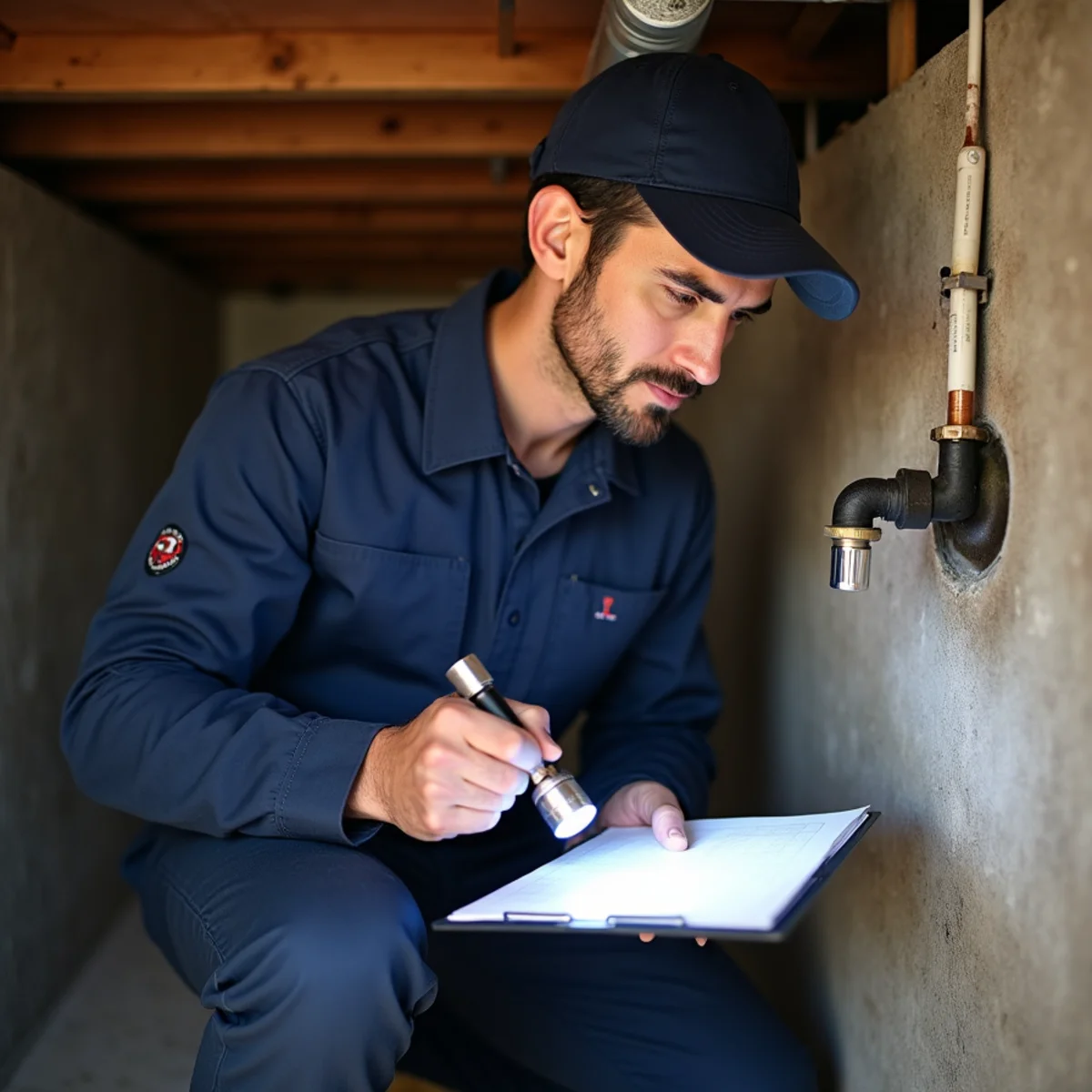
Buying a home is a large decision, and the plumbing is one system that can carry hidden costs if problems go unnoticed. Much of it lives out of sight, behind walls, under floors, and underground, so a beautiful home can still hide a slab leak, an aging sewer line, or a water heater near the end of its life.
A focused plumbing review before you close can help you understand what you are taking on, plan and budget for repairs, and negotiate from an informed position rather than discovering surprises a month after moving in.
Homes in El Dorado Hills range from older established properties to newer custom builds, and each may bring its own plumbing considerations. The local notes here are possibilities to ask about, not assumptions about any specific home. This checklist covers the supply system, drains and sewer, the water heater, fixtures, and local red flags, plus how to make sense of what you find.
Why a plumbing look matters before buying
Plumbing issues are often out of sight, which means a home that shows beautifully can still hide expensive problems. Understanding the plumbing before you buy helps you plan, budget, and negotiate with clear information rather than hopeful assumptions.
Some plumbing repairs are modest, while others, such as a sewer line replacement or a whole-house repipe, can be significant. Knowing which category a home falls into before closing is far better than discovering it after the keys change hands.
A focused review is not about finding a reason to walk away. It is about buying with clear eyes and no unwelcome surprises soon after move-in, and about having the information you need if repairs become part of the negotiation.
What a general home inspection may miss
A standard home inspection is broad and valuable, but it is not a specialized plumbing evaluation. General inspectors typically do not run cameras down sewer lines or perform in-depth leak detection, and their scope covers the whole house rather than the plumbing in detail.
That is not a criticism of general inspections, which serve an important purpose. It simply means certain plumbing questions may fall outside their usual scope, particularly anything underground or hidden behind walls and floors.
For older homes, homes with mature trees near the sewer path, or properties where something seems off, a dedicated pre-purchase plumbing inspection may go deeper than a general walkthrough. A professional can advise on whether that added step is worthwhile for the specific home you are considering.
Supply system checklist
The water supply side covers how clean water reaches the fixtures, and it is where pressure and pipe condition come into play. A few things are worth noting during a walkthrough, even before any professional gets involved.
Run a couple of fixtures at once, such as a shower and a sink, to get a feel for how the system holds up under normal use. A noticeable drop when a second fixture opens can be worth asking about.
- Water pressure at several fixtures; very high pressure can stress the system over time
- Pipe materials you can see, and their apparent age and condition
- Signs of past or present leaks, such as stains, corrosion, or patch repairs
- Water clarity and any discoloration when you first run a tap
- Presence of a pressure regulator or any water treatment equipment
- Where the main water line enters and whether the shutoff valve turns freely
Drains and sewer checklist
The drain side matters just as much, and problems here can be costly to fix after purchase, particularly with the main sewer line running underground.
Watch how fixtures drain during your visit, and pay attention to any signs that suggest the trouble is shared across the home rather than isolated to one sink.
- How quickly sinks, tubs, and showers drain
- Any gurgling from toilets or drains when water runs elsewhere
- Odors that may hint at a venting or sewer issue
- The age of the home and sewer line, and any mature trees near its path
- Whether a sewer camera inspection has been done, or would be advisable for an older line
Water heater checklist
The water heater is a major component, so note its type, apparent age, and condition. Many units have a label or serial number that indicates the manufacture date, which gives a sense of how much service life may remain. Look for corrosion, moisture, or rust around the base, and ask when it was last serviced or replaced.
In an area where water may be harder, sediment buildup can affect an older unit, sometimes showing up as rumbling sounds or reduced hot-water capacity. It is also worth noting whether the unit looks properly installed, with a working relief valve, a clear discharge line, and no obvious signs of a rushed job.
If the heater is aging or shows warning signs, factor a possible replacement into your planning and ask a professional to assess it. A tired water heater is a common and manageable finding, but it is far better to know about it before you own the home.
Fixtures and outdoor checklist
Smaller items add up, and outdoor plumbing is easy to overlook during a home tour, yet a leaking hose bib or a running toilet is worth noting.
- Faucets and shutoff valves that turn smoothly and do not drip
- Toilets that flush cleanly, do not run continuously, and sit firmly with no soft spot at the base
- Visible under-sink connections for leaks or water damage
- Outdoor faucets, hose bibs, and any irrigation for leaks or damage
- Soggy spots in the yard that may signal an outdoor line leak
Local red flags to ask about
A few questions tuned to the area may surface issues a quick tour would not. These are worth raising because they connect to the local factors that can affect homes here, and the answers can guide whether a deeper inspection is warranted.
Sellers may not always have complete records, but their answers, or the absence of them, can still be informative when you weigh how much further to look.
- For slab-built homes, any history of warm floor spots, unexplained bills, or slab-leak repairs
- For hillside or custom homes, whether water pressure has ever been measured or regulated
- For homes with mature trees, any history of recurring sewer clogs or root intrusion
- For larger homes, whether hot-water supply keeps up with the number of bathrooms
- Signs of hard-water buildup on fixtures, which may point to treatment needs
Making sense of the results
Not every finding is a dealbreaker. Many plumbing items are manageable once you know about them, and understanding scope and cost helps you decide how to proceed or what to raise with the seller.
It helps to sort what you find into rough tiers, from minor items like a dripping faucet, to moderate ones like an aging water heater, to major concerns like a compromised sewer line. That framing turns a long list into a set of clear decisions rather than a wall of worry.
If your review turns up questions, or you want a deeper look before closing, reaching out to a local plumber for a pre-purchase inspection can give you a clearer picture of the home's plumbing, so you can move forward with confidence rather than uncertainty.
Need a plumber in El Dorado Hills?
Wedlisse Plumbers helps homeowners across El Dorado Hills and nearby communities. Call or request service any time.
Frequently asked questions
A general inspection is broad but may not include sewer cameras or in-depth leak detection. For older homes or those with warning signs, a dedicated plumbing inspection can go deeper.
It often is, especially for older homes or properties with mature trees near the sewer path. Seeing the line's condition can reveal problems that a visual tour would miss.
Slab leaks, damaged or root-intruded sewer lines, and failing water heaters tend to be among the more expensive surprises, which is why they are worth checking beforehand.
Ask its age, type, and service history, and look for corrosion or moisture. In harder-water areas, an aging unit with heavy sediment may be closer to replacement than its age alone suggests.
Visible pipe materials, the water heater's label date, and the home's build year all offer clues. A professional can confirm materials and condition, since some pipe types are hidden behind walls.
Often yes. Documented issues such as an aging water heater or a compromised sewer line can become part of price or repair discussions, which is one reason a clear inspection is useful before closing.
Related articles
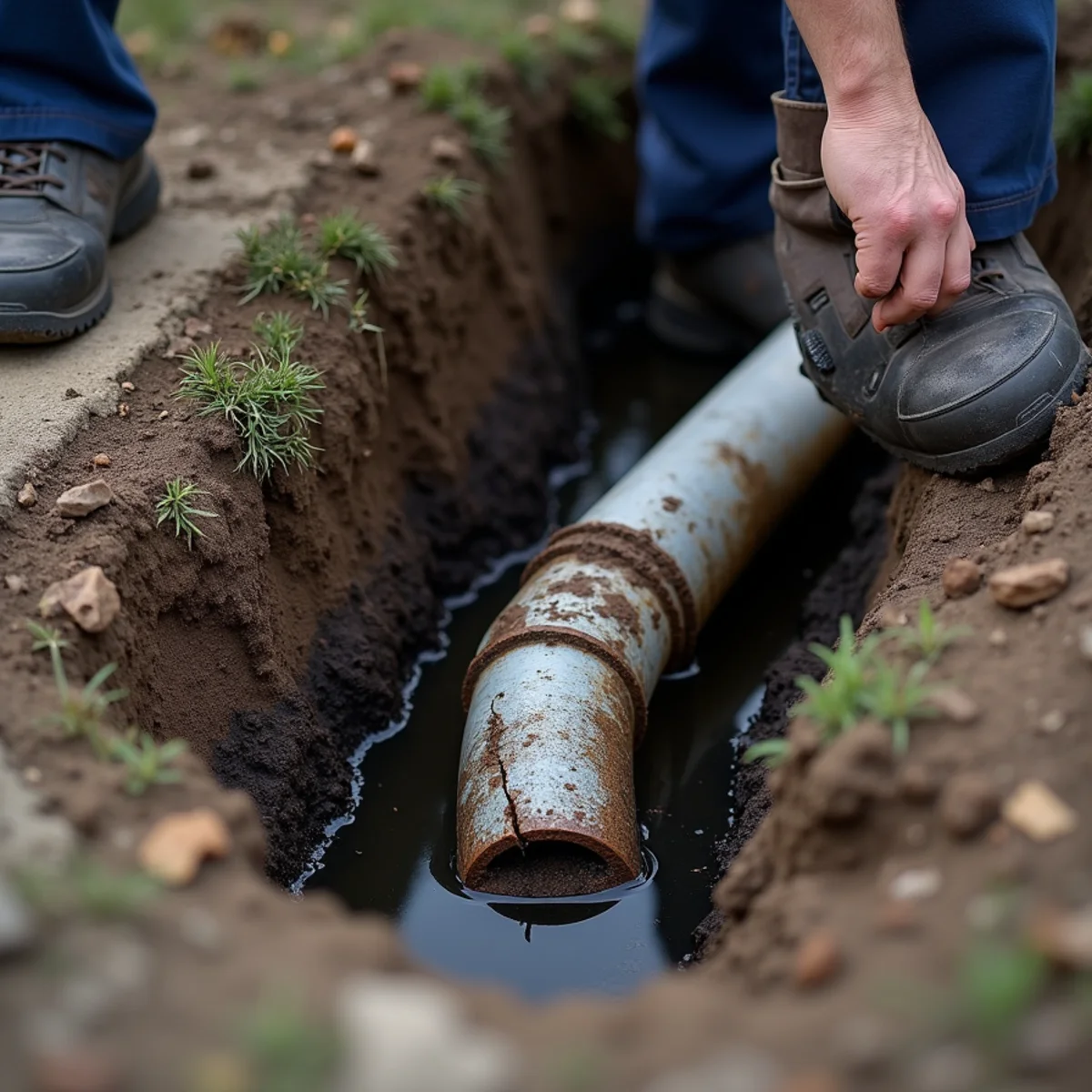
Warning Signs of Sewer Line Damage
Sewer line trouble often shows up as small clues before it becomes a backup. Here are the warning signs worth acting on early, and what they may mean.
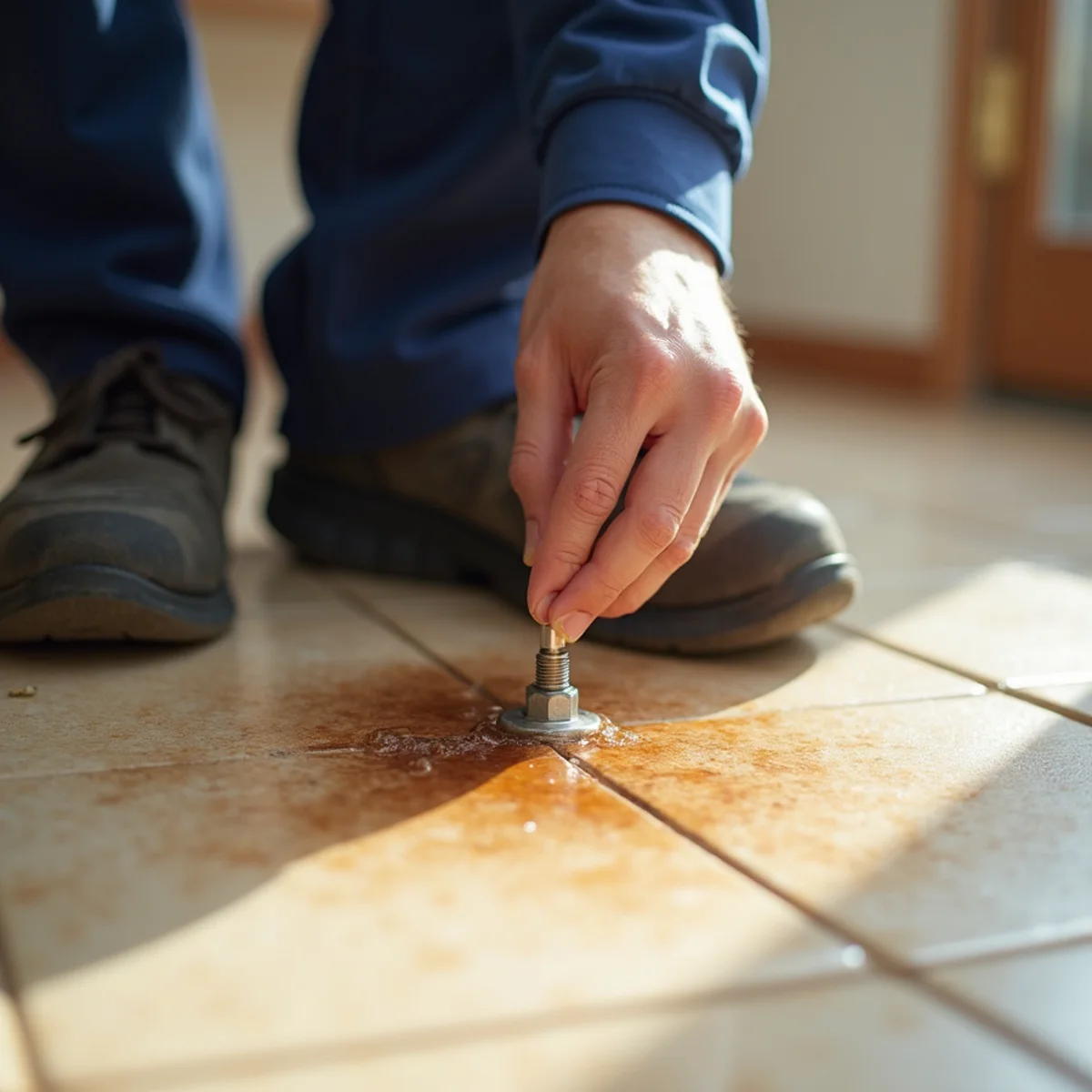
Slab Leak Warning Signs Every Homeowner Should Know
A leaking pipe beneath your foundation can hide for months. Learn the early slab leak warning signs, a simple meter test, and how a pro confirms one.
Seven Signs You May Have a Hidden Water Leak
A hidden leak can quietly raise your bill and damage your home for weeks. Here are seven signs worth watching for, and how to check if water is escaping unseen.