Drain and Sewer Warning Signs in El Dorado Hills
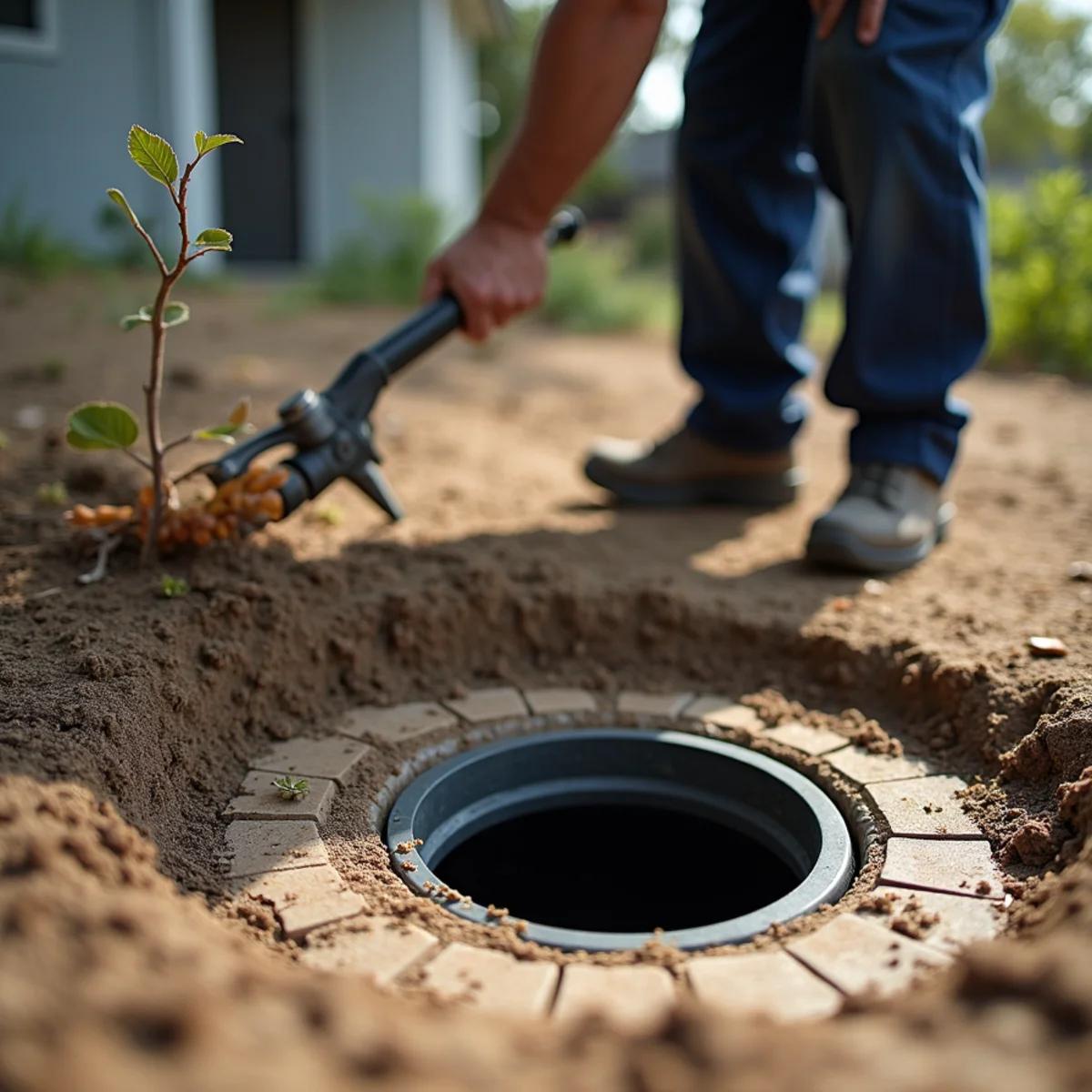
Drain and sewer problems rarely announce themselves all at once. They usually start small, with a drain that empties a little slower or a toilet that gurgles now and then, and grow from there until a full backup finally forces the issue.
Some local factors, such as mature trees and seasonal soil movement, may play a role in how these issues develop in El Dorado Hills. The notes here are possibilities that may apply to your property rather than certainties about any specific home.
This guide covers the early warning signs worth watching, the yard clues that point to a line problem, the local conditions that may contribute, and when it makes sense to have a professional look inside the line with a camera before problems get worse.
Local factors that may play a role
Established neighborhoods in the area often have mature landscaping, and larger trees mean larger root systems that seek out moisture. A sewer line carries warm water and nutrients, which is exactly what roots grow toward, so a line running near big trees can be a target over the years.
The age of a home matters too. Older properties may have sewer lines made from materials that become more vulnerable to root intrusion and joint separation as the decades pass, while newer lines tend to be more resistant but are not immune.
The region's dry-summer and wet-winter cycles may also contribute to soil movement over time. None of these factors ensures a problem will occur, but together they are reasons the signs below are worth taking seriously, especially in an older home with large trees nearby.
Early warning signs to watch
A single slow drain is often a local clog, but several of these signs together may point to something further down the line. Learning to tell the two apart can save you from treating a main-line issue as if it were a simple sink clog.
As with many plumbing issues, the pattern is the clue. One symptom on its own is usually minor, but a cluster of them, or symptoms that keep returning after clearing, deserves a closer look.
- Multiple drains running slowly at the same time
- Gurgling sounds from toilets or drains when water is used elsewhere
- A toilet that bubbles or drops in level for no clear reason
- Recurring clogs that return soon after being cleared
- Unpleasant sewer odors indoors or near the yard
- Water backing up in a tub or shower when a toilet is flushed
Yard signs of a sewer problem
Not every clue is indoors. Because a sewer line runs underground between the house and the street, a compromised line can leave hints above it that are easy to miss unless you know to look.
Patches of grass that are unusually green or lush, soggy or sunken spots that appear even in dry weather, and a persistent sewage odor outside can all suggest that a line is leaking or blocked below. A soft or settling area along the path from the house toward the street is worth particular attention, since that often traces the route of the sewer line.
When more than one fixture backs up
A clog at a single sink usually stays at that sink. When several fixtures act up together, or when using one fixture affects another, the issue may sit deeper in the main drain or sewer line that serves the whole home.
A classic example is water rising in a tub or shower when a toilet is flushed, or a toilet bubbling when the washing machine drains. Because the lowest fixtures show the backup first, a problem far downstream often reveals itself there before anywhere else.
This pattern is worth attention because a partial main-line blockage can progress to a full backup. Reducing water use and having the line checked can help you avoid a messier situation before waste has anywhere to go but back into the home.
Tree roots and older lines
Tree roots naturally grow toward moisture, and a sewer line offers exactly that. In some homes, roots may find their way into a line through small gaps or aging joints, then expand and catch passing debris until flow slows or stops.
Homes with mature trees and older pipe materials may be more prone to this. Signs can include recurring clogs and slow drains that keep coming back despite clearing, since clearing the roots temporarily does not stop them from growing back into the same spot.
A camera inspection can confirm whether roots are involved and show how far the intrusion extends. That picture helps a plumber recommend the right response, which might range from clearing and monitoring to hydro jetting or a more lasting repair of the affected section.
Soil movement and settling
Seasonal wet and dry cycles may cause soil around a home to expand and contract, and over years that movement can shift or stress underground lines. In some cases it may lead to sagging sections, misaligned joints, or slow spots where waste collects instead of flowing freely.
A sag in the line, sometimes called a belly, is a good example. Because waste settles in the low spot rather than draining through, clogs can form there again and again even after the line is cleared, which is a frustrating pattern to live with.
These changes happen gradually and out of sight, so the symptoms you notice indoors, like slow or gurgling drains, are often the first clue. A professional can determine whether line movement is a factor, typically by inspecting the line with a camera to see its actual slope and condition.
When a camera inspection may help
For recurring problems, guessing at the cause can lead to repeated temporary fixes. A sewer camera inspection sends a small camera down the line so the actual condition can be seen, whether that is roots, a blockage, a sag, or a damaged section.
Seeing the problem directly changes the conversation. Instead of clearing the same clog every few months, you and the plumber can see exactly what is happening and choose a response that fits the actual condition of the line.
This can be especially useful when clogs keep returning, when buying an older home, or when the symptoms suggest a main-line issue rather than a simple clog. It is also a reasonable step before investing in any larger repair, so the work targets the real problem rather than a guess.
What to do and when to call
If you see early signs, avoiding harsh chemical drain cleaners and easing off heavy water use can prevent a bad situation from getting worse. Chemical cleaners rarely resolve a main-line issue and can damage pipes, so mechanical clearing or a professional is the safer route.
Persistent or whole-house symptoms are a sign to bring in help rather than clearing the same clog again. If drains keep backing up or you suspect a sewer-line issue, reaching out to a local plumber for an inspection can identify the real cause and the right fix before a partial blockage becomes a full backup.
Need a plumber in El Dorado Hills?
Wedlisse Plumbers helps homeowners across El Dorado Hills and nearby communities. Call or request service any time.
Frequently asked questions
In homes with mature trees and older lines, roots may work into a sewer pipe and cause recurring clogs. It is not universal, but it is common enough to be worth checking with a camera inspection.
When multiple fixtures drain slowly together, the issue often lies in the shared main line rather than at a single fixture. That pattern warrants a closer look at the sewer line.
It may. Wet and dry cycles can move soil over time, which in some homes can shift or stress underground lines. A professional can determine whether that is a factor for your property.
Recurring clogs, multiple slow drains, or buying an older home are all good reasons. A camera lets a plumber see the line's condition instead of guessing at the cause.
Unusually green or soggy patches, sunken or settling ground along the line's path, and outdoor sewage odors can all suggest a leaking or blocked sewer line, and are worth investigating.
Usually not on its own. Clearing restores flow temporarily, but roots tend to grow back into the same gaps. A camera inspection helps decide whether jetting or a repair is needed for a lasting fix.
Related articles
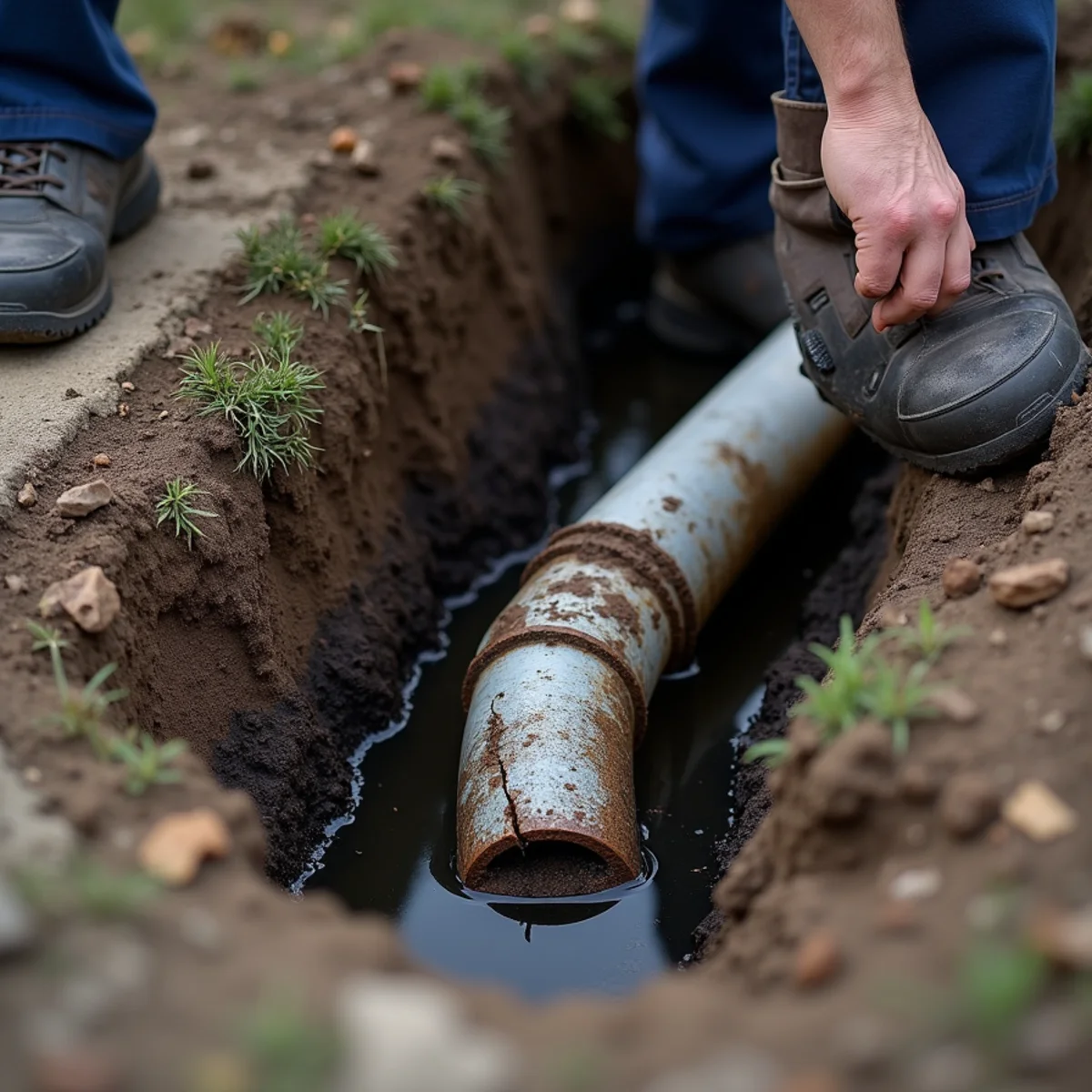
Warning Signs of Sewer Line Damage
Sewer line trouble often shows up as small clues before it becomes a backup. Here are the warning signs worth acting on early, and what they may mean.
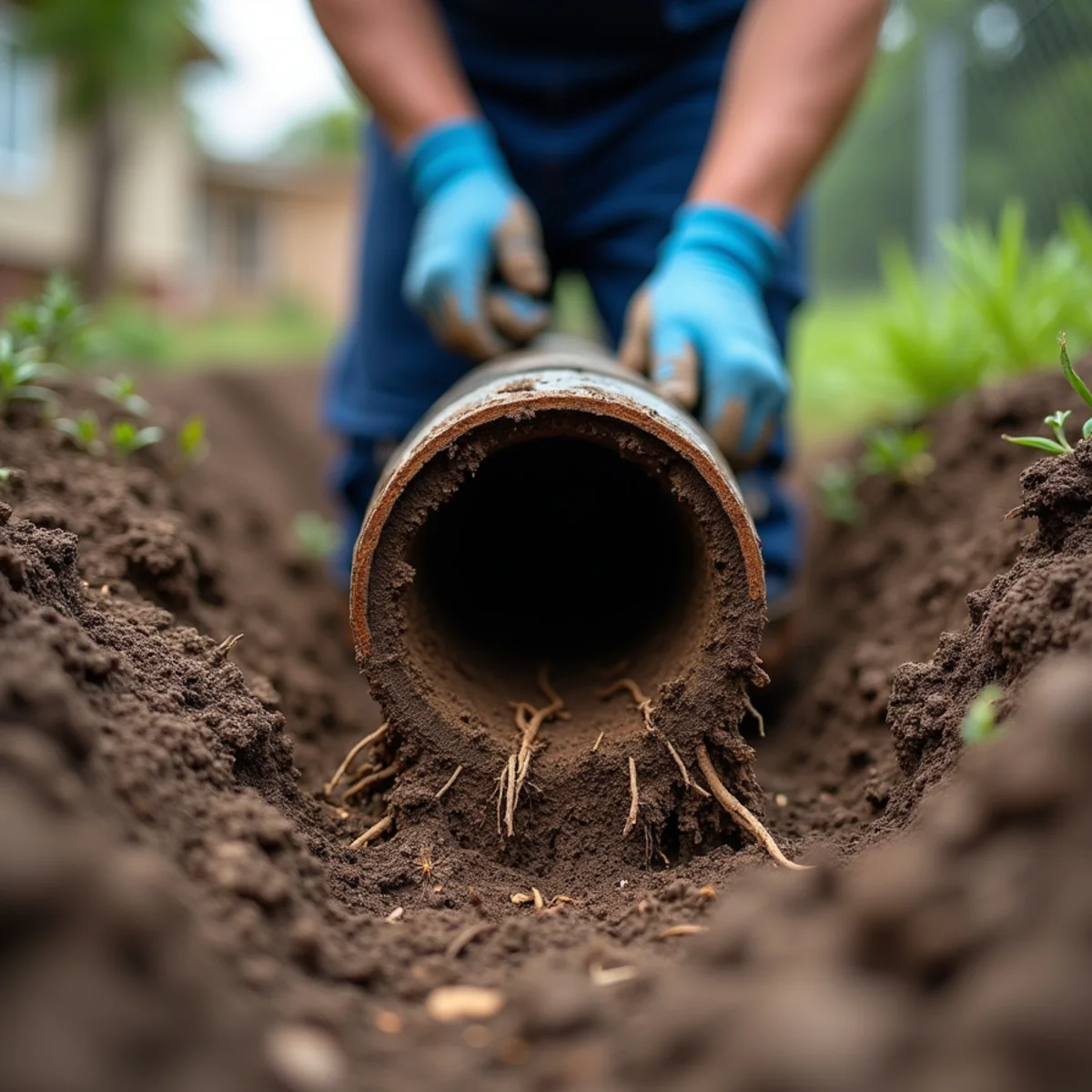
How Tree Roots Can Affect Sewer Pipes
Tree roots are drawn to the water inside sewer pipes and can slip into the smallest crack. Here is how root intrusion happens and how to manage it.
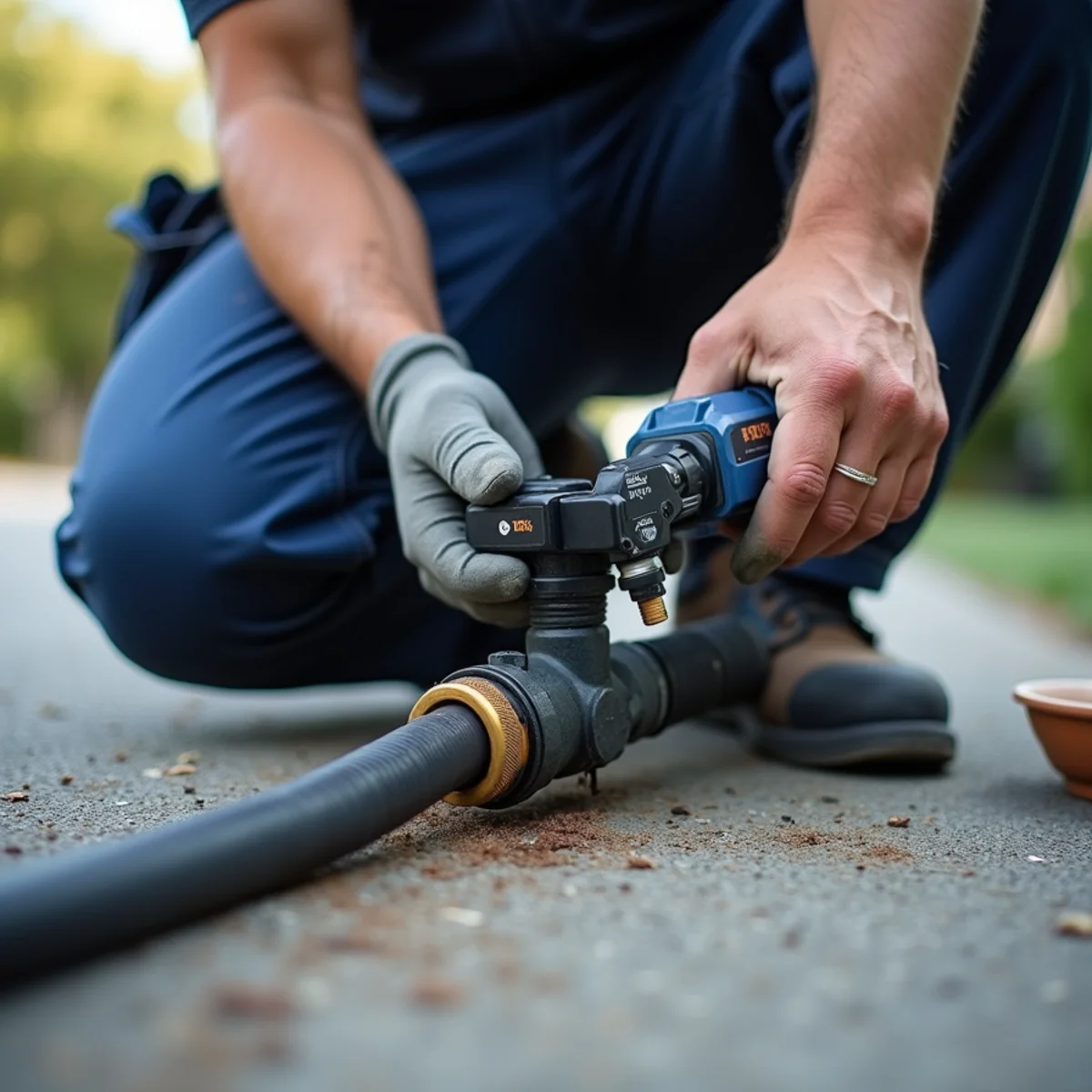
When Is a Sewer Camera Inspection Worth It?
A camera inspection lets a plumber see inside your sewer line without digging. Here is when it is genuinely worth doing and what the video can reveal.