Fixtures
Toilet Repair in El Dorado Hills, CA
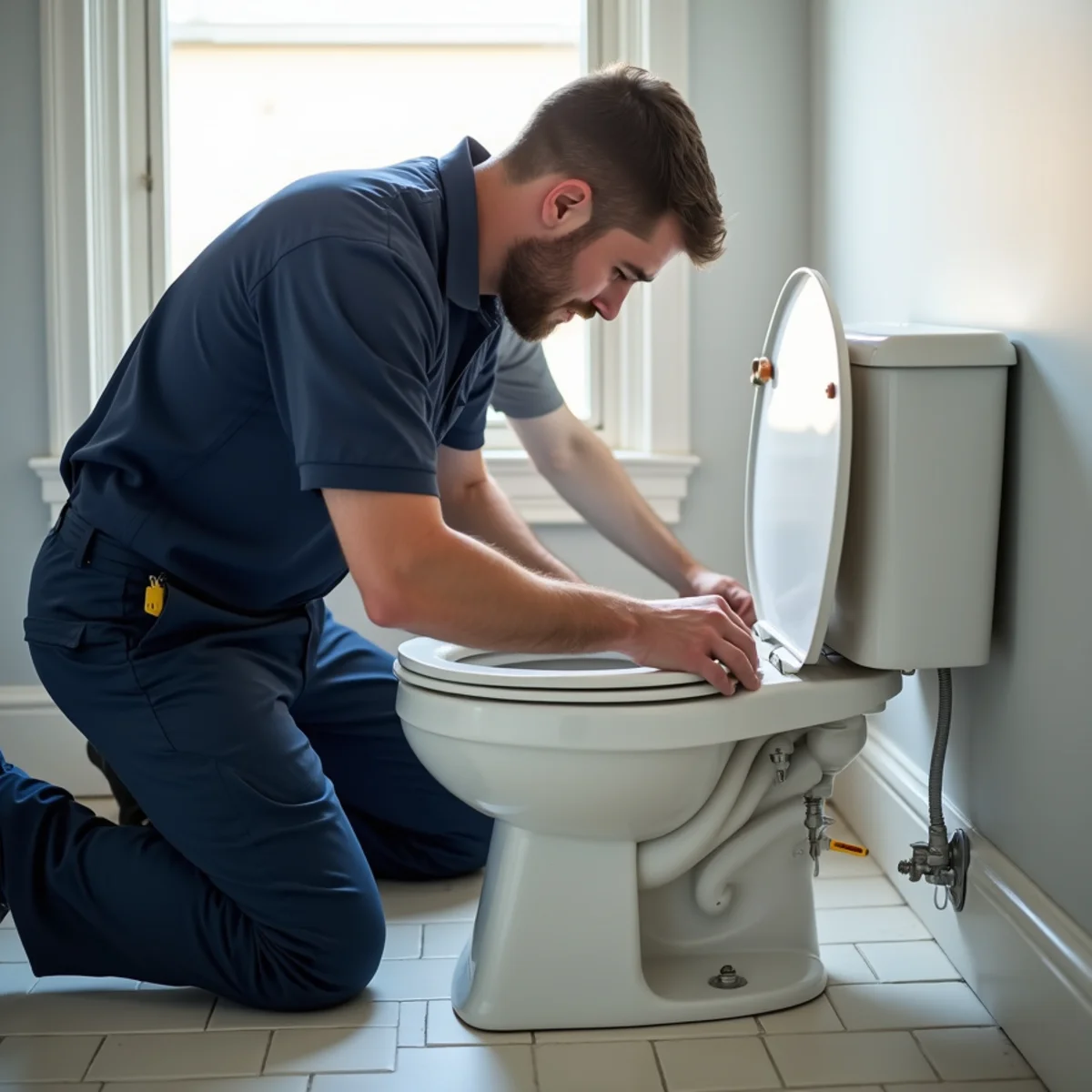
A toilet that runs, leaks or barely flushes is one of the most common plumbing headaches in a home, and it rarely fixes itself. A running toilet can quietly waste water day and night, a leak at the base can reach the subfloor, and a weak flush turns a simple fixture into a daily frustration. Wedlisse Plumbers repairs the working parts inside the tank and at the base, from flappers and fill valves to wax rings and closet bolts, so the toilet behaves the way it should.
Most El Dorado Hills bathrooms share the same handful of failure points, and the good news is that many of them are repairable without replacing the whole fixture. A worn flapper, a fill valve that will not shut off, a tired wax ring or mineral scale on the flush jets can each produce symptoms that look alarming but come down to an inexpensive part.
We start by finding what is actually failing rather than guessing, then explain in plain terms whether a targeted repair or a new fixture is the better use of your money. If the porcelain is sound and only the internals are worn, a repair is usually the smarter path. If a tank is cracked or an older model clogs again and again, we will say so.
- Residential & commercial service
- Clear service recommendations
- Respectful property protection
- Locally focused coverage
Signs You May Need Toilet Repair
A few things homeowners often notice before calling us:
- The toilet runs constantly or cycles on its own between uses
- Water pools around the base or seeps onto the floor after a flush
- A weak or partial flush that needs a second try to clear the bowl
- The tank is slow to refill or hisses long after flushing finishes
- The bowl water rises and drains slowly, hinting at a partial clog
- A rocking or loose toilet that shifts when you sit down
- A faint sewer odor near the base that returns between cleanings
- A jiggle-the-handle habit that has become the only way to stop the running
Common Causes
- A worn or warped flapper that no longer seals the flush valve
- A fill valve that will not shut off cleanly at the right water level
- A deteriorated wax ring or loose closet bolts letting water escape at the base
- Mineral buildup from hard water on internal parts and rim jets
- A cracked tank-to-bowl gasket or a hairline crack in the porcelain
- A partial blockage in the trap or branch line slowing the flush
- A float or refill tube out of adjustment after a past repair
How We Approach the Job
- 1
Describe the symptom
Tell us whether the toilet runs, leaks at the base or flushes weakly so we arrive ready to test the likely parts.
- 2
Inspect and test
We check the flapper, fill valve, supply line, bolts and base seal, and look for water where it should not be.
- 3
Recommend the fix
We explain whether a targeted repair or a replacement is the better value for the age and condition of the fixture.
- 4
Repair and confirm
We complete the work, run several flush cycles and check for leaks so the toilet is stable before we finish.
Your Options
Repairing the internal tank parts
Most running or slow-filling toilets come down to worn tank components. Replacing the flapper, fill valve or a complete flush assembly is often a quick, cost-effective repair that restores a clean flush and stops water from cycling on its own. When one part has failed on an older toilet, we often check the others in the same visit, since components that share the same age tend to fail within the same season or two.
Fixing a weak or incomplete flush
A flush that does not fully clear the bowl is not always a clog. Mineral scale can partially block the small rim jets and the siphon jet that give a flush its power, a flapper that closes too early can cut the flush short, and a low tank water level can starve the bowl. We look at each of these before assuming the toilet itself is the problem, since a scaled-up but otherwise good fixture can often be brought back to a strong flush.
Resealing and re-seating the base
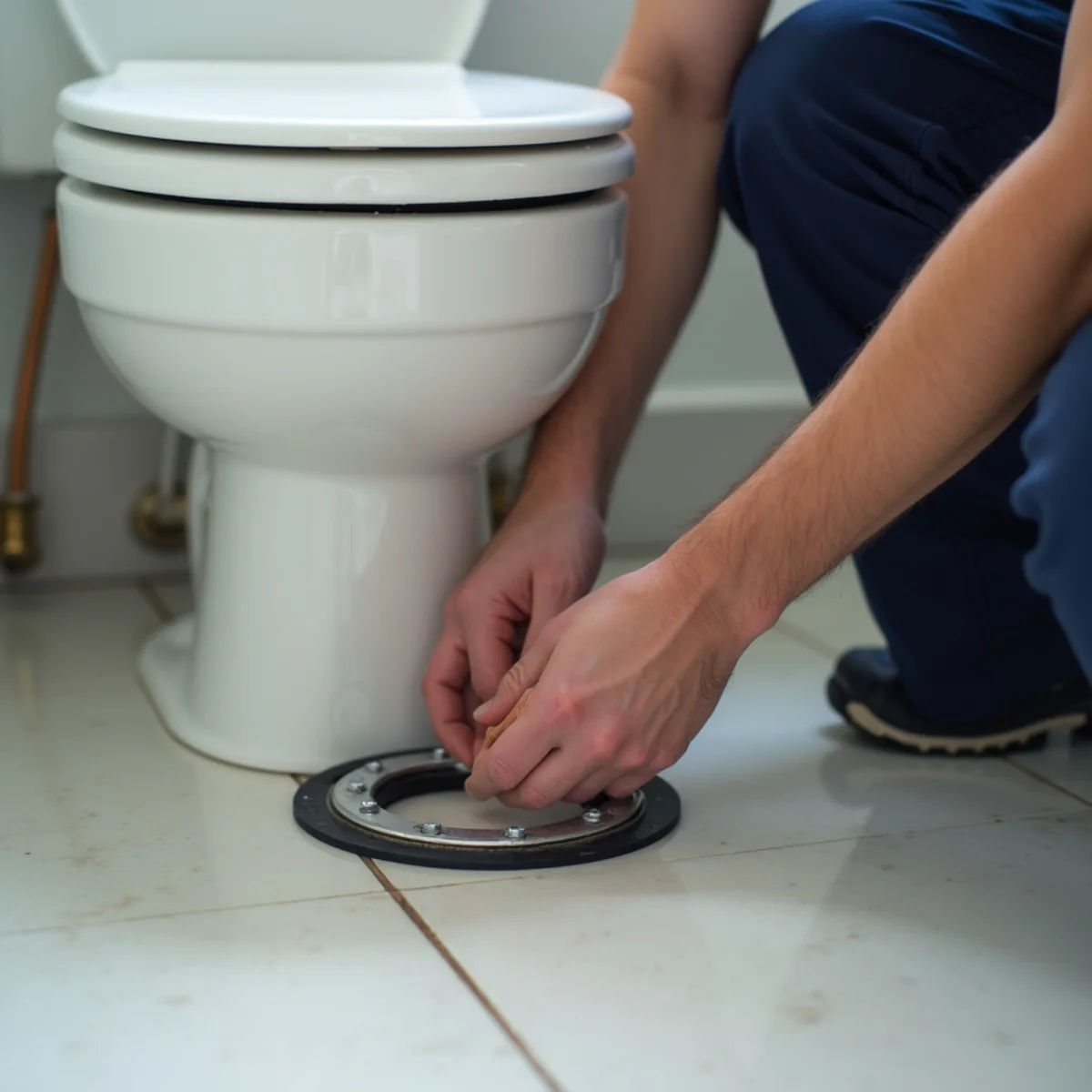
When water appears around the bottom of the toilet, the wax ring or closet bolts are common culprits, and a toilet that rocks will eventually break its seal. We can pull the fixture, replace the wax ring, inspect the closet flange, reset the toilet level and secure it so it no longer rocks or seeps. Because a base leak can quietly reach the subfloor, catching it early keeps a small repair from becoming a flooring one.
Replacing the toilet
If a tank is cracked, the porcelain is chipped near a bolt, or an older low-performance model keeps clogging, a new toilet may be the more practical choice. We can help you compare a comparable model with a higher-efficiency one, factoring in flush performance and the layout of your bathroom, and handle the removal and installation.
Not sure what's wrong? Let's take a look.
Describe what's happening and we'll help you figure out the next step.
Benefits of Timely Service
- Less wasted water and a more predictable monthly water bill
- A reliable, complete flush without a second attempt
- No more standing water or slow seepage around the base
- A stable, properly seated toilet that does not rock
- Repairs matched to the fixture rather than an automatic replacement
- Aging supply lines and shutoffs checked while the toilet is serviced
Residential
- Running and phantom-flushing toilets in primary and guest baths
- Leaks at the base, supply line or tank bolts
- Weak-flush and slow-fill complaints
- Toilet replacement and new-fixture installation
- Wax ring and angle-stop replacement in older neighborhoods
- Comfort-height and higher-efficiency upgrades during bath refreshes
Commercial
- Restroom toilets and flush valves for small businesses
- Recurring maintenance for property managers and HOAs
- Fixture upgrades during light restroom refreshes
What can affect the cost of a toilet repair
No two toilet repairs are identical, and a few factors tend to shape how involved the work is. The simplest jobs are the ones where a single tank part has failed and the shutoff behind the toilet still works. Costs tend to climb when the fixture has to be pulled, when a seized angle stop has to be replaced first, or when hard-water scale has locked up parts that would normally twist free. We explain what we find before we start so there are no surprises.
Factors that influence the work:
- Which part failed, and whether more than one is worn
- Whether the toilet has to be pulled to reach a base seal
- The condition of the angle stop and supply line behind the fixture
- The age and design of the toilet and its replacement parts
- Mineral scale that has seized fittings or blocked flush jets
- Whether a repair or a full replacement is the better long-term value
How we diagnose a running or leaking toilet
A running toilet and a leaking toilet can share symptoms, so we test rather than assume. A simple dye check in the tank shows whether the flapper is passing water into the bowl, while watching the fill valve tells us if it is shutting off at the correct level. For a suspected base leak, we look for moisture at the floor line, test whether the toilet rocks, and inspect the supply connection and angle stop, since condensation and a cracked tank can imitate a wax-ring leak. The goal is to fix the actual failure point, not to swap parts and hope.
Hard water, aging shutoffs and El Dorado Hills homes
In much of the El Dorado Hills area, water tends to carry enough minerals to leave scale on flappers, fill valves and the flush jets, which may shorten the life of tank parts over time. In established neighborhoods, the angle stop and supply line behind the toilet can also be decades old, and some hillside homes carry higher water pressure that is a little harder on fixtures. We check those connections during a repair and mention anything that looks close to needing attention, so a routine visit does not become an emergency later.
Keeping a toilet working after the repair
A few habits help a repaired toilet stay trouble-free. Drop-in tank tablets that contain bleach can degrade a flapper and other rubber parts faster than normal, so we generally suggest bowl cleaners instead. Flushing only toilet paper, and keeping wipes and paper towels out even when a label calls them flushable, prevents the slow buildup that leads to weak flushes and clogs. Glancing at the tank parts once or twice a year, and listening for a toilet that runs when no one has used it, catches small failures while they are still small.
Areas We Serve
Toilet Repair for customers in El Dorado Hills and selected nearby communities:
Toilet Repair FAQs
It depends on the fixture. If the porcelain is sound and only the internal parts are worn, a repair is usually the better value. If the tank is cracked or an older model clogs repeatedly, replacing it may save water and hassle over time.
A running toilet is most often caused by a flapper that no longer seals or a fill valve that will not shut off at the right level. Both are common, repairable parts. Left alone, a running toilet can waste a surprising amount of water.
Water at the base often points to a failed wax ring or loose closet bolts, though condensation and a cracked tank can look similar. Because a base leak can reach the subfloor, it is worth having it checked before it spreads.
Often, yes. A weak flush can come from mineral buildup in the rim jets, a worn flapper that closes too soon, or a partial clog in the trap or branch line. A professional inspection can determine which one it is.
Bleach-based tablets that sit in the tank can shorten the life of the flapper and other rubber parts, which may lead to a running toilet sooner. A cleaner used in the bowl is usually gentler on the working parts. If a tablet has already worn a flapper, replacing it is a simple repair.
A toilet that rocks can loosen or break its base seal over time, which lets water reach the floor. Sometimes it is just loose closet bolts, and sometimes the flange underneath needs attention. It is worth checking before the movement turns into a leak.
Need Toilet Repair in El Dorado Hills?
Call for current service availability, or send a request and we'll follow up to schedule an assessment.
For an active leak or urgent plumbing concern, call for current service availability.